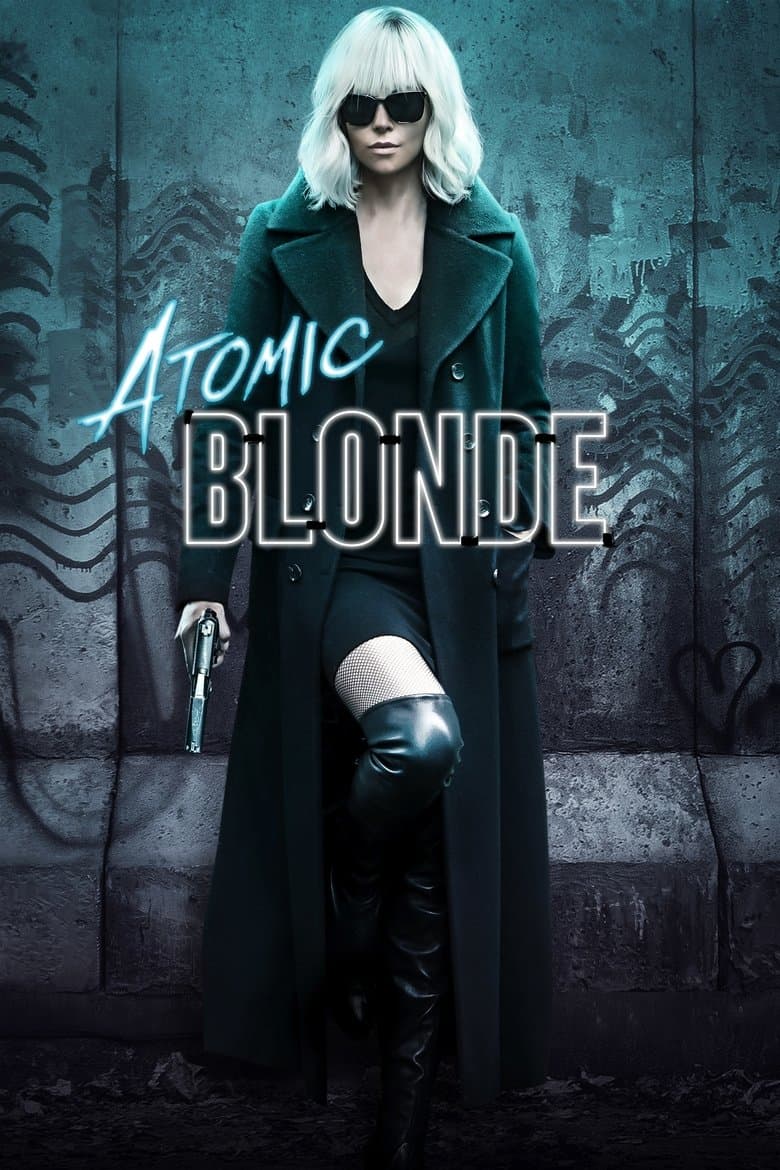
Atomic Blonde follows MI6 spy Lorraine Broughton in Berlin in 1989, just before the Berlin Wall falls. She is sent to find a stolen list of secret agents after a fellow spy is killed. The mission is packed with lies, double crosses, and long, hard fight scenes. The tone stays cool, stylish, and very violent while the plot keeps twisting around spies and betrayal.
The film shows Lorraine in a clear romantic and sexual relationship with a young French woman agent. There is a long, frank sex scene between them on screen. That relationship was not in the original graphic novel, and the writers changed the French agent from a man to a woman so Lorraine could be bisexual in the movie. This queer pairing is the main identity element viewers will notice. It matters for her personal life on the mission but does not drive the whole spy story.
Community feedback
Was our 65% Woke rating accurate?
Breakdown
These are the editorial factors and ratings behind our score for Atomic Blonde.
Woke representation / casting
The lead is already a woman in the source story, so that alone is not a forced cast swap. The clear identity signal is the bisexual lead and her open romance with Delphine, including a long sex scene. Viewers can easily see that queer pairing in a major role. It is not a full mixed-identity cast plan, but the same-sex relationship is hard to miss.
52%
Woke political dialogue
Not present in this title.
0%
Identity-driven story themes
The bisexual romance is real on screen and gives Lorraine a brief human connection in a brutal job. It is not a story about coming out, pride, or fighting for gay rights. The main engine is still spies, the list, and survival. The queer bond is secondary but clearly written and filmed.
48%
Western institutional / cultural critique
Not present in this title.
0%
Woke character or canon changes
In The Coldest City, the French agent was a man. The film turned that role into a woman on purpose. That change created the lesbian sex scene and the bisexual lead. Theron and the writing team supported it as a surprise and as queer representation, not as a small plot tweak.
76%
Anti-woke backlash and complaints
There was no large, sustained anti-woke campaign in major news. A few online voices later call the sex scene or Theron woke, and some older posts wave at feminist vibes. Those complaints exist but are weak, rare, and not the main public story of the film.
15%
Creator track record context
Most of the key crew score low and work in straight action and thrills. Theron is the big exception as star and producer. She publicly said she wanted the bisexual portrayal because that identity is under-shown in movies. That title-linked choice lifts this factor above the rest of the team’s low scores.
42%
Production
Movie · 2021
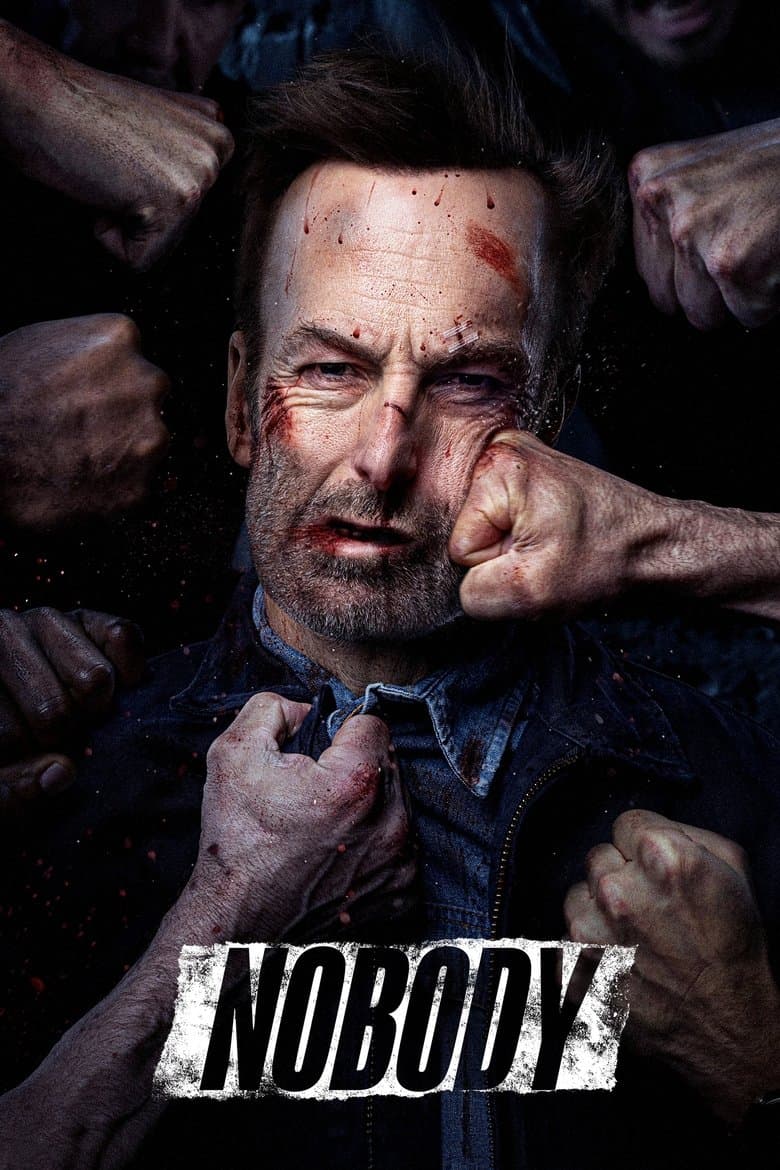
Hutch Mansell, a suburban dad, overlooked husband, nothing neighbor — a "nobody." When two thieves break into his home one night, Hutch's unknown long-simmering rage is ignited…

Movie · 2026
A grieving woman pushing her limits on a solo adventure in the Australian wild is ensnared in a twisted game with a cunning killer who thinks she's prey.

Movie · 2024
When a Delta Force special ops mission goes terribly wrong, Air Force drone pilot Reaper has 48 hours to remedy what has devolved into a wild rescue operation.
Movie · 2025
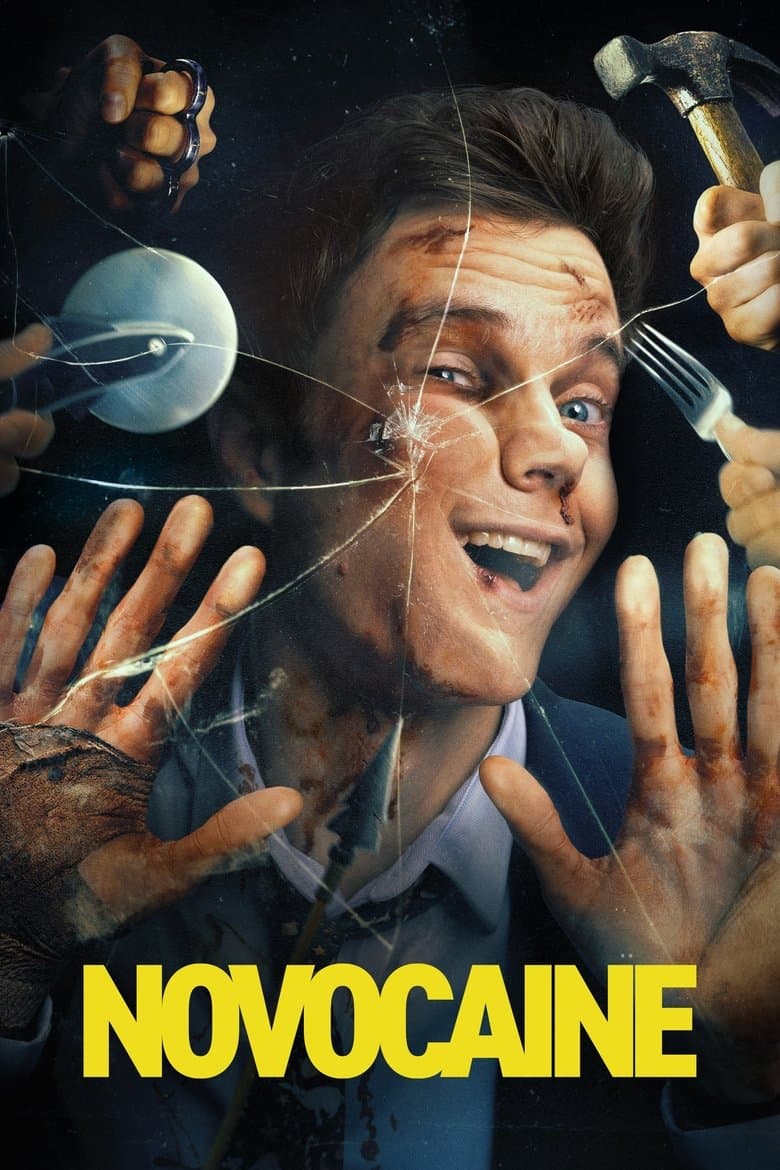
When the girl of his dreams is kidnapped, everyman Nate turns his inability to feel pain into an unexpected strength in his fight to get her back.
Movie · 2024
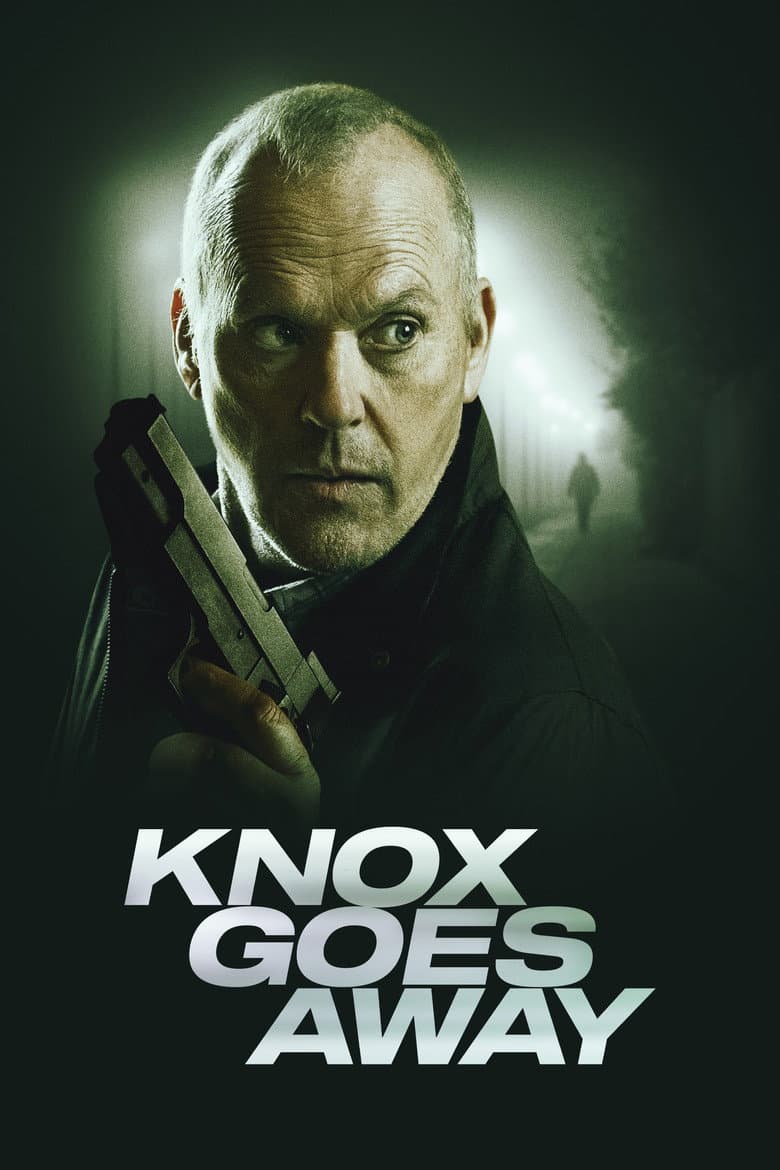
A contract killer, after being diagnosed with a fast-moving form of dementia, is presented with the opportunity to redeem himself by saving the life of his estranged adult son.
Movie · 2023
Robert McCall finds himself at home in Southern Italy but he discovers his friends are under the control of local crime bosses.

Movie · 2024
As storm season intensifies, the paths of former storm chaser Kate Carter and reckless social-media superstar Tyler Owens collide when terrifying phenomena never seen before are…

Movie · 2018
A brutal mugging leaves Grey Trace paralyzed in the hospital and his beloved wife dead. A billionaire inventor soon offers Trace a cure — an artificial intelligence implant called…
