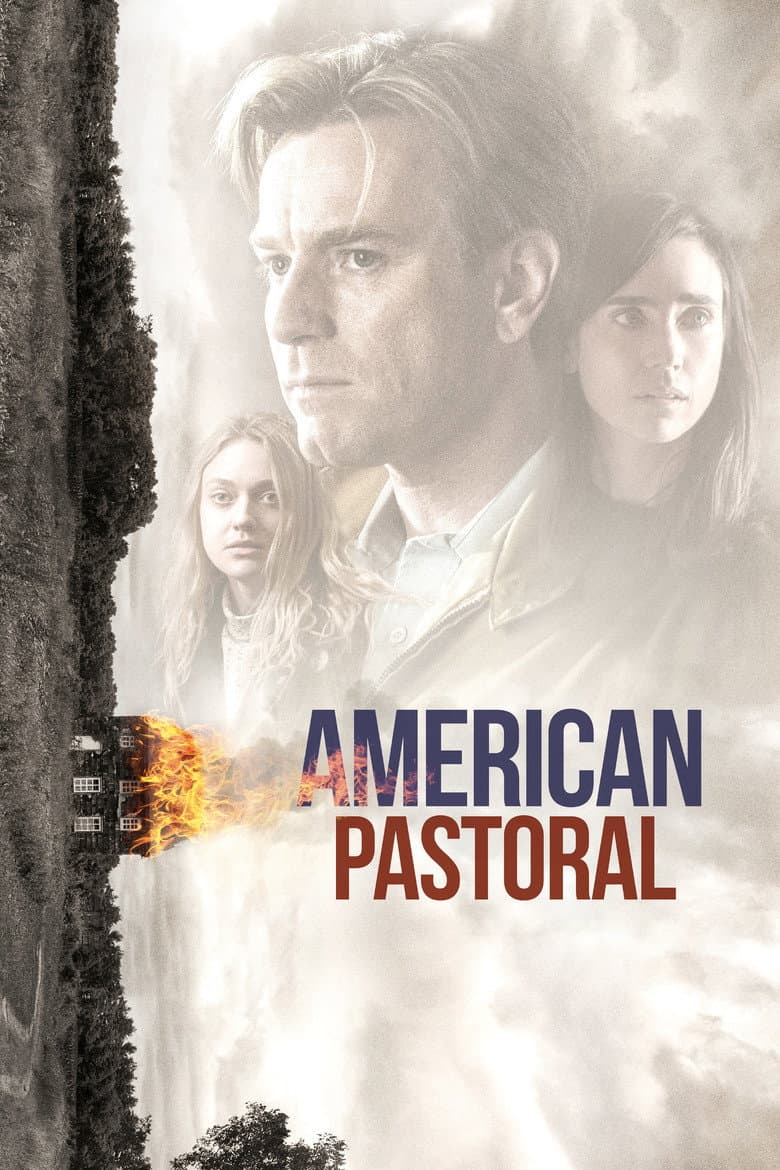
American Pastoral is a 2016 drama about a successful New Jersey businessman and former athlete whose seemingly perfect postwar family life collapses when his teenage daughter radicalizes during the 1960s, plants a bomb that kills a man, and disappears into the underground. The story, told largely from the bewildered father's perspective, traces the personal wreckage left by that era's social and political turmoil. No modern identity politics, representation emphasis, girlboss framing, or activist messaging appears; the narrative instead shows left-wing extremism as a destructive force that shatters traditional family bonds and the American Dream ideal.
Community feedback
Was our 31% Woke rating accurate?
Breakdown
These are the editorial factors and ratings behind our score for American Pastoral.
Woke representation / casting
Casting matches the 1950s–1970s New Jersey Jewish-Catholic family and factory setting with no audience-visible forced diversity, gender/race swaps, or signaling. A black actress appears in a small supporting factory role that fits the historical world.
15%
Woke political dialogue
Features 1960s anti-war protests and radical rhetoric, but these are shown leading to terrorism, murder, and family ruin from the father’s sympathetic viewpoint rather than endorsing modern activist positions.
25%
Identity-driven story themes
Touches on Jewish assimilation and generational clash with 1960s upheaval, but the core is personal tragedy and the limits of parental understanding, not contemporary identity politics.
20%
Western institutional / cultural critique
Critiques how 1960s counterculture and political extremism undermined traditional family and American ideals; does not apply modern activist lenses such as patriarchy, toxic masculinity, or systemic critiques of Western institutions.
15%
Woke character or canon changes
Not relevant; the adaptation follows Roth’s novel without ideological alterations to characters or events.
0%
Anti-woke backlash and complaints
No meaningful backlash or debate treating the film as woke or activist-driven; reception ignored politics in favor of artistic shortcomings.
5%
Creator track record context
Ewan McGregor (director and lead) has a documented progressive record of feminist and LGBTQ advocacy plus public support for women’s marches; other key figures show no such pattern. The film’s content does not advance activist messaging.
45%
Production
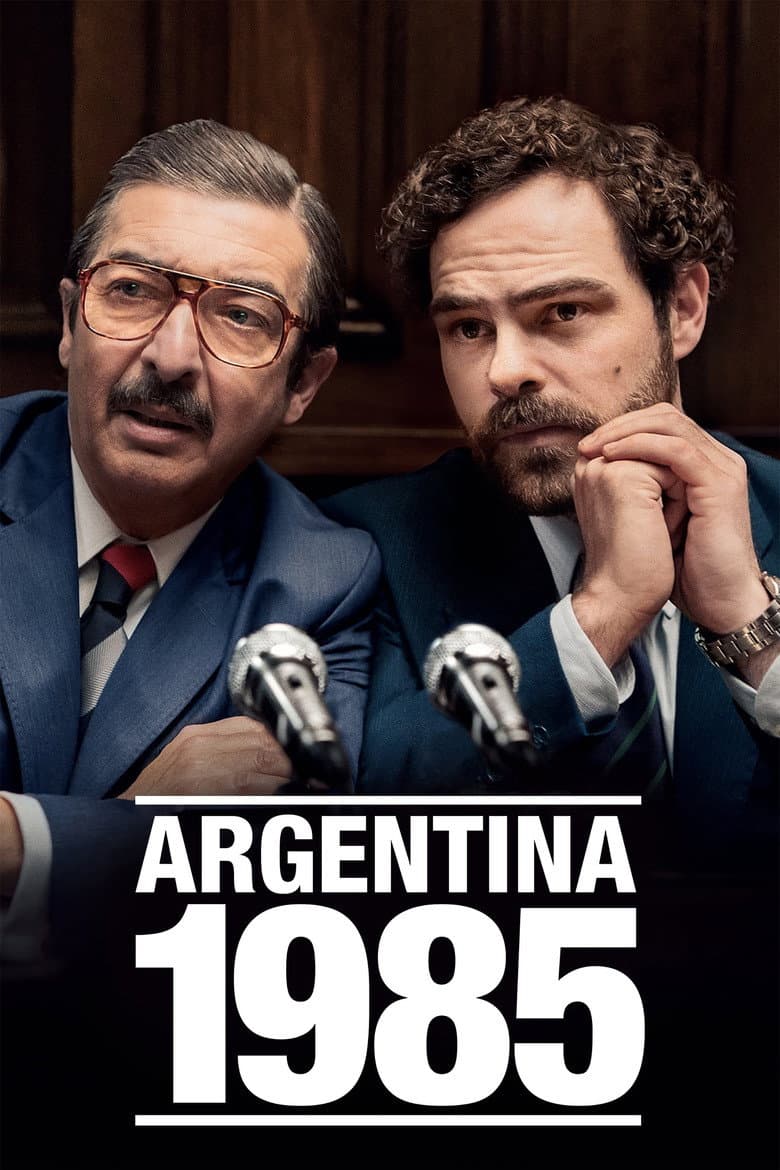
Movie · 2022
In the 1980s, a team of lawyers takes on the heads of Argentina's bloody military dictatorship in a battle against odds and a race against time.
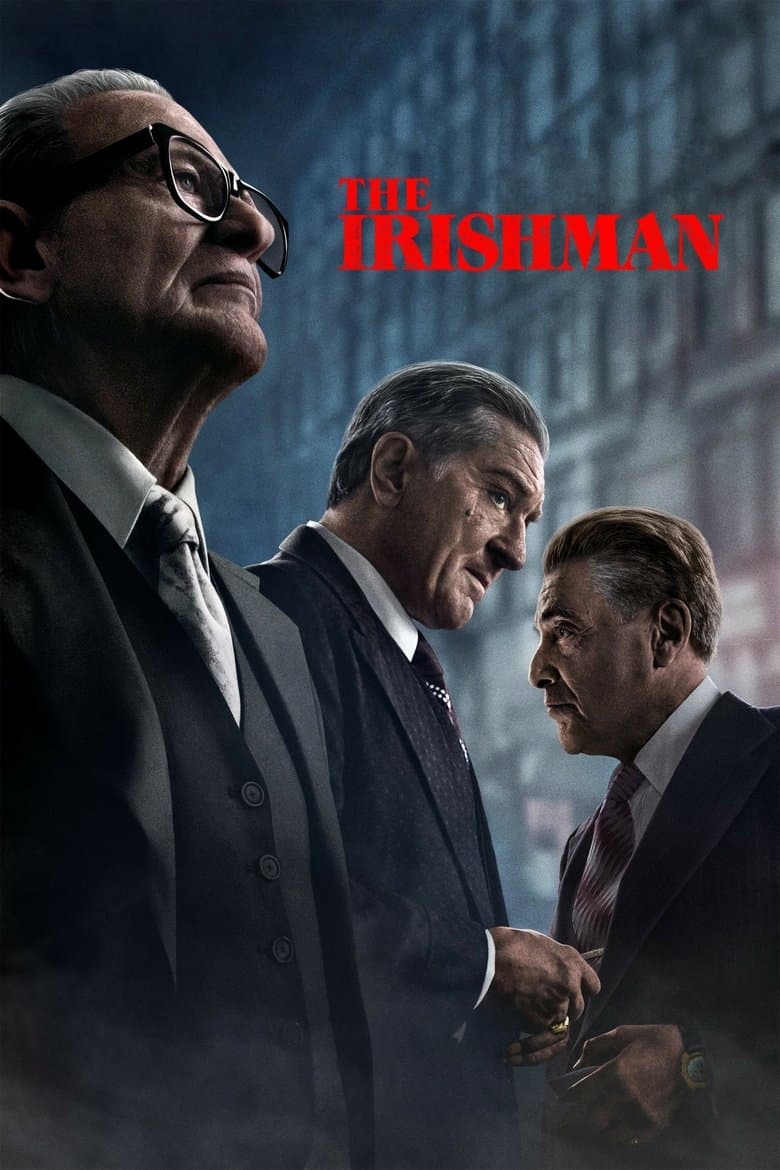
Movie · 2019
Pennsylvania, 1956. Frank Sheeran, a war veteran of Irish origin who works as a truck driver, accidentally meets mobster Russell Bufalino.
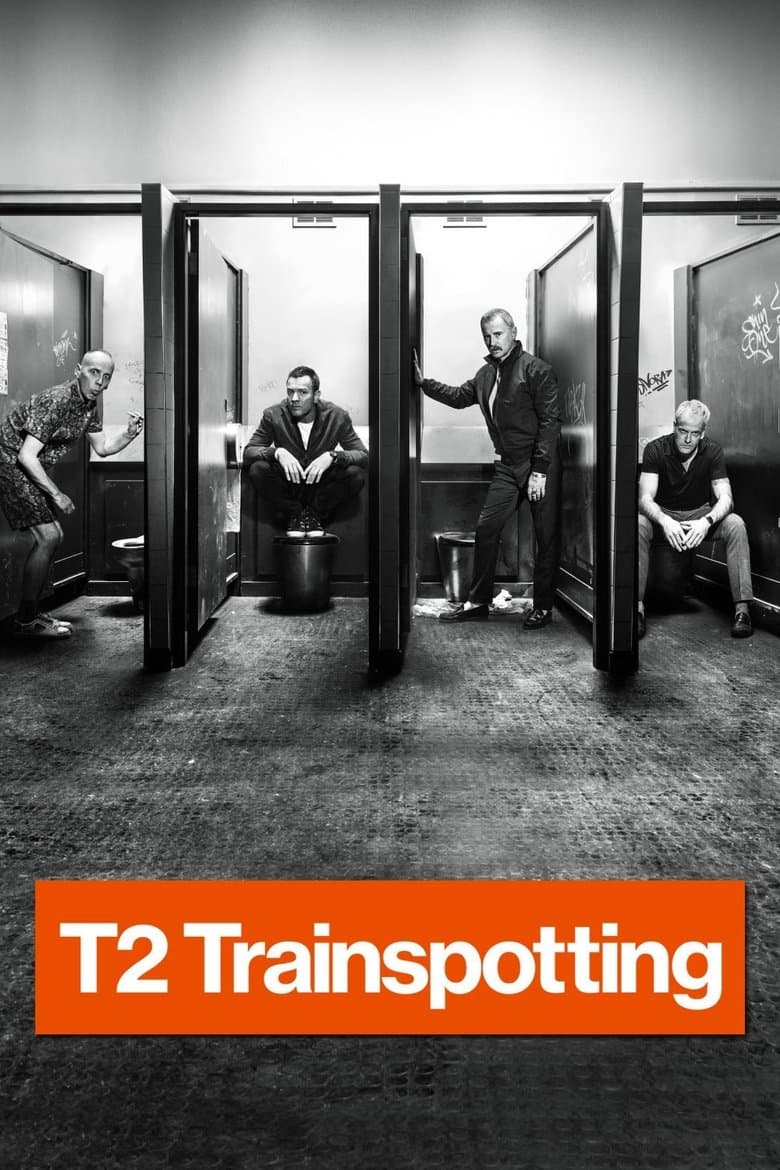
Movie · 2017
After 20 years abroad, Mark Renton returns to Scotland and reunites with his old friends Sick Boy, Spud and Begbie.

Movie · 2017
A newly-released prison gangster is forced by the leaders of his gang to orchestrate a major crime with a brutal rival gang on the streets of Southern California.

Movie · 2016
Nate Foster, a young, idealistic FBI agent, goes undercover to take down a radical white supremacy terrorist group.
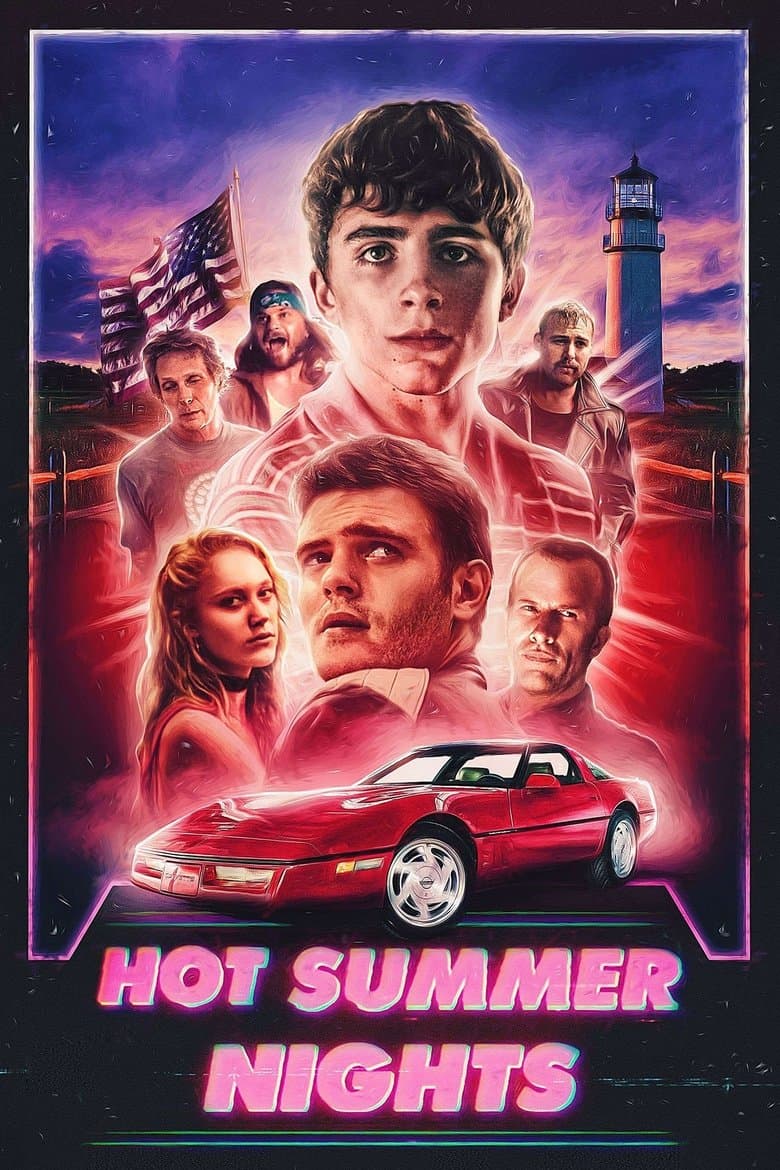
Movie · 2018
In 1991, a sheltered teenager comes of age during a wild summer on Cape Cod, getting rich from selling pot to gangsters, falling in love for the first time, partying, and…
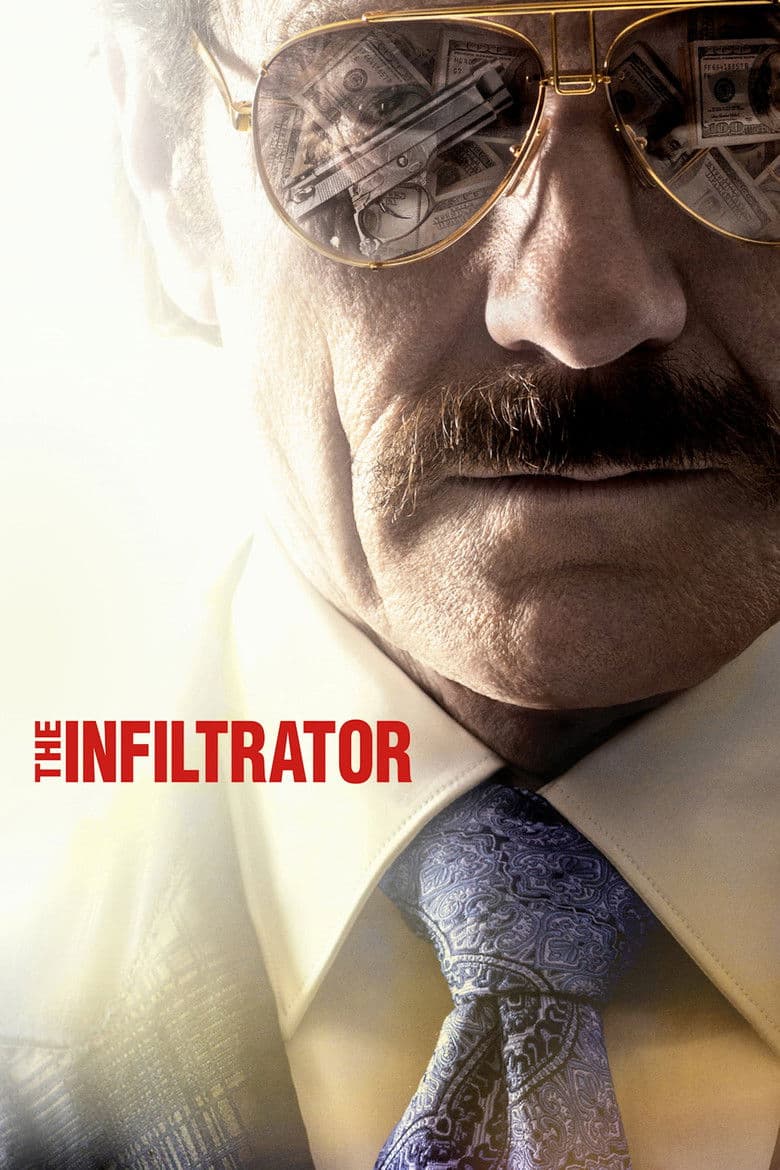
Movie · 2016
A U.S Customs official uncovers a massive money laundering scheme involving Pablo Escobar.
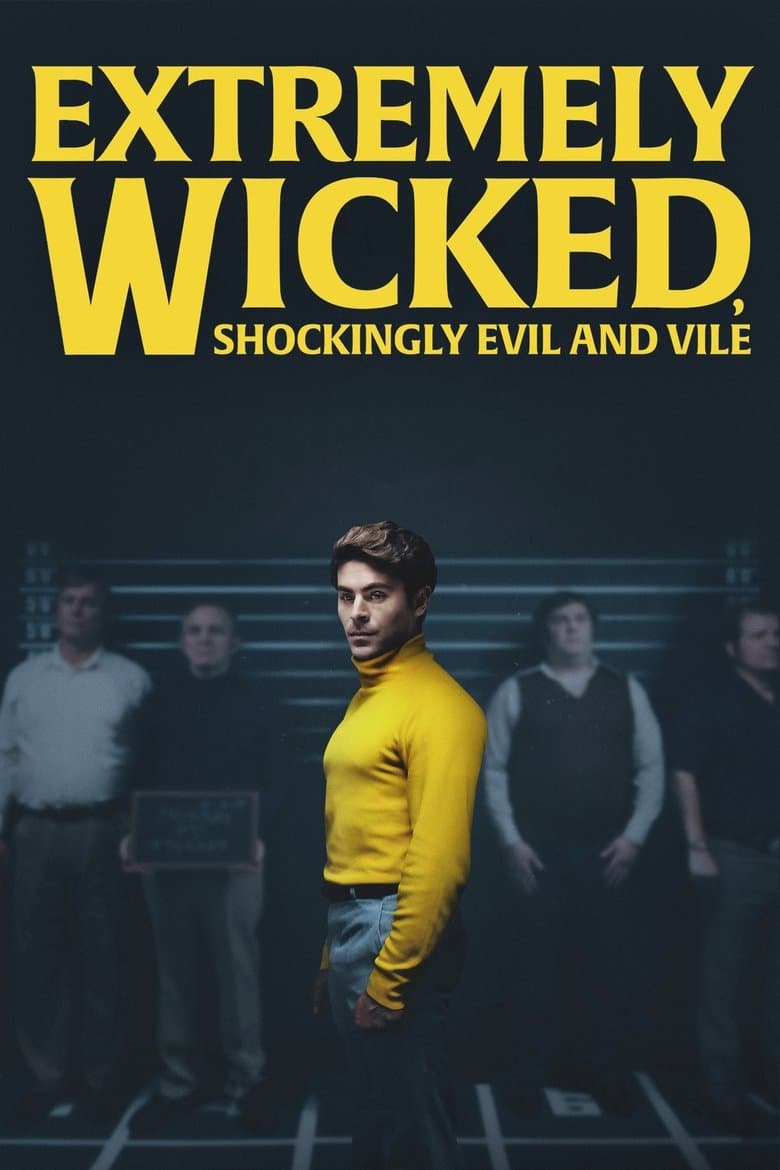
Movie · 2019
A chronicle of the crimes of Ted Bundy, from the perspective of his longtime girlfriend, Elizabeth Kloepfer, who refused to believe the truth about him for years.
