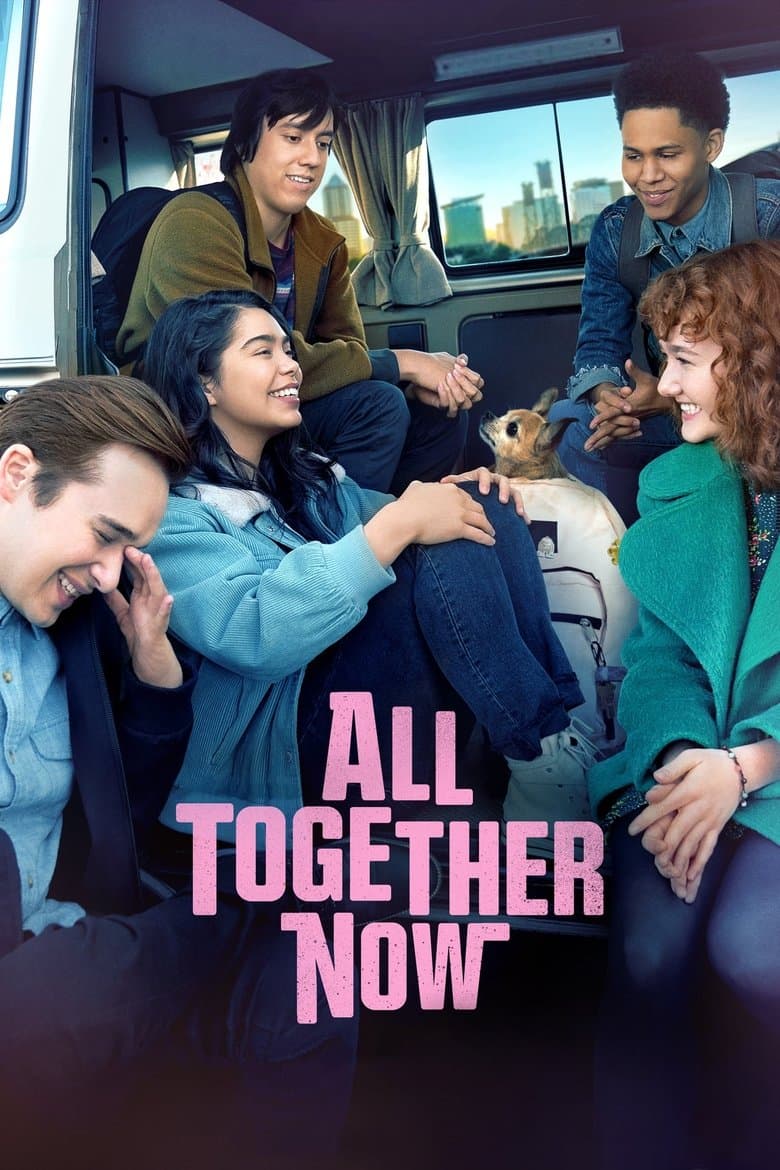
Amber Appleton is a high school senior in Portland who acts cheerful and hardworking while hiding a big secret: she and her mom are homeless and sleep on a school bus. She sings, helps friends, teaches English, and dreams of drama school. When her home life falls apart and a terrible loss hits, she must learn to stop facing everything alone and let people help her. The tone is warm, sad, and hopeful.
Most of what a normal viewer notices is a soft story about kindness, friends, and hard times—not a heavy political message. The clearest “woke-adjacent” piece is the cast: the lead and many friends are people of color, and two friends with disabilities are played by actors who actually live with those disabilities. News and interviews proudly called that out as diversity and inclusion. The plot itself is about homelessness, grief, and accepting help, not race lectures or identity politics. There was no real anti-woke backlash.
Community feedback
Was our 38% Woke rating accurate?
Breakdown
These are the editorial factors and ratings behind our score for All Together Now.
Woke representation / casting
Lead and key friends are people of color in a modern city setting. Two friends with disabilities are played by actors who share those disabilities, and promo interviews and articles treated that as meaningful inclusion. That pattern is easy to notice, but it is not a forced “quota speech” inside the plot. Fits moderate weight for identity-forward casting that the film proudly highlighted.
44%
Woke political dialogue
Talk centers on hope, friendship, hiding hardship, and learning to accept help. There are no big race, gender, or DEI speeches. Soft “help people in need” lines stay personal, not activist slogans.
14%
Identity-driven story themes
Core arc is homelessness, an alcoholic parent, grief, and chosen family, not race or queer identity as the engine. Disabled friends are present and treated as regular peers (already in the book), not as a lecture about identity struggle. Mild community-care themes, light identity-politics weight.
20%
Western institutional / cultural critique
Shows poverty, abuse, and a mom fired for living on the bus, so viewers see unfair hard luck. It does not reframe that into modern attacks on capitalism, whiteness, patriarchy, or Western faith. A priest and ESL class appear as help, not as institutions to tear down.
16%
Woke character or canon changes
Source already included disabled friends, Korean ESL students, and a diverse friend circle. Film uses authentic disability casting and a multi-ethnic lead family without a big public “they race-swapped a famous white icon” fight. Other book changes (softer tragedy, more theater-dream focus) look like normal adaptation, not hard ideological rewrites.
12%
Anti-woke backlash and complaints
No notable right-leaning or anti-woke campaign called this film propaganda, DEI bait, or “too woke.” Online culture-war heat on this title is effectively absent.
0%
Creator track record context
Key voice is Haley (~30), soft representation-first, plus mild liberal producer context. Co-writers score near zero. Overall supporting context is light-to-moderate, not a hard-activist crew.
24%
Production
Movie · 2024
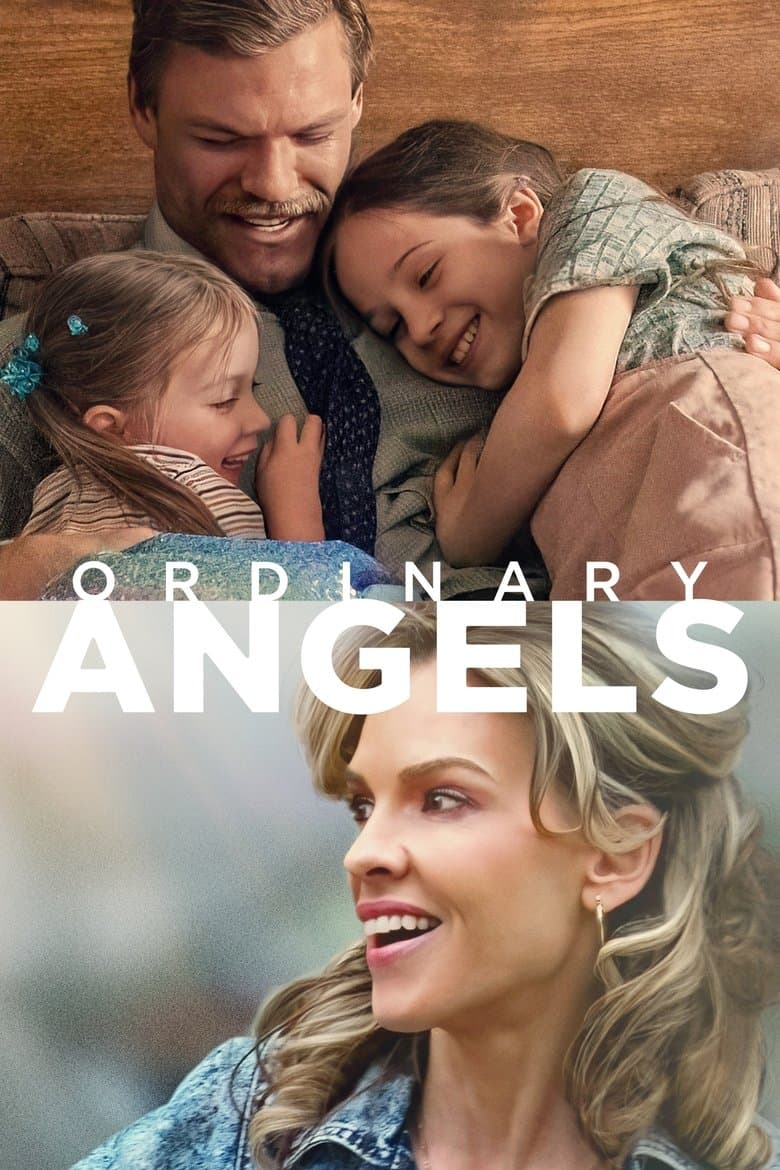
Inspired by the incredible true story of a hairdresser who single-handedly rallies an entire community to help a widowed father save the life of his critically ill young daughter.
Movie · 2023
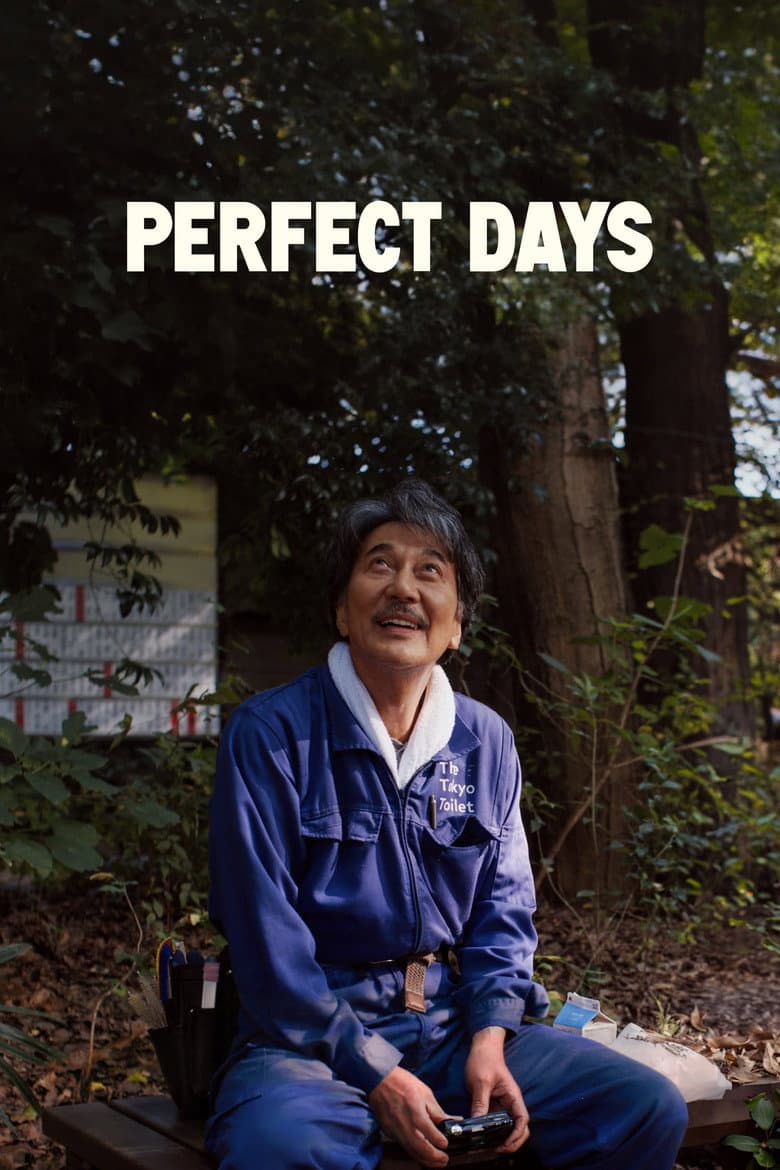
Hirayama is content with his life as a toilet cleaner in Tokyo. Outside of his structured routine, he cherishes music on cassette tapes, books, and taking photos of trees.

Movie · 2016
Based on the life story of Mahendra Singh Dhoni, and his journey to being the world cup winning captain of the Indian cricket team.
Movie · 2023
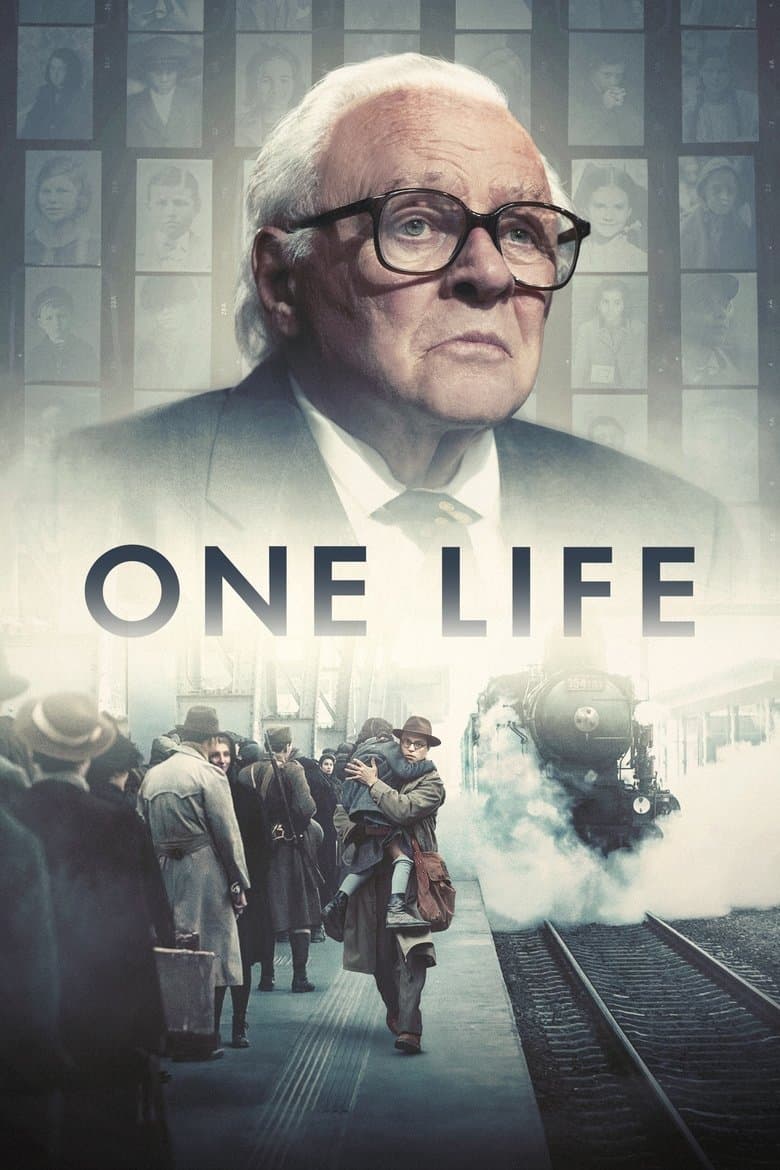
British stockbroker Nicholas Winton visits Czechoslovakia in the 1930s and forms plans to assist in the rescue of Jewish children before the onset of World War II, in an operation…

Movie · 2018
A father and daughter live a perfect but mysterious existence in Forest Park, a beautiful nature reserve near Portland, Oregon, rarely making contact with the world.
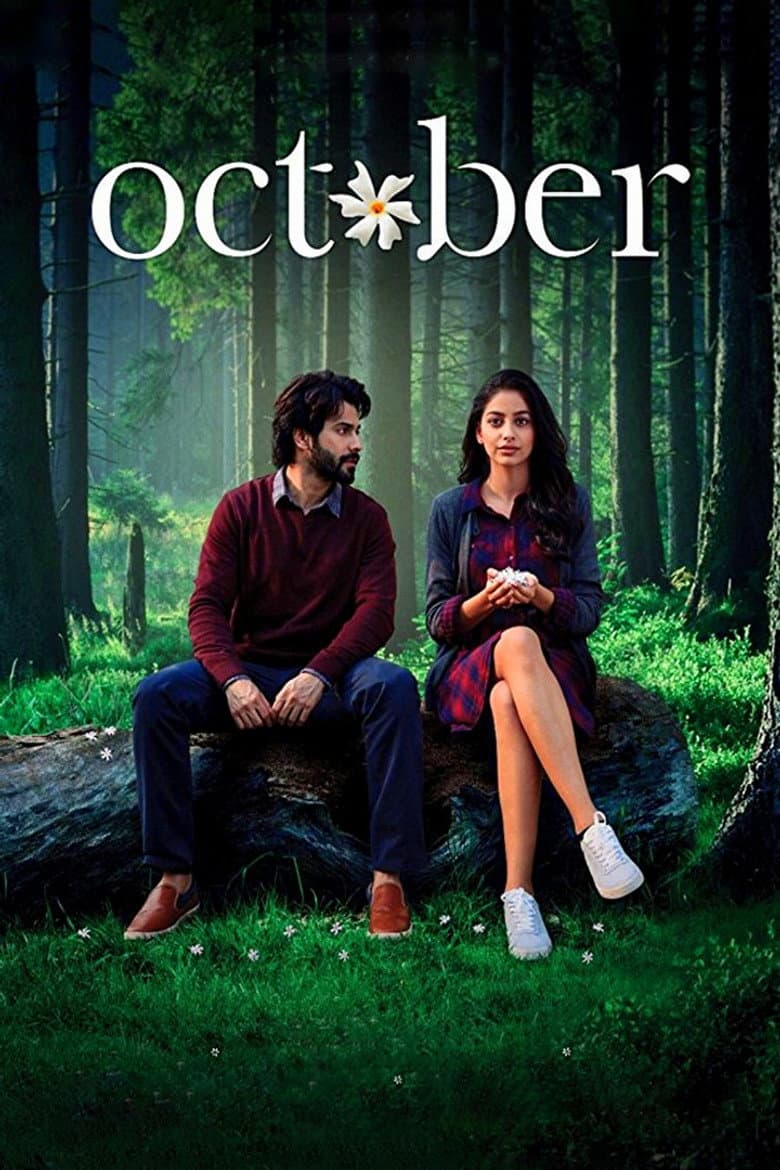
Movie · 2018
Dan, a 21-year-old carefree boy is always surrounded by a bunch of friends and fellow hotel interns who feed off each other's everyday moments, their ups and downs.

Movie · 2019
A look at the Apollo 11 mission to land on the moon led by commander Neil Armstrong and pilot Buzz Aldrin.
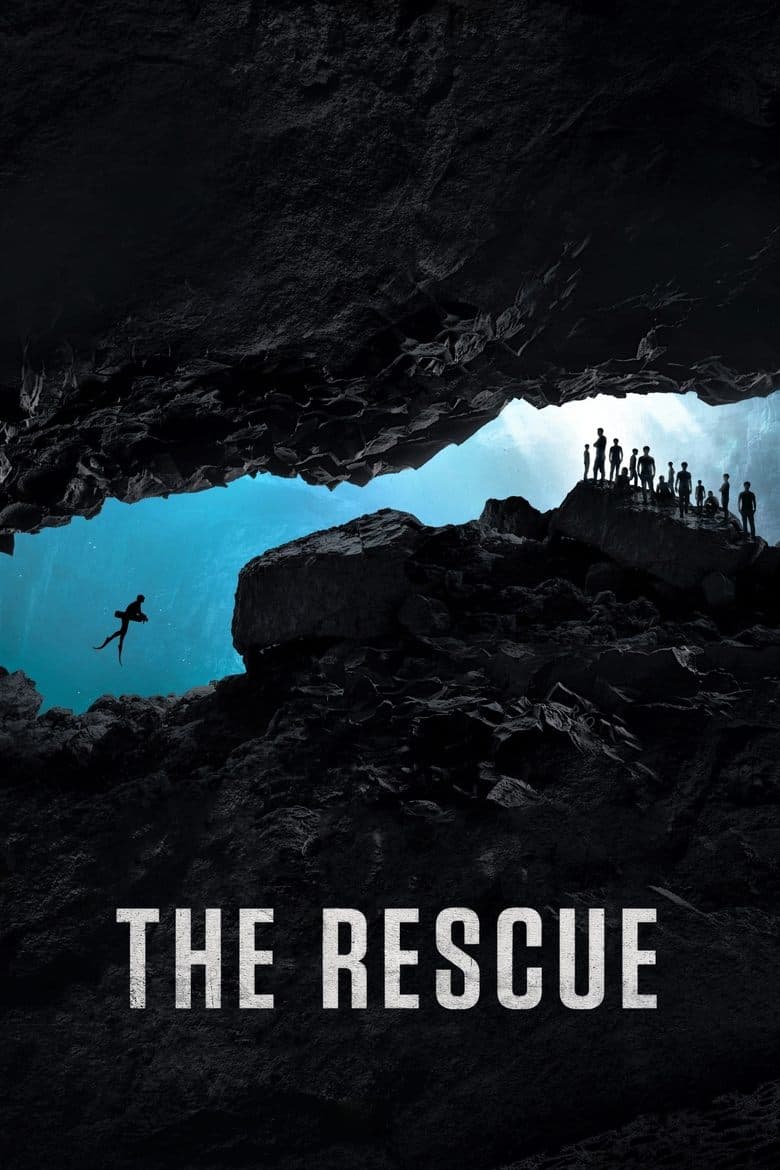
Movie · 2021
The enthralling, against-all-odds story that transfixed the world in 2018: the daring rescue of twelve boys and their coach from deep inside a flooded cave in Northern Thailand.
