Movie review
May 25, 2016 · 113 min · PG · Kids · Fantasy · Adventure · Family
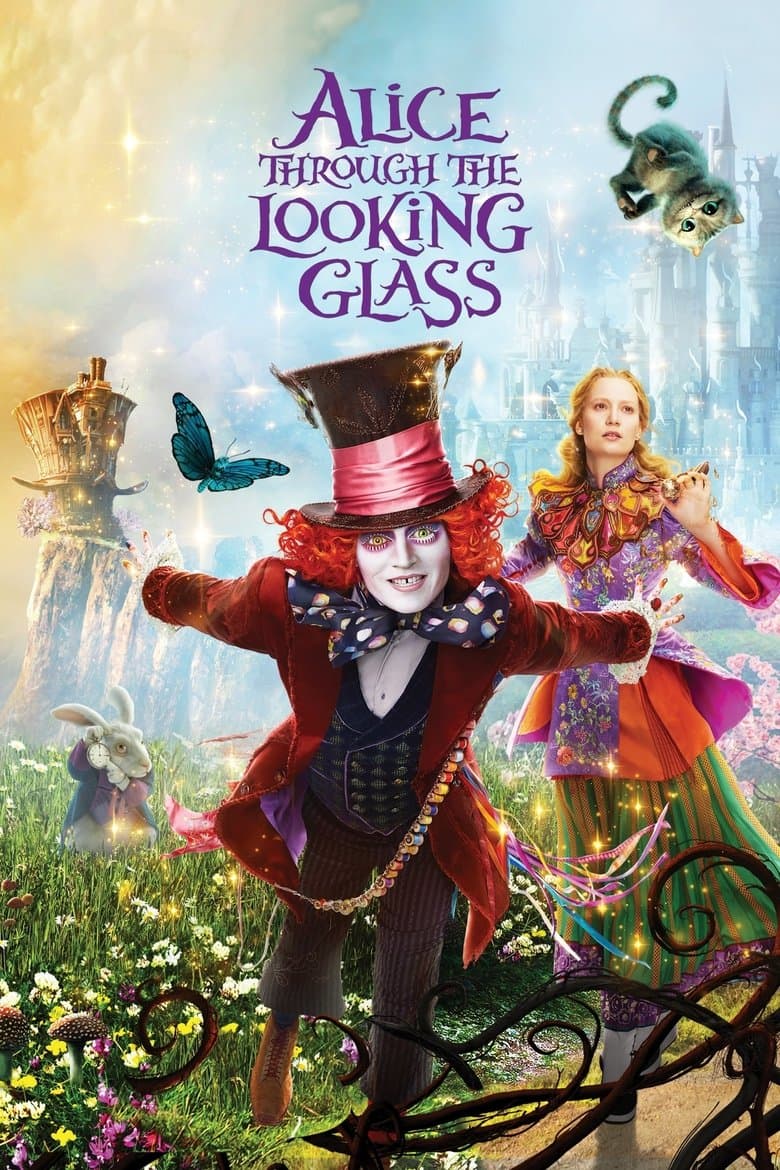
Alice Through the Looking Glass is a fantasy movie about Alice, who goes back to a magical world called Underland. She travels back in time to save her friend, the Mad Hatter, and his family. The film shows clear girl power themes as Alice works as a brave sea captain who rejects traditional marriage. She also fights against Victorian rules that try to lock her up in a mental hospital for being an independent woman.
Community feedback
Was our 69% Woke rating accurate?
Breakdown
These are the editorial factors and ratings behind our score for Alice Through the Looking Glass.
Woke representation / casting
The cast is made up of typical white actors fitting Victorian London, meaning there is very little modern DEI-style racial or queer representation. Alice is cast as a highly competent female sea captain who performs physical stunts, but this serves the feminist theme of the story rather than representing an identity-based casting quota.
12%
Woke political dialogue
The movie has explicit dialogue where Alice rejects the idea of a woman's place being domestic. She verbally defends her career as a sea captain and argues with her mother and ex-fiancé. Later, she argues with a doctor who calls her imaginative behavior evidence of female hysteria, highlighting modern feminist points about historic sexism.
Production
45%
Identity-driven story themes
The narrative is centered on Alice's search for identity and her refusal to conform to Victorian gender expectations. Her entire journey is driven by her choice to be an independent career woman instead of a traditional wife, which the film frames as a heroic and necessary struggle for personal freedom.
55%
Western institutional / cultural critique
The film explicitly criticizes traditional Victorian marriage, patriarchal business practices, and 19th-century medical institutions. It portrays these Western structures as oppressive tools designed by entitled men to control and silence independent women, specifically through the "female hysteria" asylum scene.
38%
Woke character or canon changes
The movie makes massive, ideologically-driven changes to Lewis Carroll's classic book. The original child Alice, who wanders through a world of whimsical nonsense, is replaced by an adult feminist action hero who captains ships, rejects marriage proposals, and escapes an asylum. These changes directly serve a modern empowerment agenda.
65%
Anti-woke backlash and complaints
There was moderate irritation from classic book purists and some conservative critics who disliked the heavy-handed feminist sermonizing. They complained that the film traded Lewis Carroll's whimsical charm for modern "girlboss" clichés, though this backlash was mild compared to more recent films.
25%
Creator track record context
The key creative team is a mix of mainstream professionals and feminist advocates. While the writer and one casting director have a clear track record of pushing progressive representation and female-forward themes, the directors and other producers have no history of political activism.
24%

Movie · 2018
Christopher Robin, the boy who had countless adventures in the Hundred Acre Wood, has grown up and lost his way.
Movie · 2021
An ordinary young boy called Nikolas sets out on an extraordinary adventure into the snowy north in search of his father who is on a quest to discover the fabled village of the…
Movie · 2019
It's been ten years since the dragons moved to the Hidden World, and even though Toothless doesn't live in New Berk anymore, Hiccup continues the holiday traditions he once shared…
Movie · 2024
A solitary cat, displaced by a great flood, finds refuge on a boat with various species and must navigate the challenges of adapting to a transformed world together.

Movie · 2016
For years, old wood carver Mr. Meacham has delighted local children with his tales of the fierce dragon that resides deep in the woods of the Pacific Northwest.
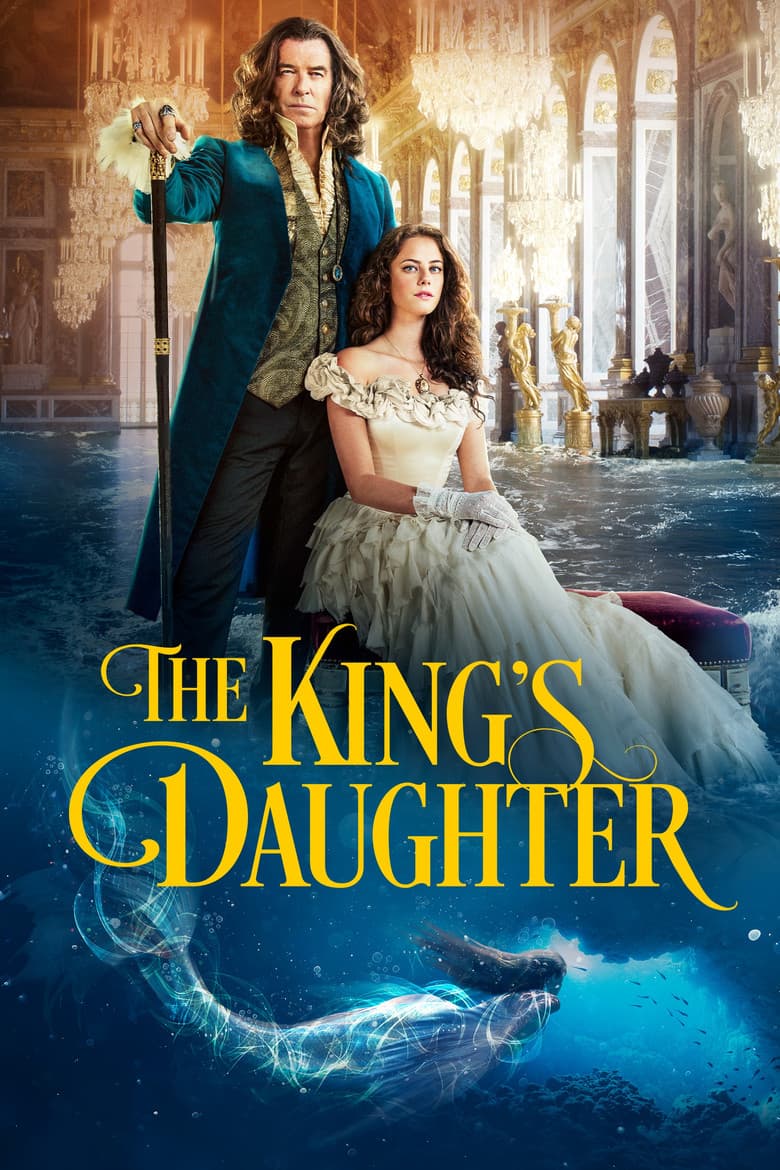
Movie · 2022
King Louis XIV's quest for immortality leads him to capture and steal a mermaid's life force, a move that is further complicated by his illegitimate daughter's discovery of the…
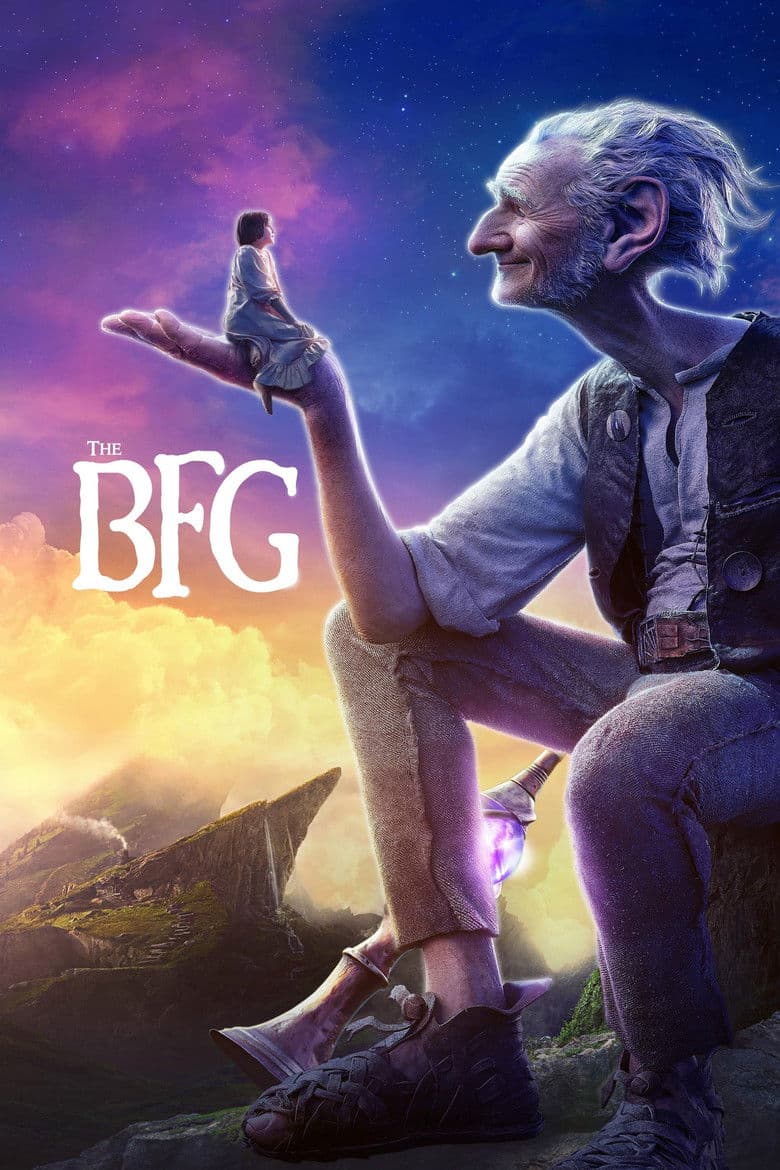
Movie · 2016
An orphan little girl befriends a benevolent giant who takes her to Giant Country, where they attempt to stop the man-eating giants that are invading the human world.
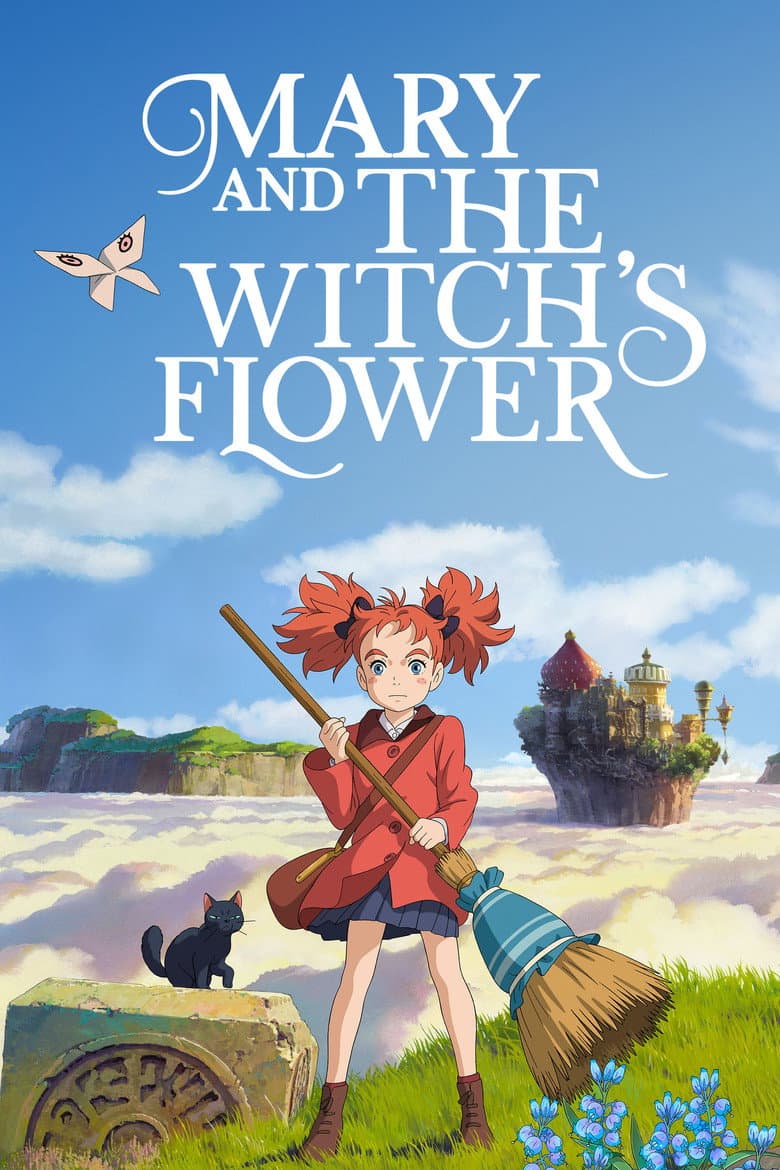
Movie · 2017
Mary Smith, a young girl who lives with her great-aunt in the countryside, follows a mysterious cat into the nearby forest where she finds a strange flower and an old broom, none…
