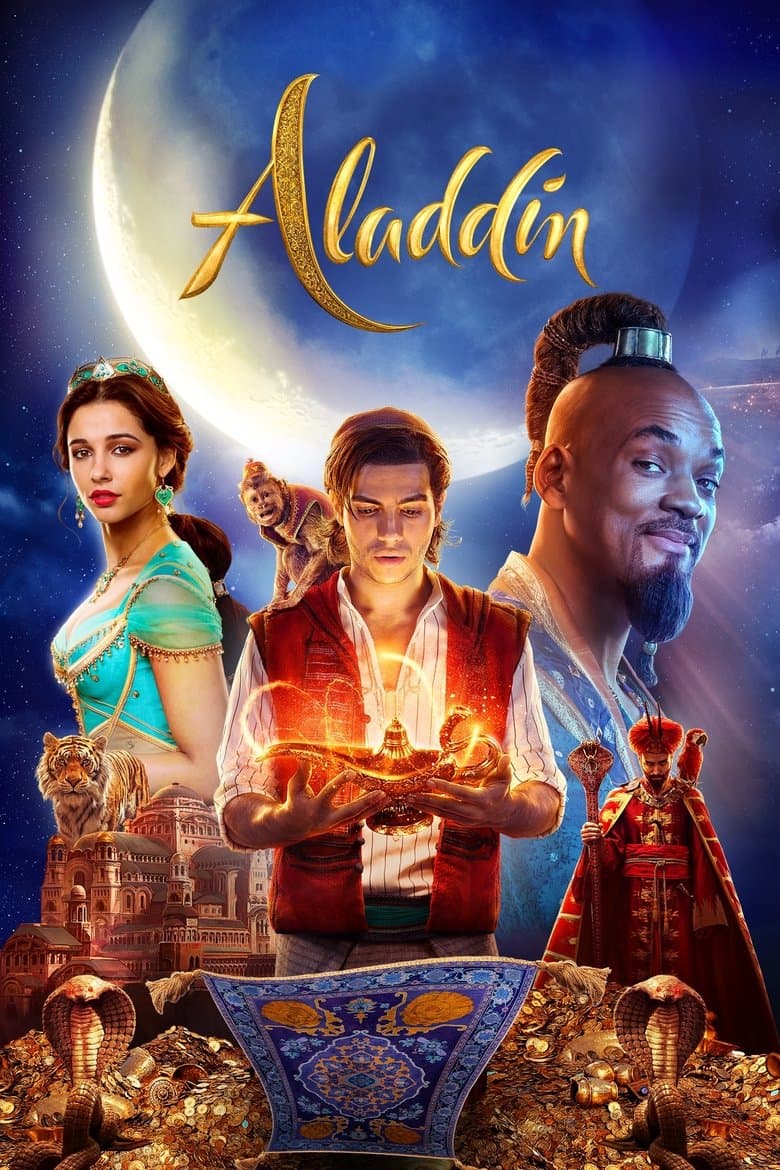
Disney's 2019 live-action musical fantasy remake follows a clever street orphan named Aladdin who finds a magic lamp, teams up with its wisecracking genie, and tries to win Princess Jasmine while stopping the power-hungry Grand Vizier Jafar in the fictional city of Agrabah. The story keeps the classic adventure and romance structure from the 1992 animated film and Arabian Nights tales. It adds a new song for Jasmine about speaking out against being silenced and features a cast with Middle Eastern, Indian, and African American leads that drew public debate over ethnic fit for the setting.
Community feedback
Was our 43% Woke rating accurate?
Breakdown
These are the editorial factors and ratings behind our score for Aladdin.
Woke representation / casting
Visible diverse casting with Middle Eastern actors in key roles like Aladdin and Jafar, a black actor as the Genie, and an Indian-British actress as Jasmine; the Jasmine choice sparked widespread public discussion about ethnic mismatch with the Arabian Nights-inspired Agrabah world and reports of background adjustments.
38%
Woke political dialogue
The added song "Speechless" brings in themes of female empowerment and resistance to patriarchal silencing; the rest of the dialogue and story stay within classic fantasy adventure without modern political lectures.
28%
Identity-driven story themes
Jasmine gains more personal agency and a self-expression arc that challenges royal traditions; the main plot of thief, genie wishes, romance, and stopping the villain remains a traditional fairy-tale structure.
22%
Western institutional / cultural critique
The conflict is a straightforward fantasy battle against a greedy vizier in a magical kingdom; no modern critiques of systems, identity politics, or cultural institutions appear.
8%
Woke character or canon changes
Jasmine's mother is described as coming from "another land" to fit the casting; a new empowerment song and small story tweaks were added; opening lyrics were softened from the 1992 version, all changes discussed publicly during production.
32%
Anti-woke backlash and complaints
A few critics described it as vaguely woke filmmaking mixed with appropriation; however, the loudest complaints came from progressive and Arab advocacy groups about stereotypes and casting authenticity rather than claims of heavy left-wing messaging. No large-scale right-leaning campaign labeled it excessively woke.
10%
Creator track record context
Guy Ritchie shows no political pattern; John August has supported script diversity efforts; producers Dan Lin and Jonathan Eirich connect to Hollywood programs for underrepresented creators; casting directors follow standard fitting-talent practices.
22%
Production
Movie · 2016
For years, old wood carver Mr. Meacham has delighted local children with his tales of the fierce dragon that resides deep in the woods of the Pacific Northwest.
Movie · 2021
An ordinary young boy called Nikolas sets out on an extraordinary adventure into the snowy north in search of his father who is on a quest to discover the fabled village of the…
Movie · 2016
An orphan little girl befriends a benevolent giant who takes her to Giant Country, where they attempt to stop the man-eating giants that are invading the human world.
Movie · 2020
After losing his wife seven years earlier, the eccentric Dr. John Dolittle, famed doctor and veterinarian of Queen Victoria’s England, hermits himself away behind the high walls…
Movie · 2018
Christopher Robin, the boy who had countless adventures in the Hundred Acre Wood, has grown up and lost his way.
Movie · 2024
Inside of his book, adventurous Harold can make anything come to life simply by drawing it. After he grows up and draws himself off the book's pages and into the physical world…
Movie · 2025
When a young girl’s sketchbook falls into a strange pond, her drawings come to life—chaotic, real, and on the loose.
Movie · 2021
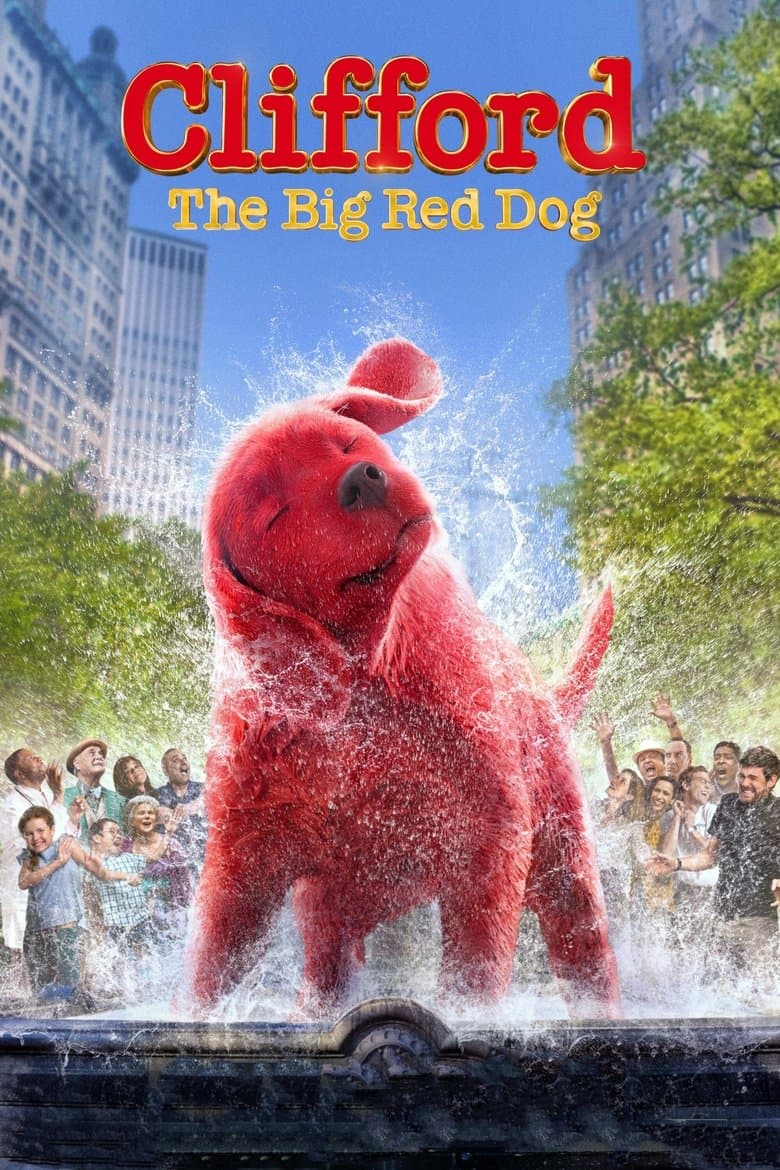
As Emily struggles to fit in at home and at school, she discovers a small red puppy who is destined to become her best friend.
