
In the early 22nd century, cosmic surges tied to a lost deep-space project threaten life across the solar system. Major Roy McBride is a calm, sealed-off astronaut sent toward Mars to contact his missing father Clifford. Clifford once led a search for intelligent life and became a legend who never came home. Roy travels from Earth to a commercial Moon with pirates, then to Mars, and on toward Neptune. The path follows a dark journey of secrecy, a past mutiny, and a father who admits he never cared about family. Roy rejects that empty obsession, recovers scientific data, and turns back toward living and loving again.
The film is not driven by race politics, queer identity, or diversity messaging. Its main cultural thread is emotional armor and soft masculinity. Stoic denial and an absent father have damaged Roy’s ability to connect with others. Healing comes through vulnerability and human bonds rather than glory in exploration. SpaceCom lies about Clifford and uses Roy, while Moon tourism and pirates add light satire of commercial space. Those notes stay mild and personal. They do not turn the story into a lecture on capitalism, race, or identity checklists.
Community feedback
Was our 30% Woke rating accurate?
Breakdown
These are the editorial factors and ratings behind our score for Ad Astra.
Woke representation / casting
Near-future SpaceCom shows multiethnic officers and Ruth Negga as a capable Mars director who helps the climax. Women also hold military rank, such as a major general. That fits a modern future space force and is not sold as diversity casting. The leads stay a white father and son, and the women remain supporting or underused rather than girlboss saviors.
18%
Woke political dialogue
Not present. No audience-facing DEI, race, gender-quota, or activist identity dialogue.
0%
Identity-driven story themes
The plot is not driven by race, queer identity, or representation goals. There is a light gender-norms thread about stoic emotional denial and absent fathers causing harm. Healing comes through vulnerability and human connection as personal drama more than activist politics. There are no LGBTQ elements.
20%
Western institutional / cultural critique
The film softens traditional Marlboro Man stoicism by showing emotional self-denial that ruins intimacy. SpaceCom lies about Clifford and uses Roy. Moon tourism and pirates offer mild satire of commercialized space. It is not a broad attack on capitalism, colonial guilt, whiteness, or Christianity.
34%
Woke character or canon changes
Not relevant. Original screenplay with no identity-driven rewrites of established characters, canon, or historical figures.
0%
Anti-woke backlash and complaints
Not present. No meaningful anti-woke campaign or mainstream too-woke controversy.
0%
Creator track record context
James Gray is framed as left-leaning with family and class themes, not identity-activist output. Ethan Gross scores low in the source cache. Plan B producers sit in a prestige social-issue range that includes queer-centered work as context only. The overall pattern is prestige humanist cinema more than activist DEI branding of this title.
24%
Production

Movie · 2018
A family is forced to live in silence while hiding from creatures that hunt by sound.
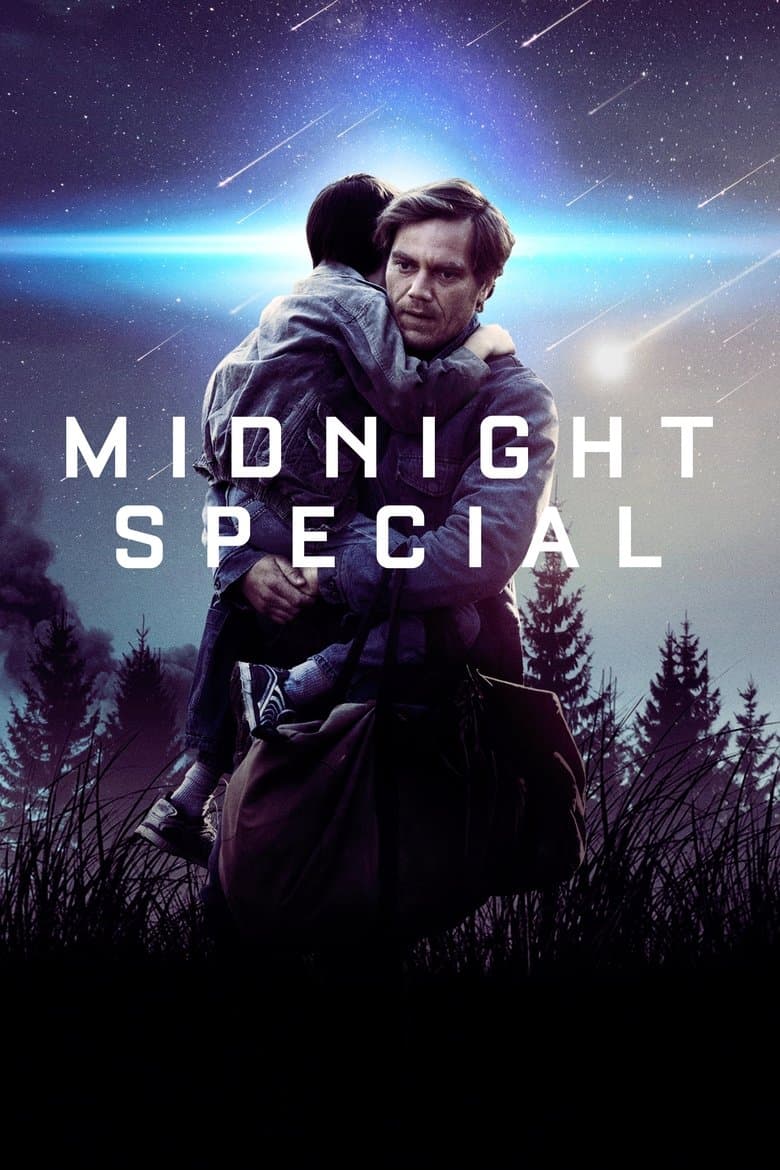
Movie · 2016
A father and son go on the run after the dad learns his child possesses special powers.
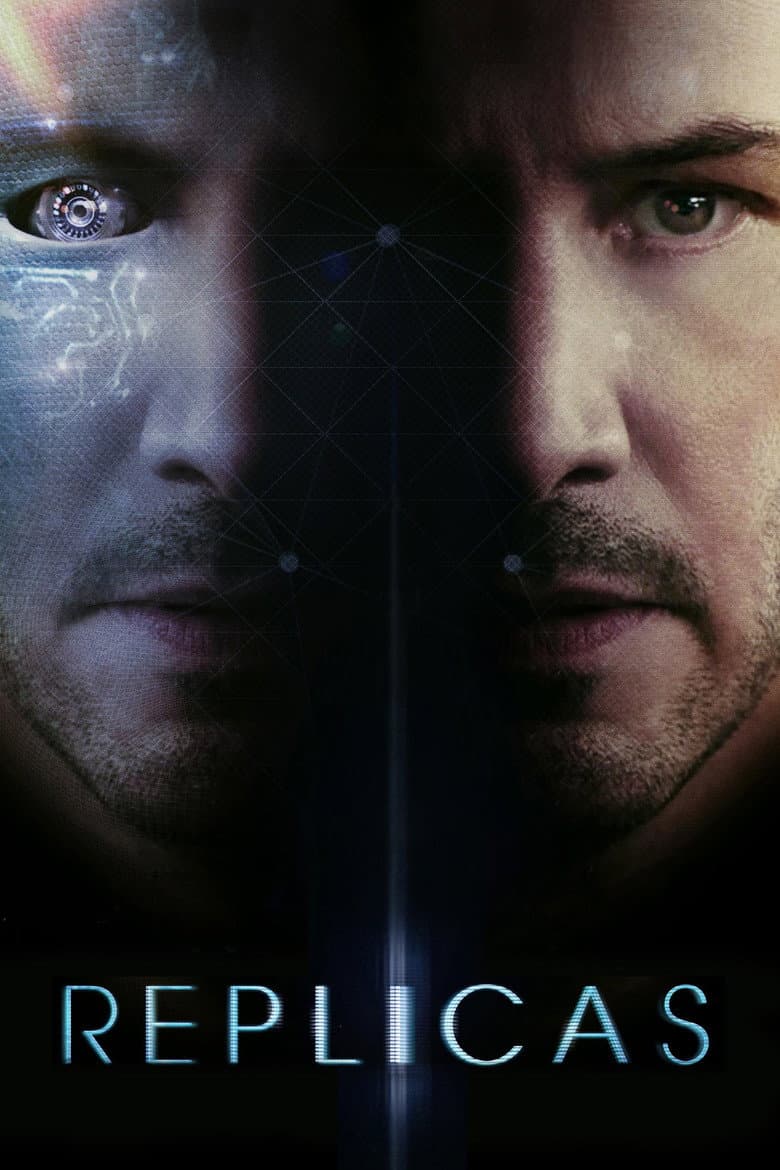
Movie · 2018
A scientist becomes obsessed with returning his family to normalcy after a terrible accident.

Movie · 2020
At the height of the Cold War, a Soviet spacecraft crash lands after a mission gone awry, leaving the commander as its only survivor.
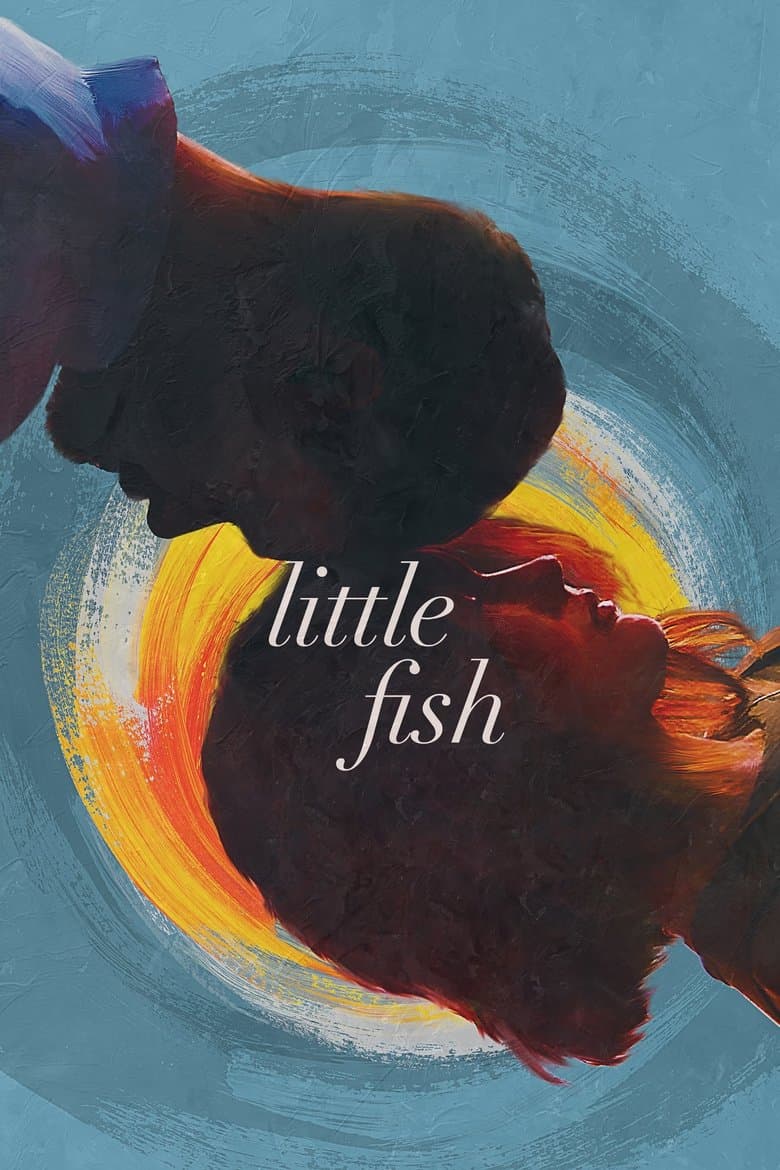
Movie · 2021
A couple fights to hold their relationship together as a memory loss virus spreads and threatens to erase the history of their love and courtship.

Movie · 2021
On a post-apocalyptic Earth, a robot, built to protect the life of his dying creator's beloved dog, learns about life, love, friendship, and what it means to be human.
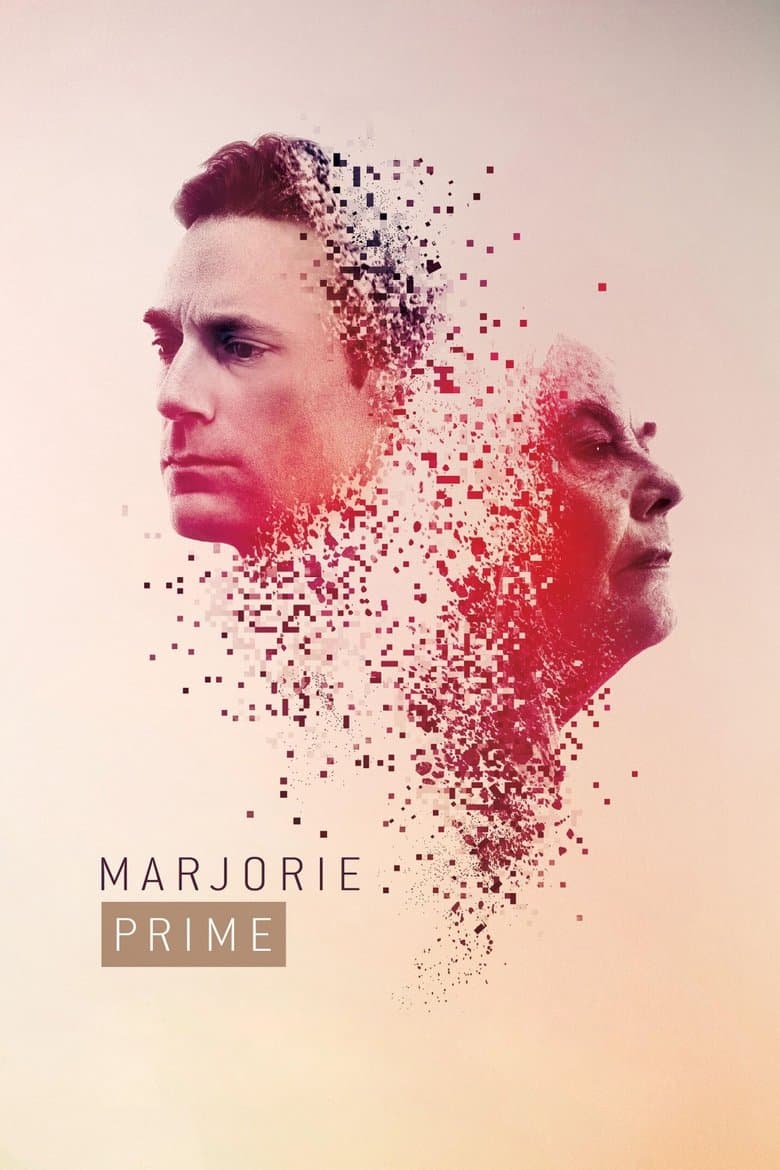
Movie · 2017
A service which creates holographic projections of late family members allows an elderly woman to spend time with a younger version of her deceased husband.

Movie · 2016
Taking place after alien crafts land around the world, an expert linguist is recruited by the military to determine whether they come in peace or are a threat.
