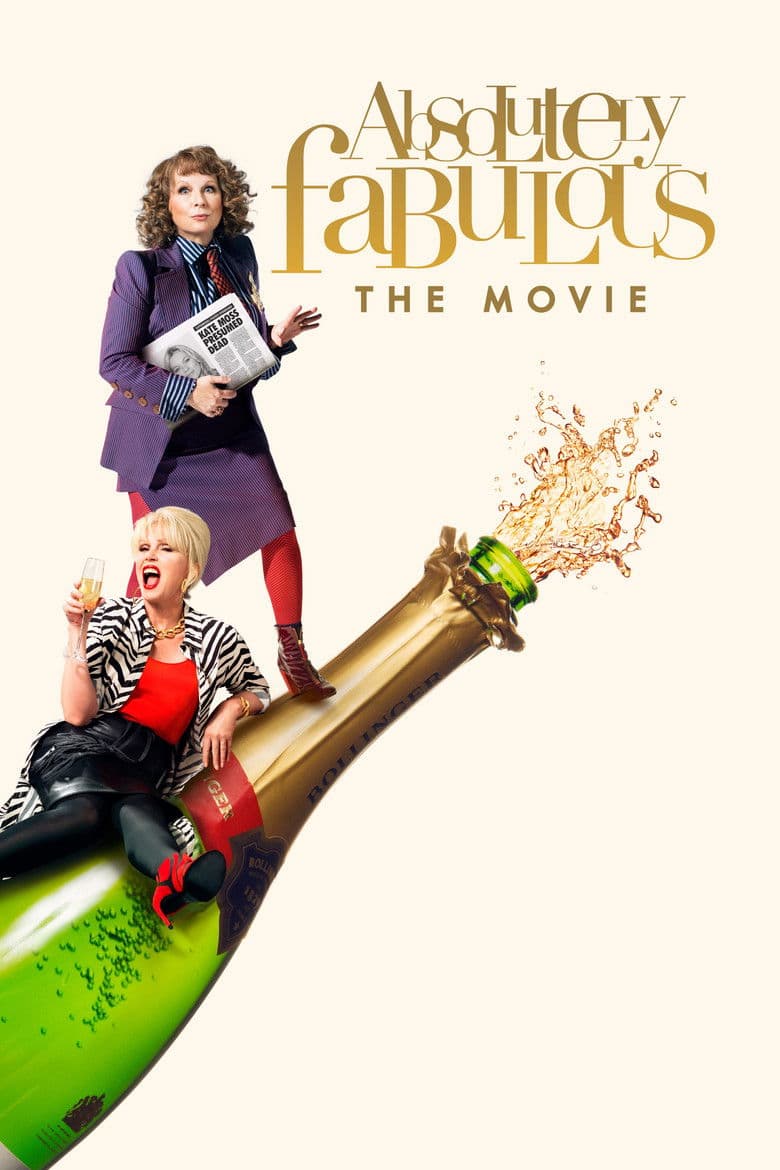
Edina Monsoon is an aging London publicist who wants to stay rich, thin, and famous. Her best friend Patsy Stone joins her after Edina accidentally knocks Kate Moss into the River Thames at a fashion party. The pair flee to the French Riviera with Edina’s teenage granddaughter Lola while the police and press chase them. The comedy is loud, rude, and built around drinking, drugs, fashion, sex, celebrity life, and the messy bond between two selfish women.
The clearest woke elements are the film’s LGBTQ content and its focus on women living outside traditional family roles. Marshall, Edina’s ex-husband, says he is transgender and wants to live as a woman, while wealthy Lubliana says she is not a woman after Patsy marries her in disguise. Chris Colfer plays a gay hairdresser, and drag performers appear at the parties. These ideas are side jokes and quick plot turns, not serious lessons, while the main story stays focused on fame, aging, friendship, and greed.
Community feedback
Was our 22% Woke rating accurate?
Breakdown
These are the editorial factors and ratings behind our score for Absolutely Fabulous: The Movie.
Woke representation / casting
The film adds a black granddaughter, a gay hairdresser, and drag performers around the fashion and club scenes. Those are audience-visible identity choices, even though the roles are supporting. The story gives them no major identity speeches or heroic jobs. The main leads stay the established white British women from the TV series.
15%
Woke political dialogue
Not present in this title.
0%
Identity-driven story themes
The story centers two older women whose main bond is friendship, not romance or marriage. The film adds a subplot where Marshall says he is transgender and wants to live as a woman. The plot also uses Lubliana saying she is not a woman, plus a gay hairdresser and drag performers. The movie treats these points as jokes or side events, so identity themes are visible but not central.
25%
Western institutional / cultural critique
Not present in this title.
0%
Woke character or canon changes
The film changes established ex-husband Marshall into a character who says he is transgender and wants to live as a woman. The film also adds Lubliana’s line that she is not a woman, but Lubliana is new to the movie. The Marshall material is brief and played as a crude joke. It is a visible identity-based change, but it does not reshape the main series story.
12%
Anti-woke backlash and complaints
Not present. Pre-release yellowface accusation from Margaret Cho received coverage but represented progressive complaints about insufficient or offensive representation rather than claims the film pushed woke agendas; no significant “too woke” backlash emerged and some humor targeted identity topics crudely.
0%
Creator track record context
Jennifer Saunders has criticized Brexit, Nigel Farage, and Donald Trump. She has described the Ab Fab world as an oddly feminist institution where its women do not define themselves through men. Producer Damian Jones has backed a race and slavery drama, but the wider team has little known activist history.
18%
Production
Movie · 2016
A comedy that follows a group of friends as they navigate their way through the freedoms and responsibilities of unsupervised adulthood.
Movie · 2018
Adam Sandler takes his comical musical musings back out on the road, from comedy clubs to concert halls to one very unsuspecting subway station.
Movie · 2023
From his onstage tackle to the slap heard round the world, Dave Chappelle lets loose in this freewheeling and unfiltered stand-up comedy special.
Movie · 2024
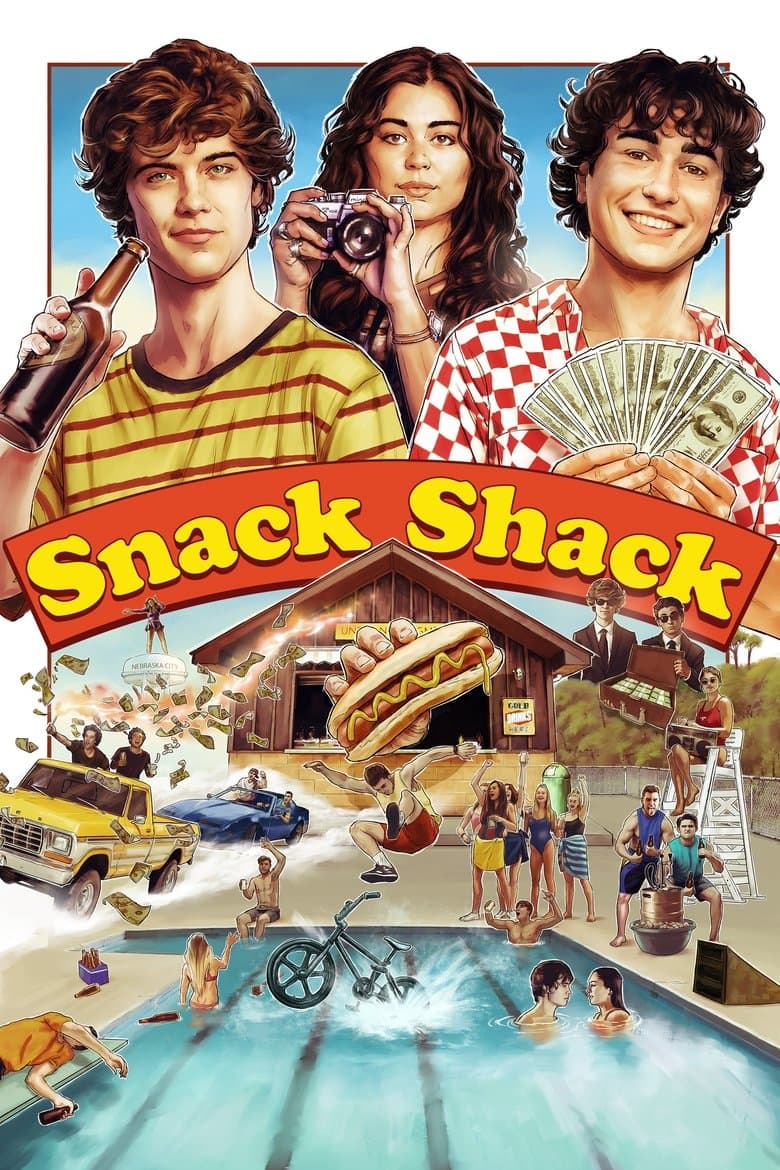
Inseparable best friends AJ and Moose decide to run the local pool's snack shack after their plan to sell home-brewed beer goes down the drain.
Movie · 2023
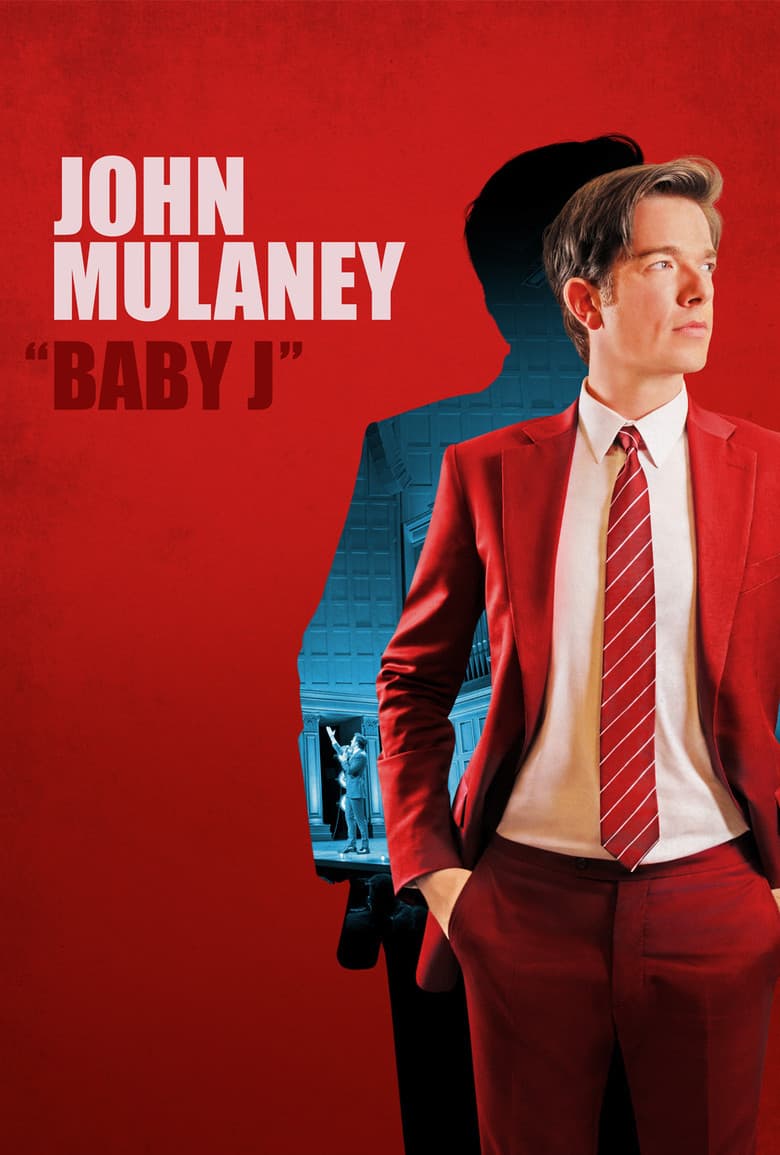
A chaotic intervention. An action-packed stay in rehab. After a weird couple of years, John Mulaney comes out swinging in his return to the stage.
Movie · 2022
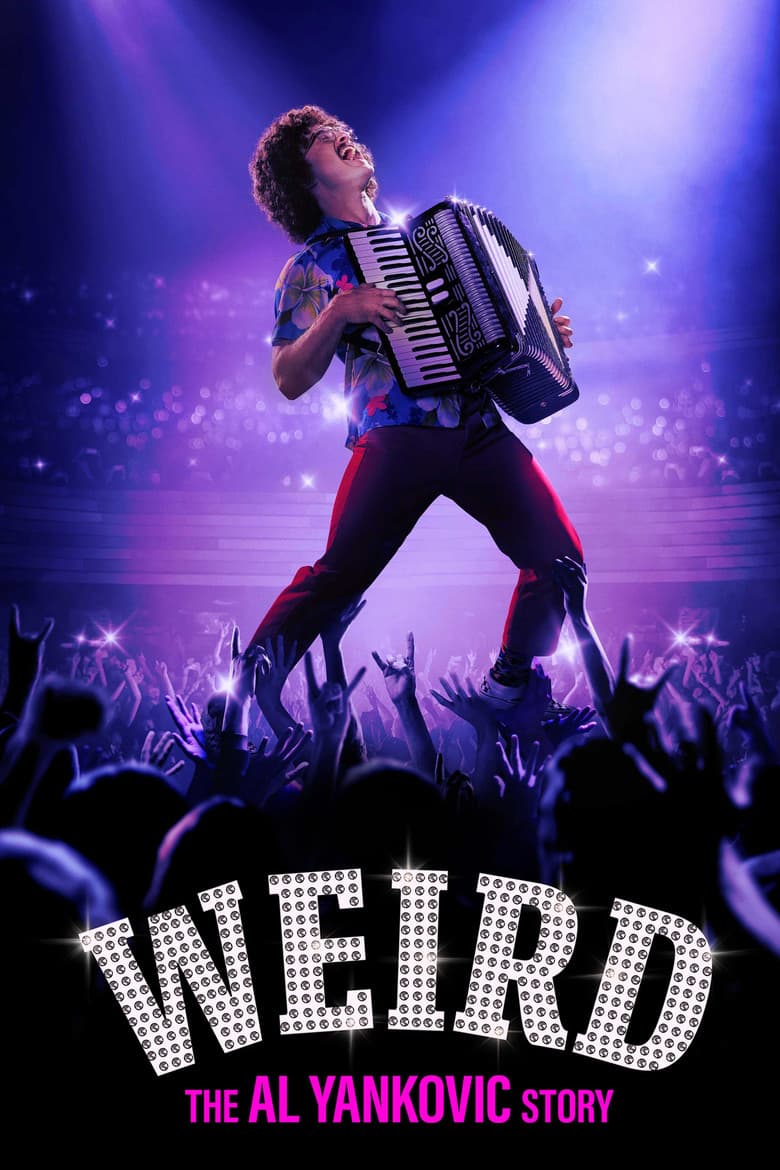
Exploring every facet of ‘Weird Al’ Yankovic’s life, from his meteoric rise to fame with early hits like ‘Eat It’ and ‘Like a Surgeon’ to his torrid celebrity love affairs and…

Movie · 2019
An unlikely friendship between two neighbors becomes an unexpectedly emotional journey when the younger man is diagnosed with terminal cancer.
Movie · 2016
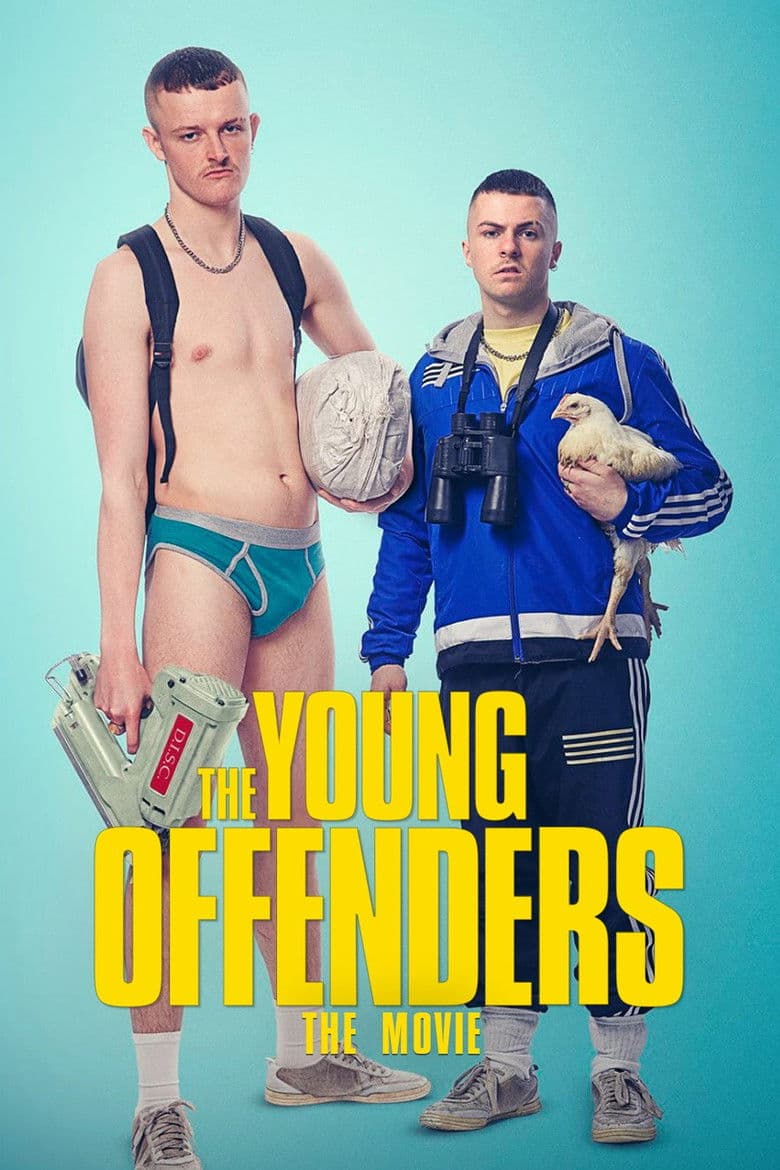
Two teenage boys from inner-city Cork steal bicycles and ride off on a 160km quest to find an unrecovered bale of cocaine worth 7,000,000 euros.
