
A United Kingdom is a biographical romantic drama about the real 1947 to 1948 marriage of Seretse Khama, heir of the Bamangwato in the British protectorate of Bechuanaland, later Botswana, and Ruth Williams, a white London clerk. Family members, tribal leaders, the British government, and apartheid South Africa all oppose the match. The story follows exile, colonial schemes, resource politics, and the couple’s path toward acceptance and independence. The film keeps that true historical conflict at the center from start to finish.
Race is the spine of the premise, with a black king and a white wife set against families, tribe, empire, and apartheid law. Officials and speeches keep colonial power, British bad faith, and racial hierarchy in plain view. The film treats British colonial institutions as the main moral villain while still telling a grounded period story. Themes of interracial love, African self-rule, and who stands at the center of the story run through the whole film. Faith appears only in a missionary society dance that starts the romance, and there is no confirmed LGBTQ content.
Community feedback
Was our 77% Woke rating accurate?
Breakdown
These are the editorial factors and ratings behind our score for A United Kingdom.
Woke representation / casting
The cast fits the real historical people and places, so it is not an invented modern mix. The score is still a little above zero because creators and press sold the film as representation work with a black director, a black lead, and an interracial romance as a public statement.
22%
Woke political dialogue
Talk and big speeches keep race, colonial power, and British bad faith easy to hear. Officials threaten the marriage to please South Africa, and the couple is treated as a cost of gold diplomacy. It is not modern DEI jargon, but race and empire politics stay constant and hard to miss.
52%
Identity-driven story themes
Race is the spine of the premise, with a black king and white wife against families, tribe, empire, and apartheid law. Interracial love, racial hierarchy, and African self-rule shape the whole film. That history is real, but the race framing is still dominant and continuous for this catalog.
68%
Western institutional / cultural critique
British colonial power is the main antagonist through sneering officials, exile tricks, and deals that put minerals and stability over the marriage. The film centers British institutional racism and hypocrisy as the moral villain, not a neutral backdrop. Family pushback is personal and traditional on both sides, not mainly about faith-bashing or anti-family messaging.
60%
Woke character or canon changes
The film follows real events and Colour Bar, and the core story was largely accepted. The scored choice is giving more weight to Naledi and other Bamangwato women after Asante said the early script lacked a strong black female point of view. British villains are also composites that stand in for the Colonial Office.
20%
Anti-woke backlash and complaints
No big campaign calling the film too woke or DEI propaganda turned up. Oyelowo said about three quarters of Facebook page comments were racist, and the studio took the page down. That was hostility to interracial romance and a strong black lead, not organized culture-war discourse under woke labels.
14%
Creator track record context
Cached scores weight the team toward Asante and Oyelowo as the visible drivers of social and historical themes. Asante sits higher for race and gender historical films, and Oyelowo for civil-rights-facing work and diversity advocacy. Other producers and the writer sit lower on that same cached scale.
56%
Production
Movie · 2026
While people across 1990s Iraq struggle to survive the war and food shortages, Saddam Hussein requires each school in the country to prepare a cake to celebrate his birthday.
Movie · 2016
On 15 January 2009, the world witnessed the 'Miracle on the Hudson' when Captain 'Sully' Sullenberger glided his disabled plane onto the Hudson River, saving the lives of all 155…
Movie · 2022
A quiet, neglected girl is sent away from her dysfunctional family to live with relatives for the summer. She blossoms in their care, but in this house where there are meant to be…
Movie · 2017
Members of the Granite Mountain Hotshots battle deadly wildfires to save an Arizona town.
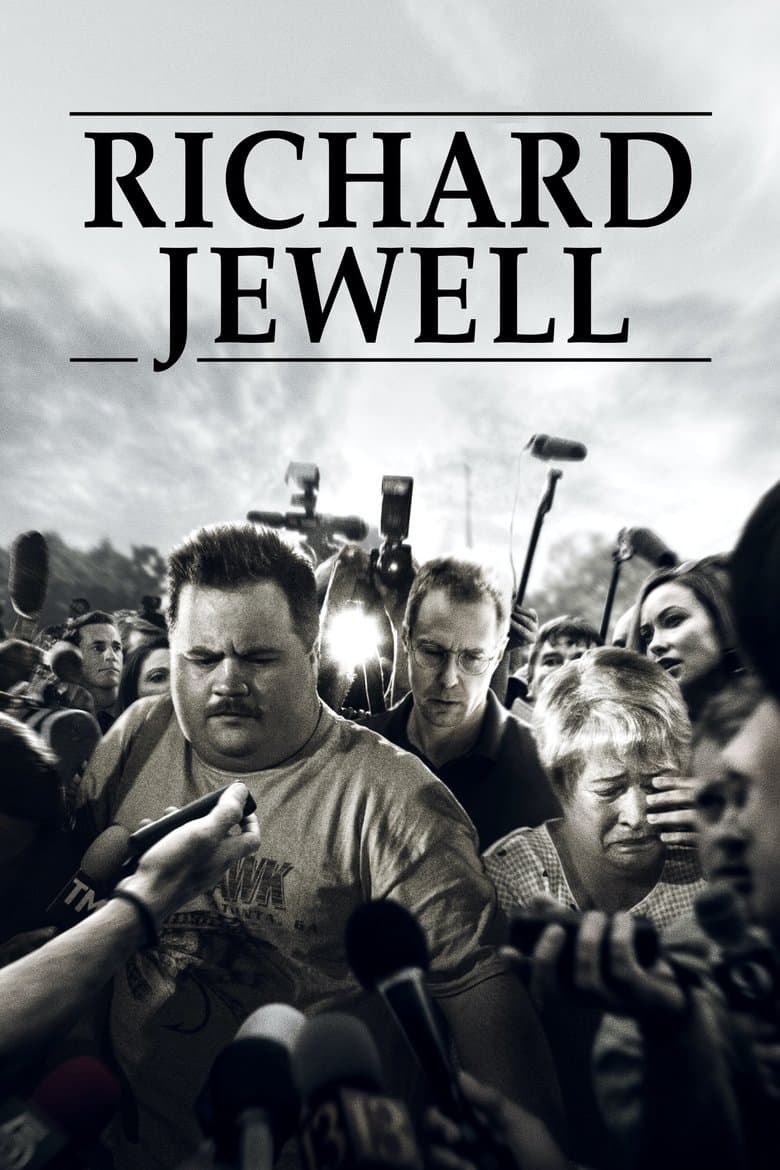
Movie · 2019
Richard Jewell thinks quick, works fast, and saves hundreds, perhaps thousands, of lives after a domestic terrorist plants several pipe bombs and they explode during a concert…

Movie · 2023
The story of J. Robert Oppenheimer's role in the development of the atomic bomb during World War II.
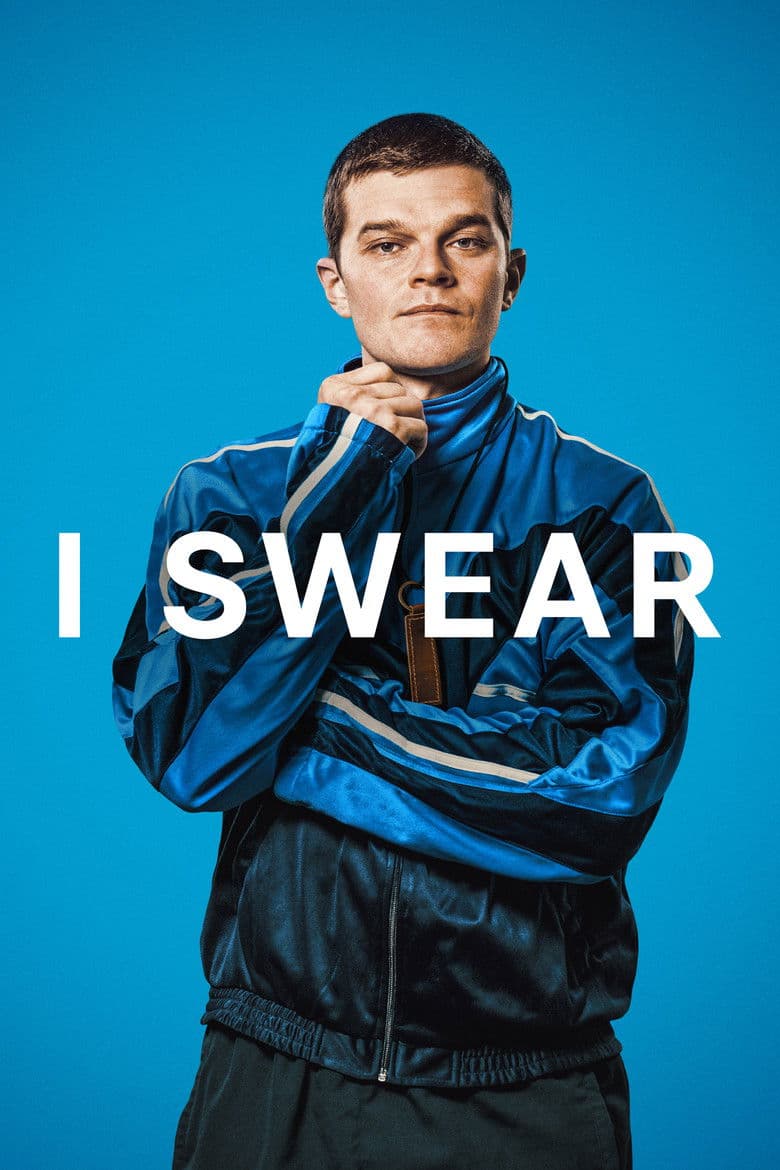
Movie · 2025
Diagnosed with Tourette Syndrome at 15, John Davidson navigates his way against the odds through troubled teenage years and into adulthood, finding inspiration in the kindness of…
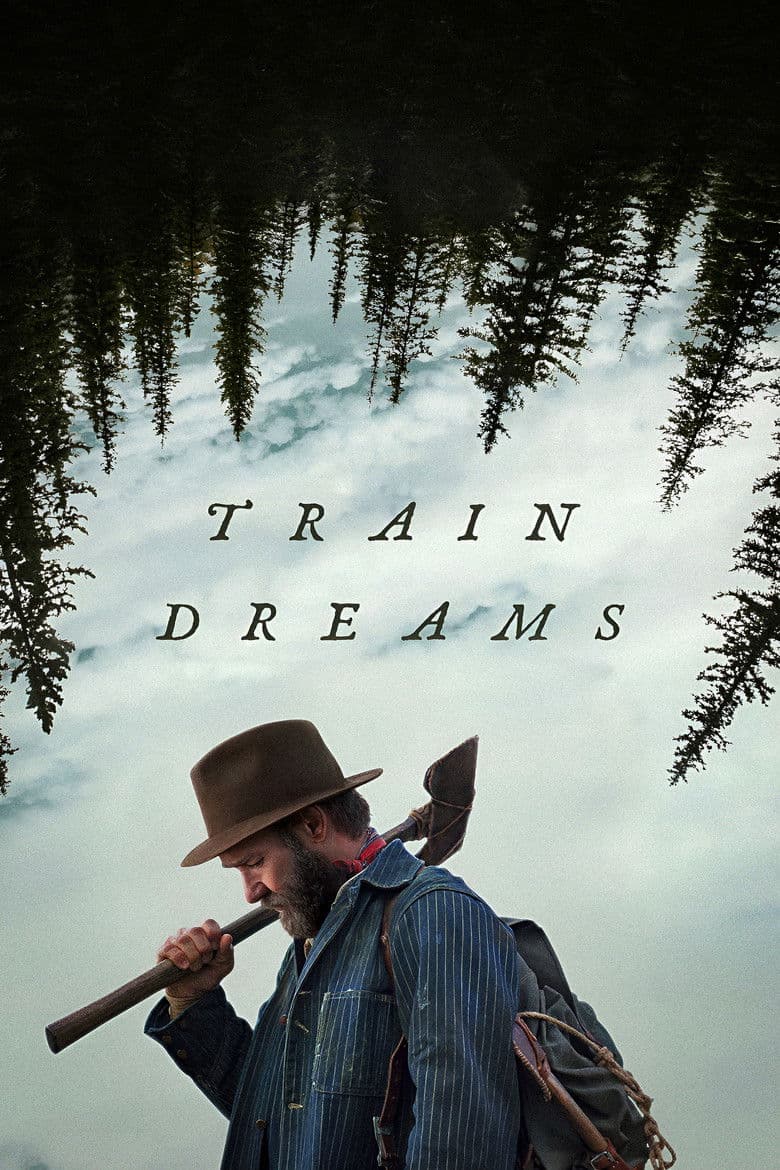
Movie · 2025
A logger leads a life of quiet grace as he experiences love and loss during an era of monumental change in early 20th-century America.
