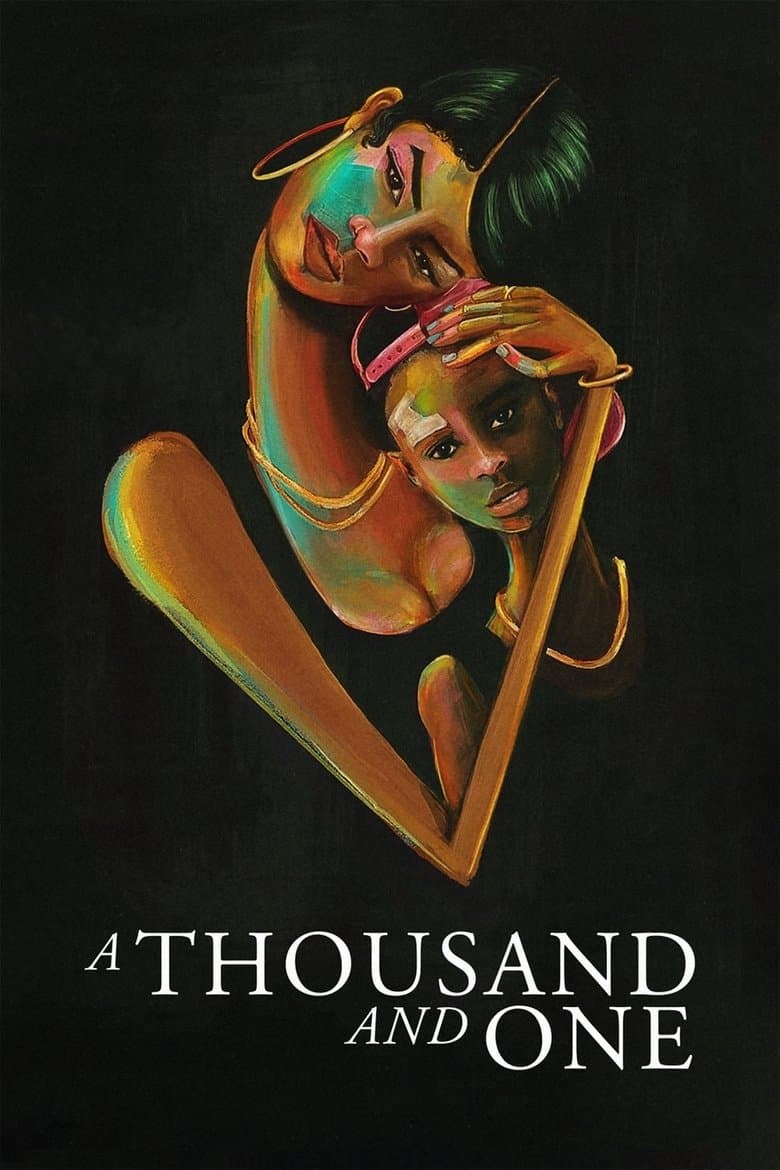
Inez is a tough young woman in mid-1990s New York. Fresh out of jail, she takes a boy she loves out of foster care and runs with him to Harlem so they can build a life. Over the years he grows up while the city changes around them. The tone is gritty, emotional, and focused on home, secrets, and survival.
The film’s woke weight comes from how clearly it centers black motherhood, race, and unfair systems. Viewers see a black mother fight foster care, police pressure, and gentrification as Harlem is remade. News and plot beats call out city leaders, stop-and-frisk, and landlords who push poor people out. The story is sold as a love letter to overlooked black women and communities. A normal viewer would notice race, class, and gender themes as a main part of the movie, not a small background detail. There is no queer storyline and almost no anti-woke uproar.
Community feedback
Was our 79% Woke rating accurate?
Breakdown
These are the editorial factors and ratings behind our score for A Thousand and One.
Woke representation / casting
Main cast is black in a black Harlem story that fits the setting. That match is natural, not a race-swap into a white world. Still, ads and interviews sell the film as a spotlight on black women who usually go unseen, so identity-forward casting and marketing are clear and above pure accident.
32%
Woke political dialogue
News clips and talk name Giuliani-era crackdowns, stop-and-frisk, and city change. Characters face cops and systems that treat them as disposable. Lines about how little care black women get land hard. Not a speech film, but the political talk is easy for a viewer to hear.
48%
Identity-driven story themes
Core plot is a black mother’s fight for family and home while race, gender, and class shape every turn. Foster care, gentrification of a black neighborhood, and “unseen” black womanhood are front-and-center. A normal viewer would treat identity themes as a main point of the movie.
74%
Western institutional / cultural critique
Foster care is shown as harmful. Police stop-and-frisk and harassment hit black teens. New landlords and luxury growth push poor black residents out. City leaders and policy are framed as hurting the community. That modern system critique is strong and hard to miss.
72%
Woke character or canon changes
Not present in this title.
0%
Anti-woke backlash and complaints
Almost no wide anti-woke backlash. Critics largely cheered the film. A few people said the politics felt one-sided on Giuliani, police, or crime, but that stayed small and scattered.
8%
Creator track record context
Rockwell’s work centers black women and racial inequality. Waithe and Rajani (Hillman Grad) and other race-forward producers sit around the project. The team’s pattern matches the film’s social focus more than a neutral studio drama.
64%
Production
Movie · 2016
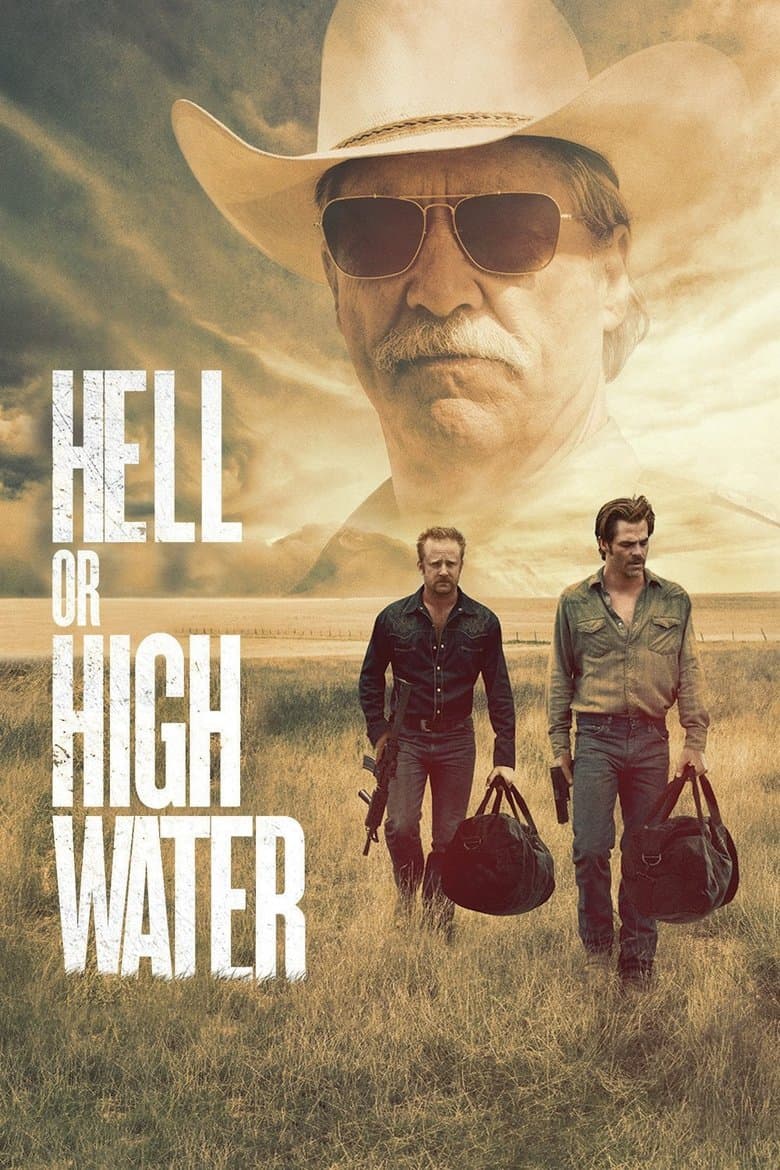
A divorced dad and his ex-con brother resort to a desperate scheme in order to save their family's farm in West Texas.
Movie · 2018
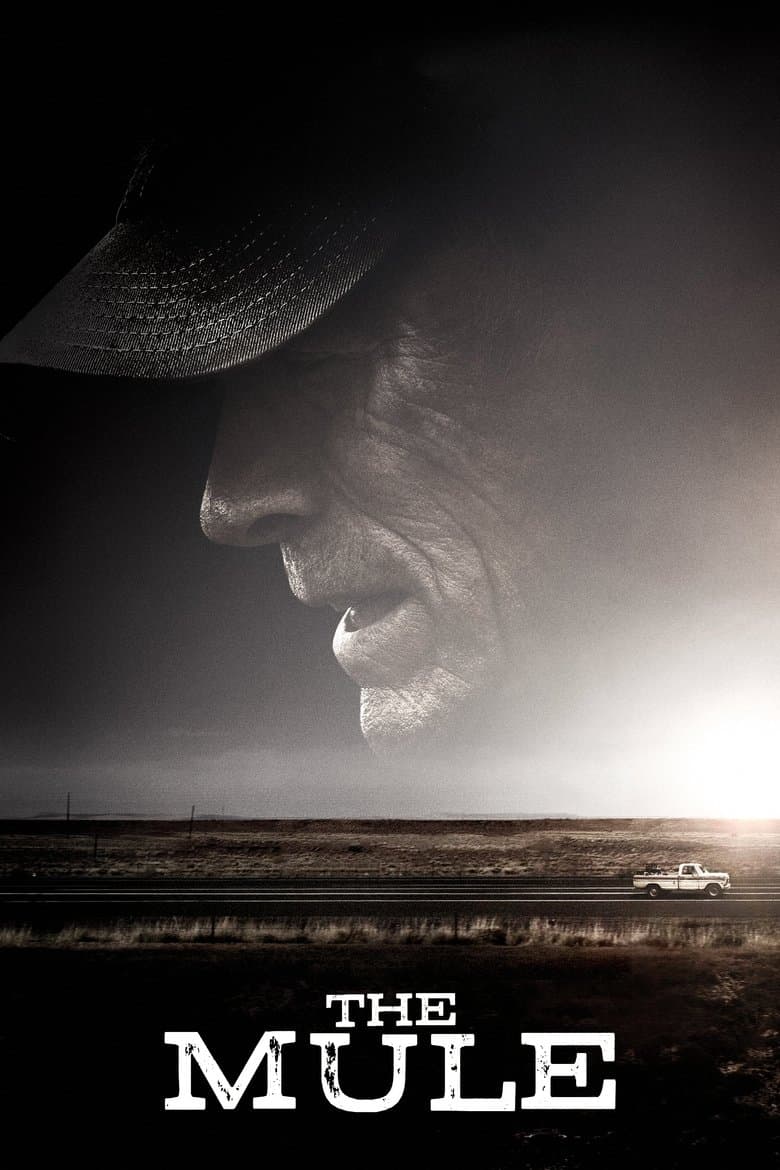
Earl Stone, a man in his eighties, is broke, alone, and facing foreclosure of his business when he is offered a job that simply requires him to drive.
Movie · 2019
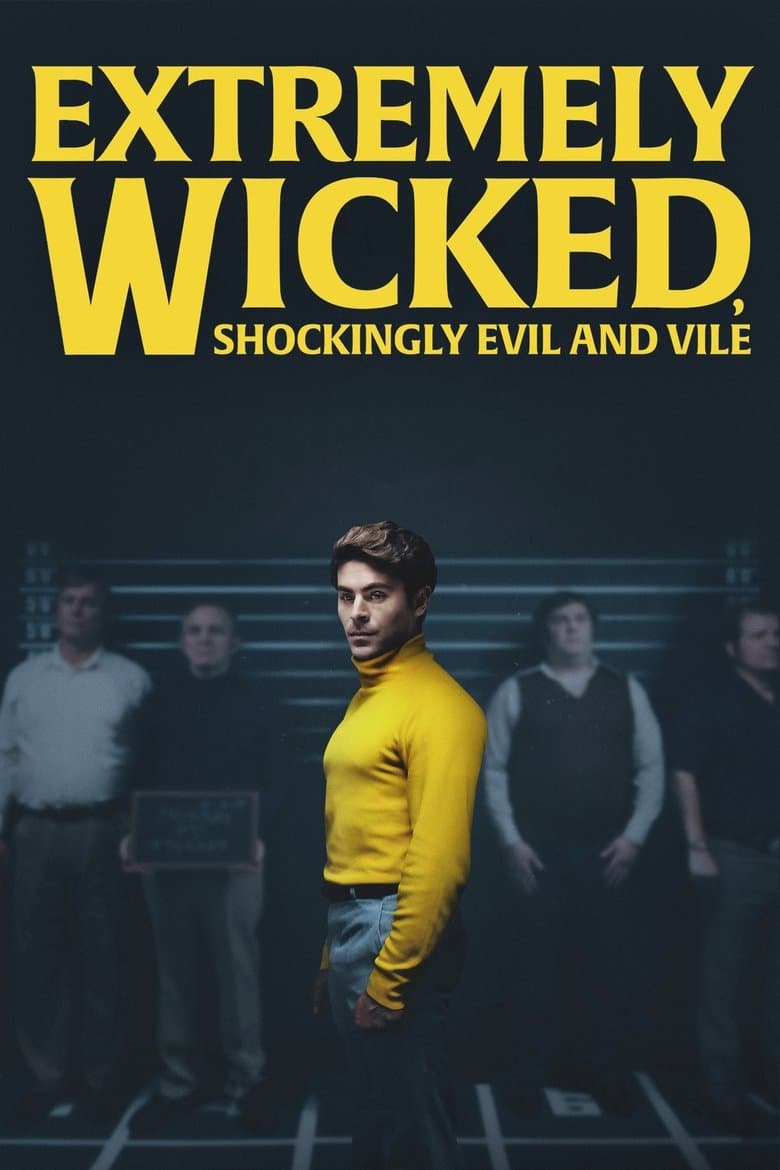
A chronicle of the crimes of Ted Bundy, from the perspective of his longtime girlfriend, Elizabeth Kloepfer, who refused to believe the truth about him for years.
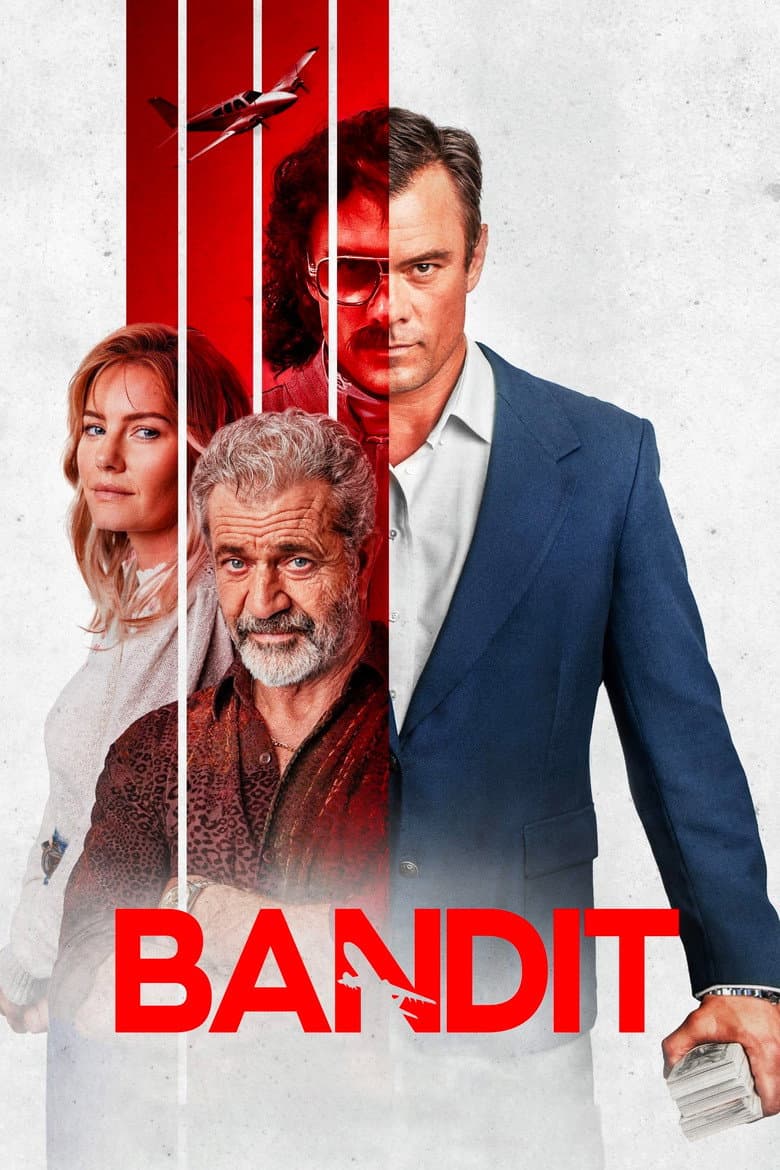
Movie · 2022
After escaping a Michigan prison, a charming career criminal assumes a new identity in Canada and goes on to rob a record 59 banks and jewellery stores while being hunted by a…
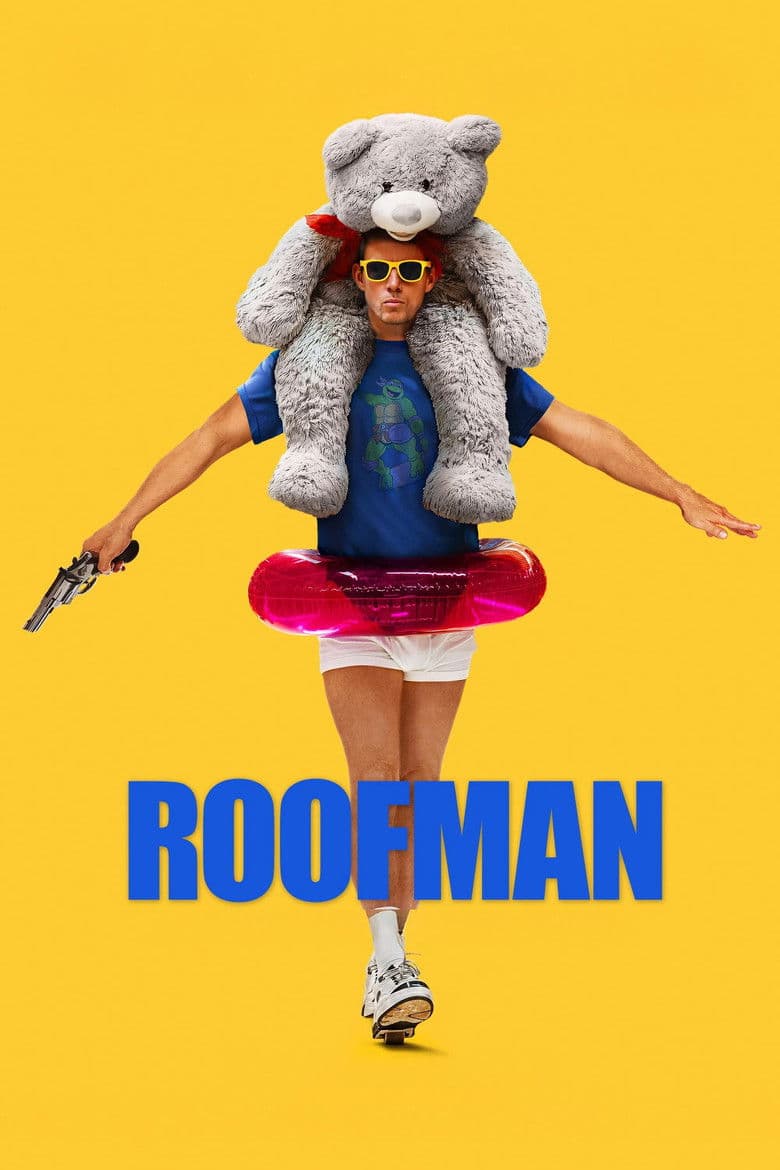
Movie · 2025
A former Army Ranger and struggling father turns to robbing McDonald’s restaurants by cutting holes in their roofs, earning him the nickname "Roofman." After escaping prison, he…
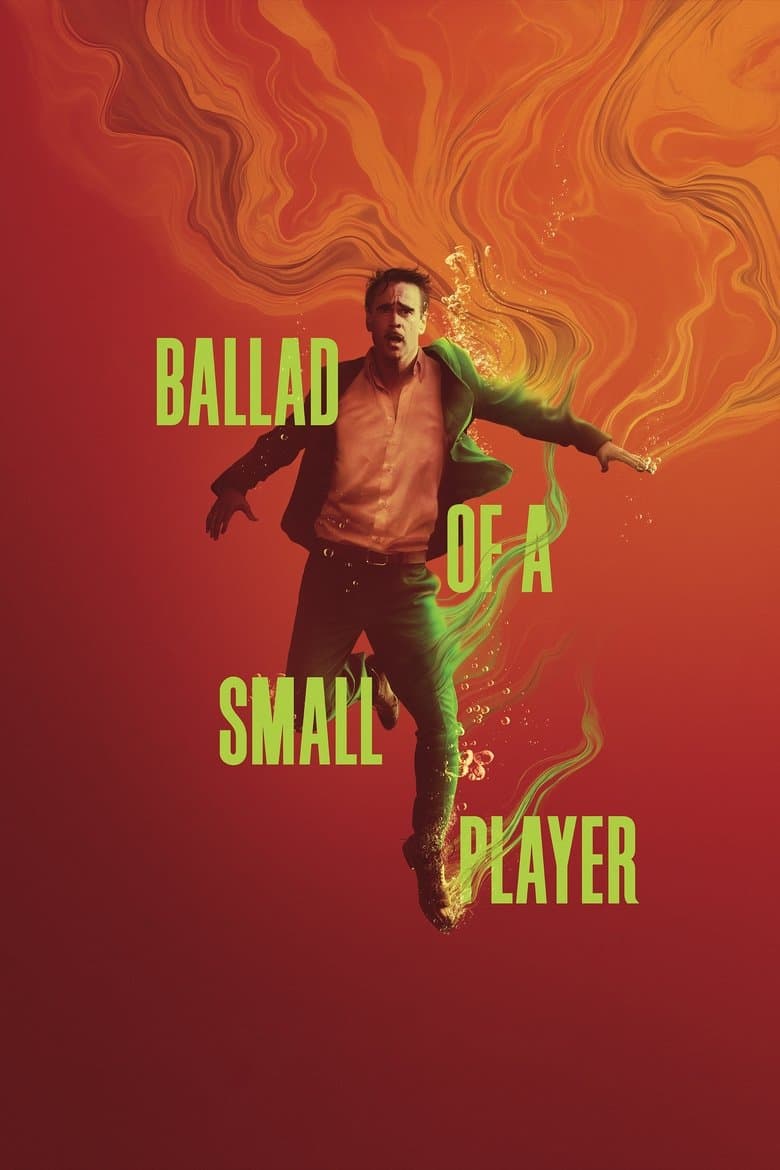
Movie · 2025
Amid the glittering casinos of Macau, a gambler running from his past—and his debts—becomes fascinated by an enigmatic woman at the baccarat table.
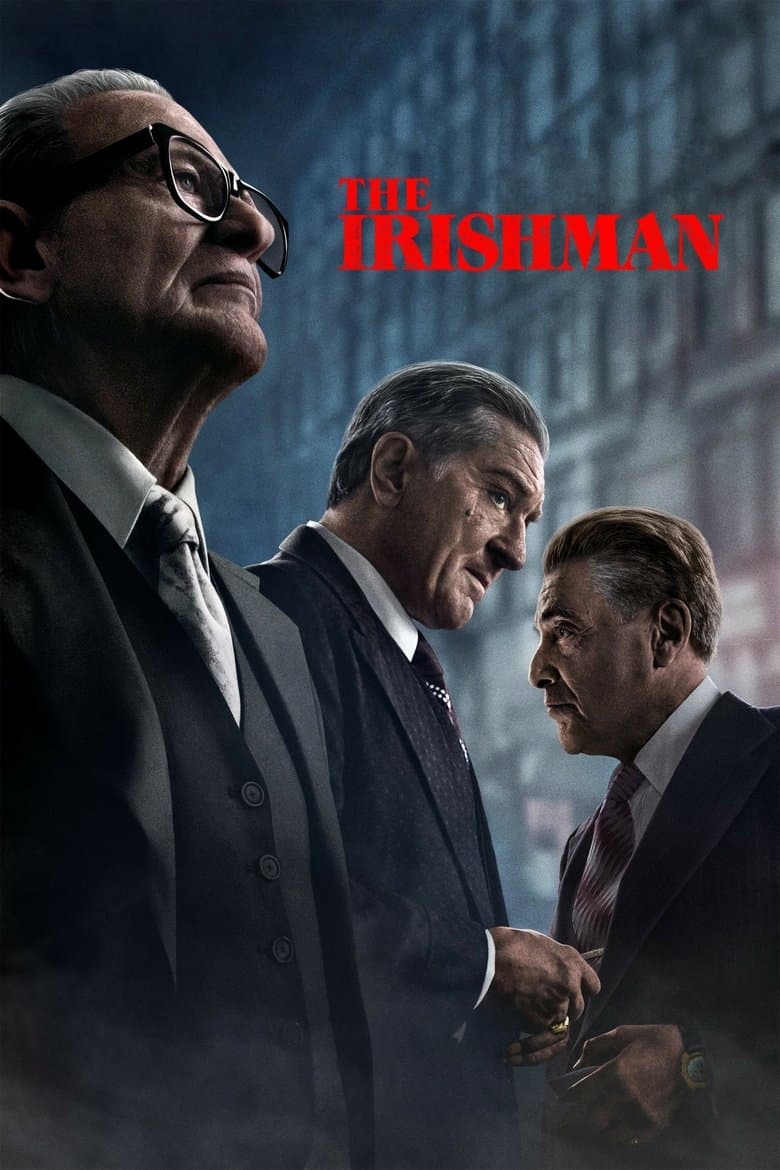
Movie · 2019
Pennsylvania, 1956. Frank Sheeran, a war veteran of Irish origin who works as a truck driver, accidentally meets mobster Russell Bufalino.
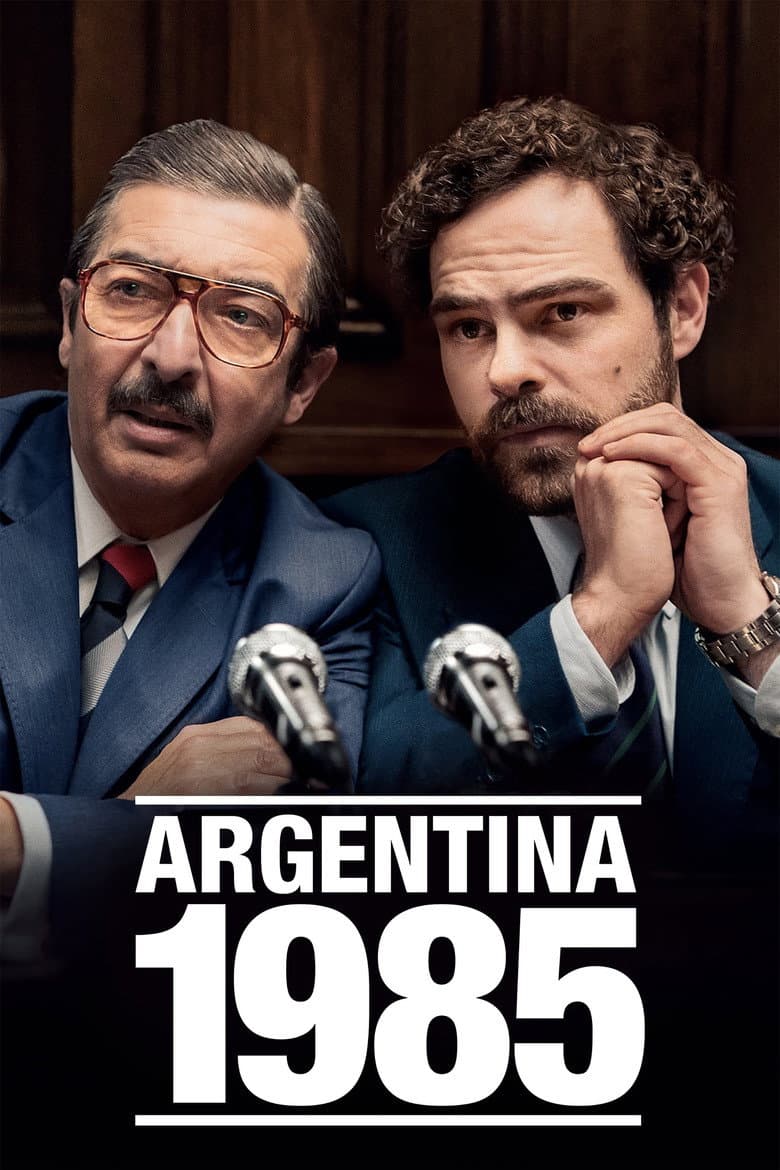
Movie · 2022
In the 1980s, a team of lawyers takes on the heads of Argentina's bloody military dictatorship in a battle against odds and a race against time.
