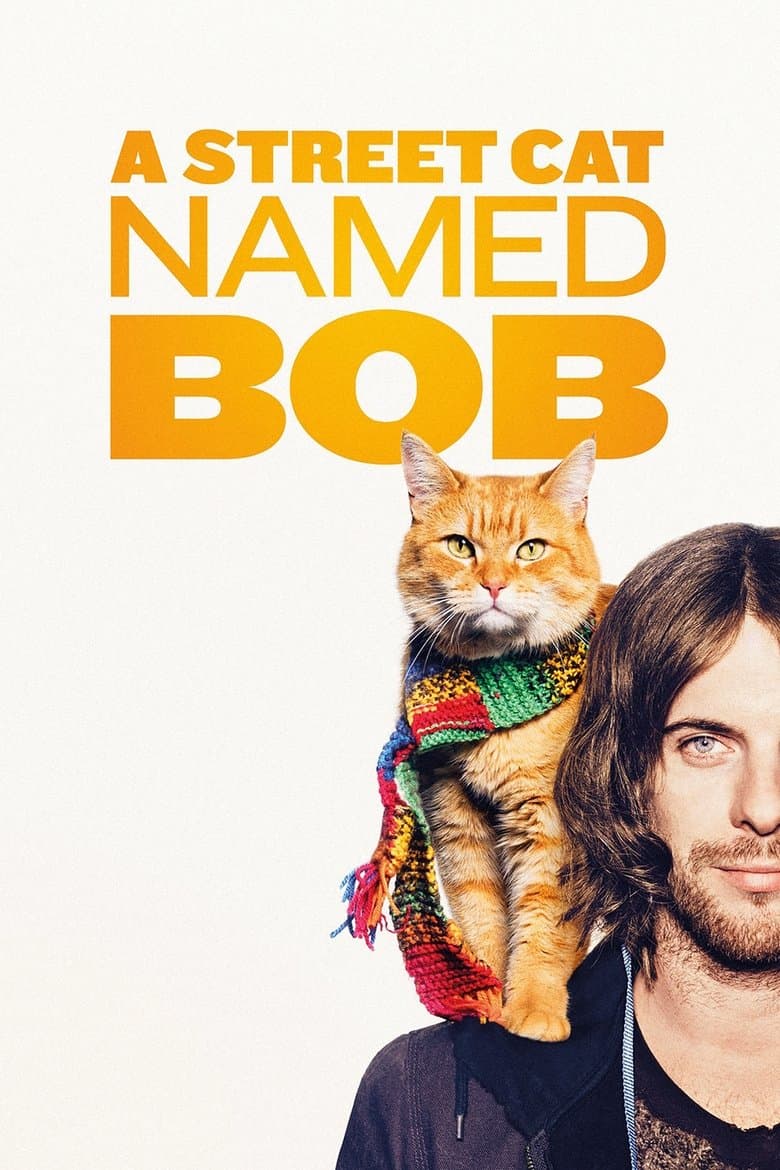
James Bowen is a young man living on the streets of London. He is trying to quit heroin and make a little money by playing music in public. One day an injured orange cat walks into his life, and James starts to care for him. He names the cat Bob, and looking after Bob gives James a reason to stay clean and keep working. The movie is warm and gentle and focuses on second chances, hard work, and the bond between a man and a cat.
The story stays on personal recovery and friendship. James gets help from a support worker, finds a place to live, and slowly rebuilds trust with his family. Bob becomes famous on the street and helps James sell magazines and later write a book. The main ideas are responsibility, kindness to animals, and starting over. Viewers see a simple true-story drama about hope, not a story built around modern identity politics.
Community feedback
Was our 2% Woke rating accurate?
Breakdown
These are the editorial factors and ratings behind our score for A Street Cat Named Bob.
Woke representation / casting
Not present. Casting faithfully reflects the real individuals and London setting from the source memoirs without audience-visible forced diversity, identity signaling, or mismatches.
0%
Woke political dialogue
Not present. No explicit political, activist, or ideological dialogue; all conversations address daily survival, addiction recovery steps, family matters, and practical pet care.
0%
Identity-driven story themes
Not present. Themes center on individual redemption through responsibility and interspecies companionship, with no race, gender, queer, or identity-politics arcs or messaging.
0%
Western institutional / cultural critique
Not present. Social support services and housing appear in a functional, helpful context enabling the protagonist's efforts, without modern activist framing of systemic oppression, patriarchy, toxic masculinity, anti-conservative norms, or cultural institutions.
0%
Woke character or canon changes
Not present in this title.
0%
Anti-woke backlash and complaints
Not present. No documented backlash or complaints accusing the film of woke, activist, identity-political, or left-wing content; all response centers on its inspirational true-story appeal.
0%
Creator track record context
Director Roger Spottiswoode has earlier progressive-issue TV work about the AIDS crisis and a gay hate-crime case. That past is mild and does not show up in this film’s story or marketing. The writers and producers have no clear activist or identity-politics record. This movie plays as a commercial feel-good biopic, not a follow-up to those earlier social dramas.
12%
Production

Movie · 2016
The incredible true story of the greatest walk-on in the history of college football.
Movie · 2024
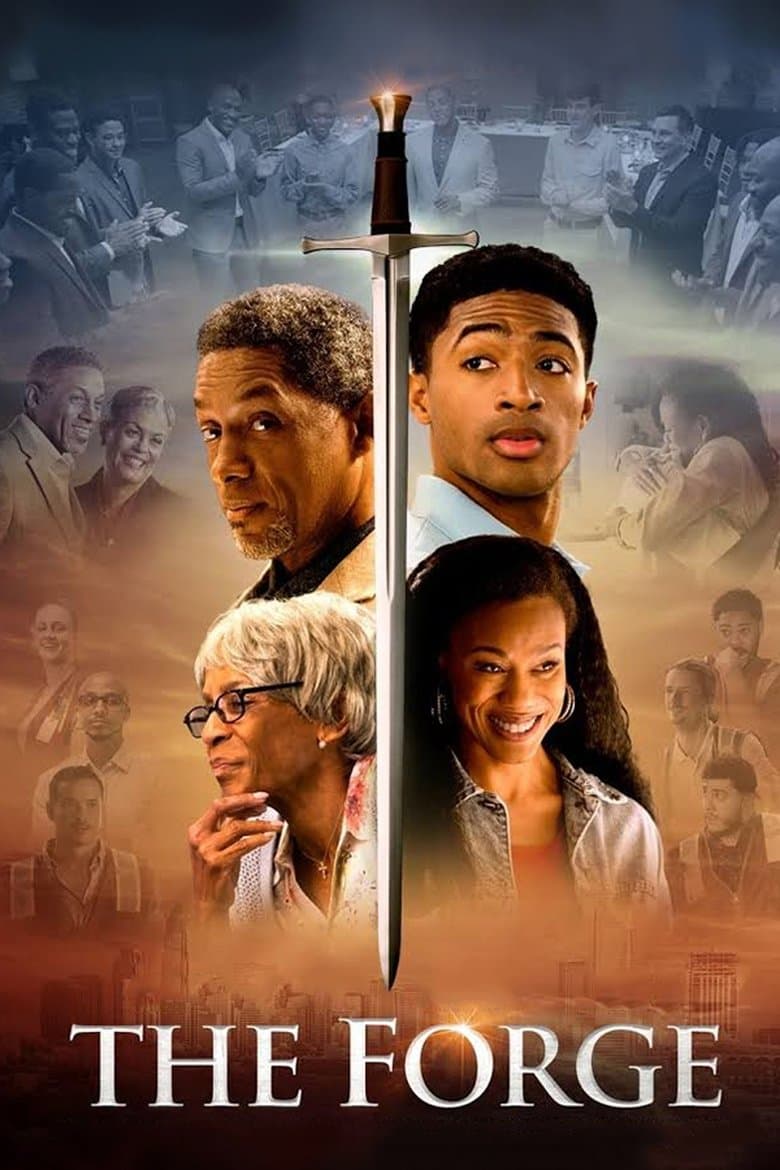
19 year old Isaiah Wright lives for basketball and video games. A year out of high school, he has no job, no plans, and no idea how to be a man.

Movie · 2017
The behind the scenes story of the life of A.A. Milne and the creation of the Winnie the Pooh stories inspired by his son Christopher Robin.
Movie · 2021
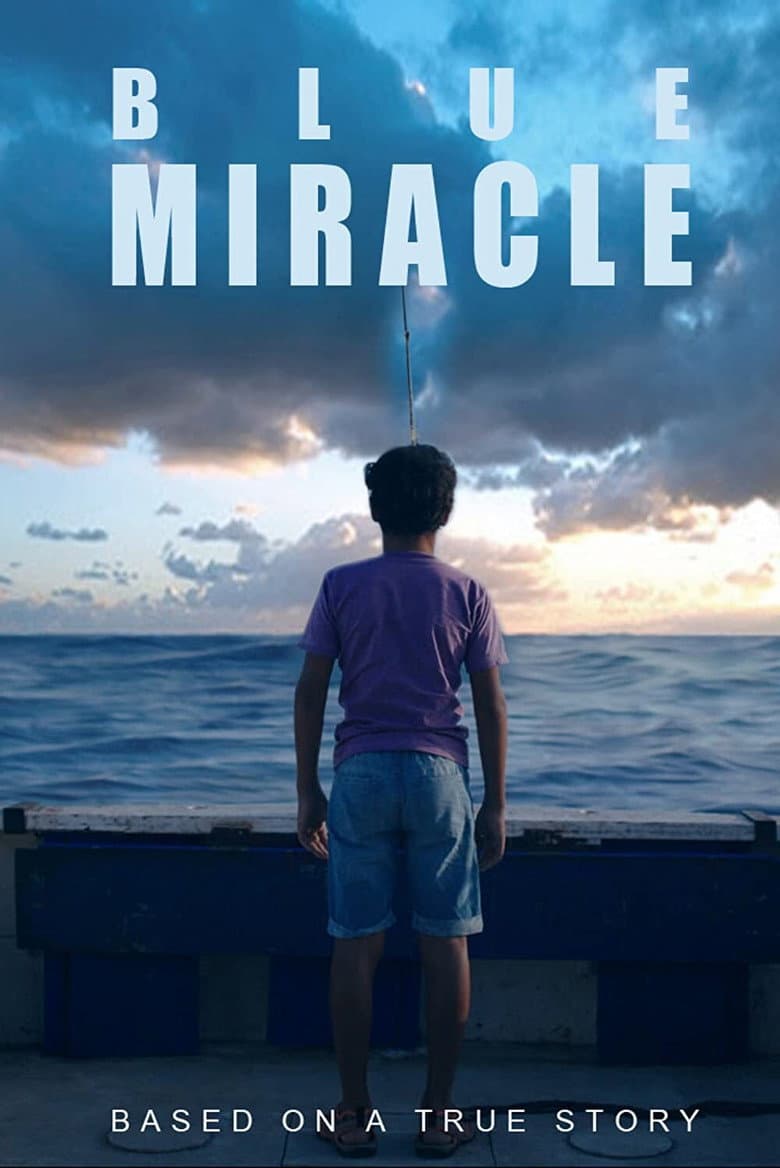
To save their cash-strapped orphanage, a guardian and his kids partner with a washed-up boat captain for a chance to win a lucrative fishing competition.

Movie · 2021
The true story of Kurt Warner, who went from a stockboy at a grocery store to a two-time NFL MVP, Super Bowl champion, and Hall of Fame quarterback.
Movie · 2024
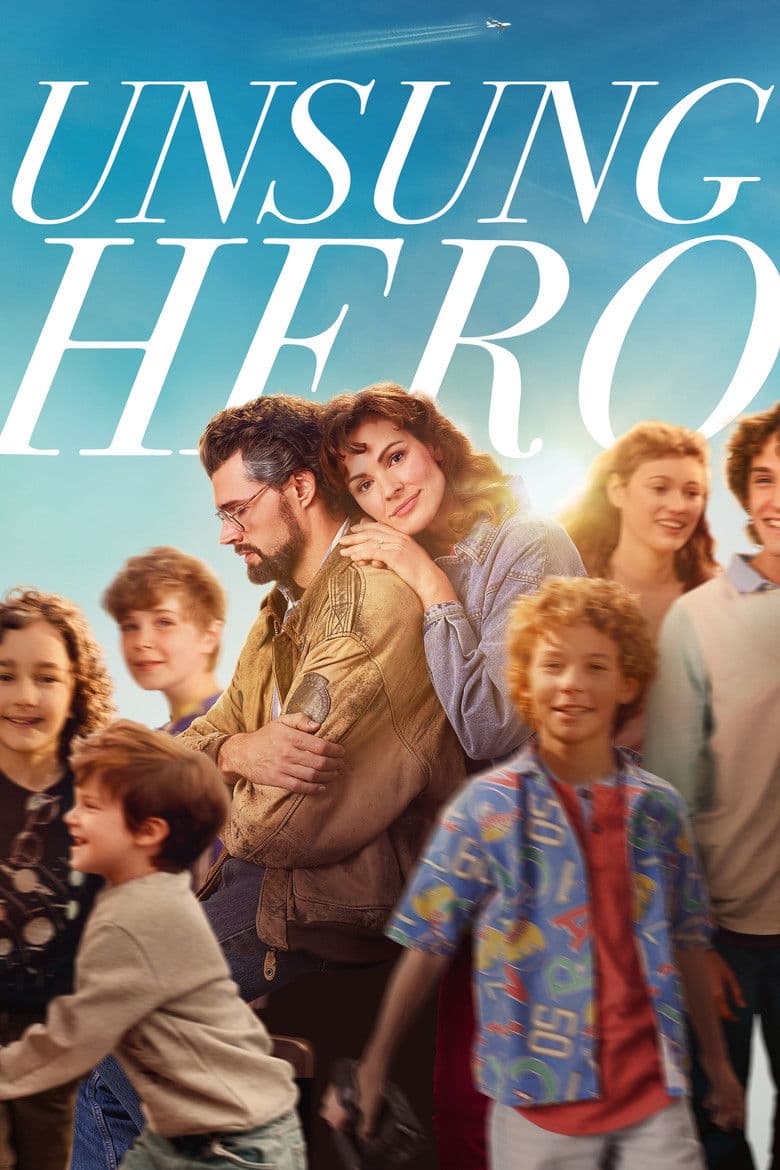
When David Smallbone's successful music company collapses, he moves his family from Australia to the United States in search of a brighter future.
Movie · 2020
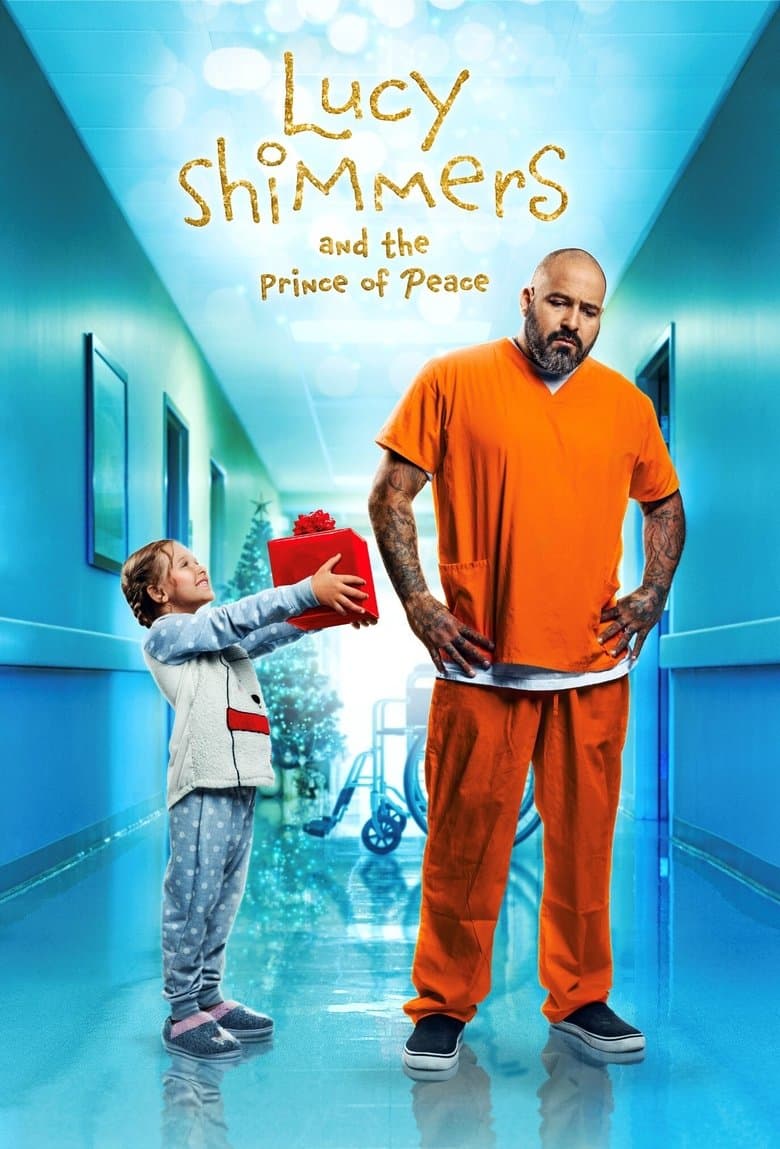
Second chances start when a hardened criminal crosses paths with a precocious little girl who is helped by an angel to change hearts during the holiday season.

Movie · 2017
The film follows a man with an unwanted gift for healing who meets a teenager with cancer who helps him to find himself.
