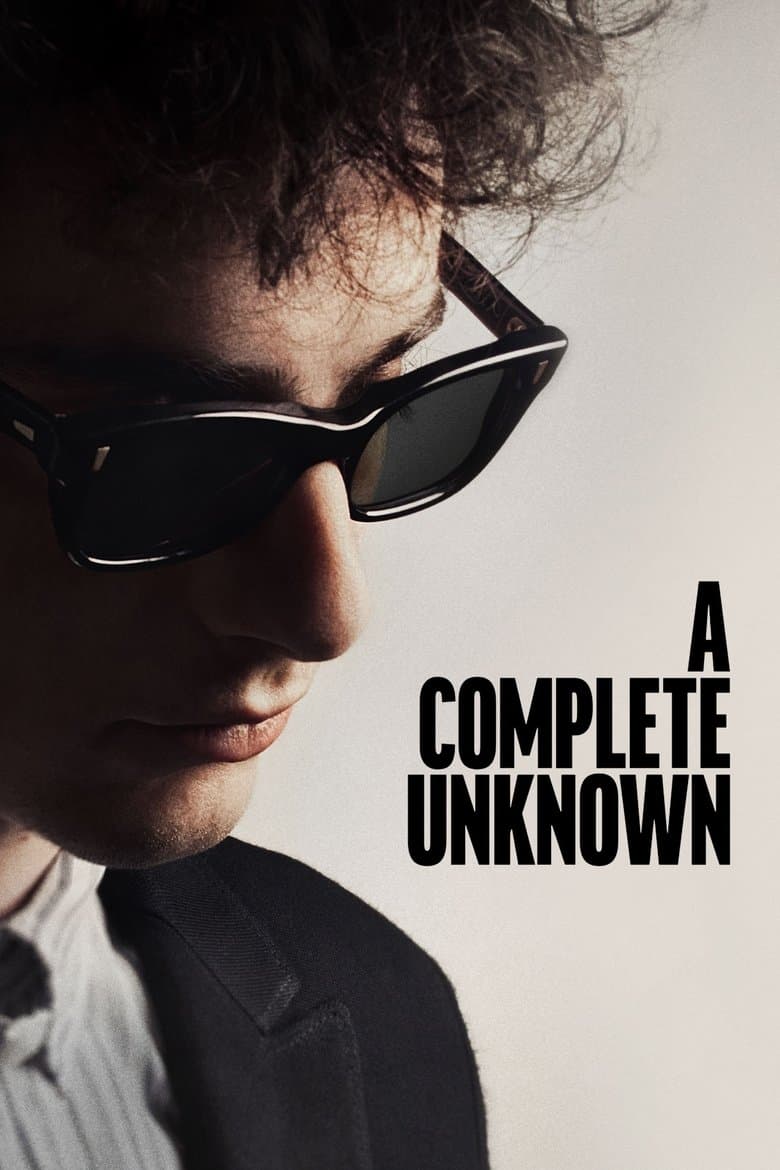
A Complete Unknown follows 19-year-old Bob Dylan after he leaves Minnesota for New York in 1961. He enters the Greenwich Village folk scene, meets Woody Guthrie, Pete Seeger, Joan Baez, and Sylvie Russo, and quickly draws attention with his songs. Dylan wants fame and freedom, but he also pushes away the people and music world that help him rise. The film ends with his loud electric set at the 1965 Newport Folk Festival, so its tone is musical, restless, and focused on a young artist who refuses to stay in one place.
The film includes clear period politics through civil rights rallies, Freedom Rides, anti-war talk, and protest songs such as “Blowin’ in the Wind” and “The Times They Are a-Changin’.” Sylvie works with CORE and pushes Dylan to notice the danger and conflict around them. Pete Seeger and other folk singers connect music with public causes, while Dylan later resists being treated as a protest singer. These ideas shape the setting and some relationships, but the main story stays about Dylan’s talent, changing identity, romances, and fight over folk tradition and electric rock.
Community feedback
Was our 19% Woke rating accurate?
Breakdown
These are the editorial factors and ratings behind our score for A Complete Unknown.
Woke representation / casting
Not present. The film casts the known figures of the early 1960s folk scene, including Dylan, Baez, Seeger, Guthrie, and Toshi Seeger. The main cast follows the story’s real people and setting, with no clear diversity-first casting pattern.
0%
Woke political dialogue
Sylvie tells Dylan that she volunteers with CORE and helps with Freedom Rides. Characters discuss segregation, nuclear danger, war, and the purpose of protest music. Dylan performs songs linked to civil rights and public protest, including “Blowin’ in the Wind” and “The Times They Are a-Changin’.” The film treats these as events and beliefs from the early 1960s, not as modern activist speeches.
18%
Identity-driven story themes
The film shows Sylvie’s civil-rights work and places Dylan at a civil-rights rally. The story links some folk music to public causes and social change. Dylan’s main struggle is still artistic freedom, fame, romance, and the choice between acoustic folk and electric rock.
14%
Western institutional / cultural critique
Not present. The film shows the folk establishment resisting Dylan’s electric music and commercial success. That conflict concerns artistic control and musical tradition, not modern activist criticism of Western institutions, capitalism, patriarchy, or family life.
0%
Woke character or canon changes
Not relevant. The movie renames Suze Rotolo as Sylvie Russo and compresses or rearranges real events for a dramatic story. Those changes do not appear to be made for identity or DEI messaging.
0%
Anti-woke backlash and complaints
A few small or anonymous online posts accused the movie of “woke-ifying” Dylan or claimed that a missing song was left out because of a woke agenda. Other small accounts praised it as a non-woke choice. Searches of X found no meaningful boycott, review-bombing, influencer pile-on, or sustained anti-woke campaign. The available complaints are fringe.
8%
Creator track record context
Elijah Wald has the highest available creator score at 70/100 and has publicly argued about racism, nationalism, militarism, capitalism, and migration. James Mangold and Timothée Chalamet have milder scores of 32 and 30, while Phedon Papamichael and most producers have low scores and no known activist record. Interviews focus on Dylan’s music, accuracy, and self-reinvention. The mixed creator background gives a mild context signal.
24%
Production
Movie · 2016
WWII American Army Medic Desmond T. Doss, who served during the Battle of Okinawa, refuses to kill people and becomes the first Conscientious Objector in American history to…
Movie · 2024
On the brink of the Second World War, a young Norwegian man's drive to resist the Nazis sets a new course for his future – and the future of his country.
Movie · 2023
The true story of the inseparable Von Erich brothers, who made history in the intensely competitive world of professional wrestling in the early 1980s.
Movie · 2019
American car designer Carroll Shelby and the British-born driver Ken Miles work together to battle corporate interference, the laws of physics, and their own personal demons to…
Movie · 2017
Members of the Granite Mountain Hotshots battle deadly wildfires to save an Arizona town.
Movie · 2019
Richard Jewell thinks quick, works fast, and saves hundreds, perhaps thousands, of lives after a domestic terrorist plants several pipe bombs and they explode during a concert…
Movie · 2016
After his older brother passes away, Lee Chandler is forced to return home to care for his 16-year-old nephew.
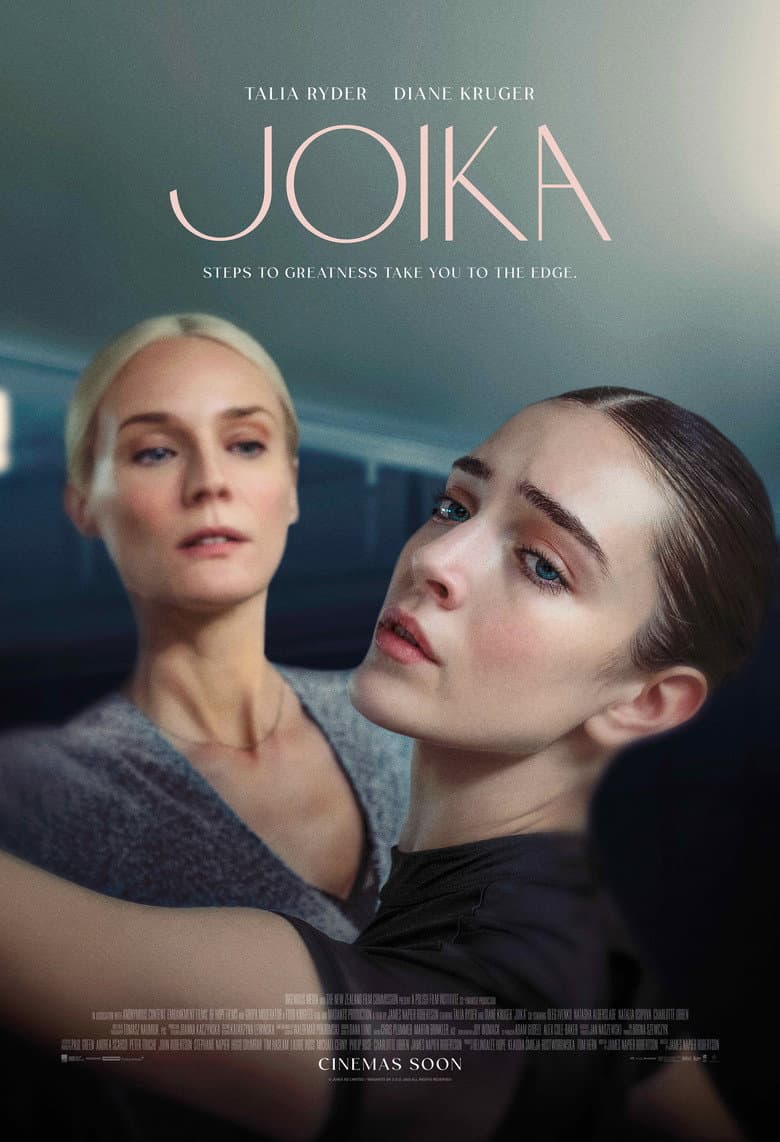
Movie · 2023
American ballet dancer Joy Womack is accepted into Moscow's infamously tough Bolshoi Ballet Academy, with the dream of becoming a great ballerina.
