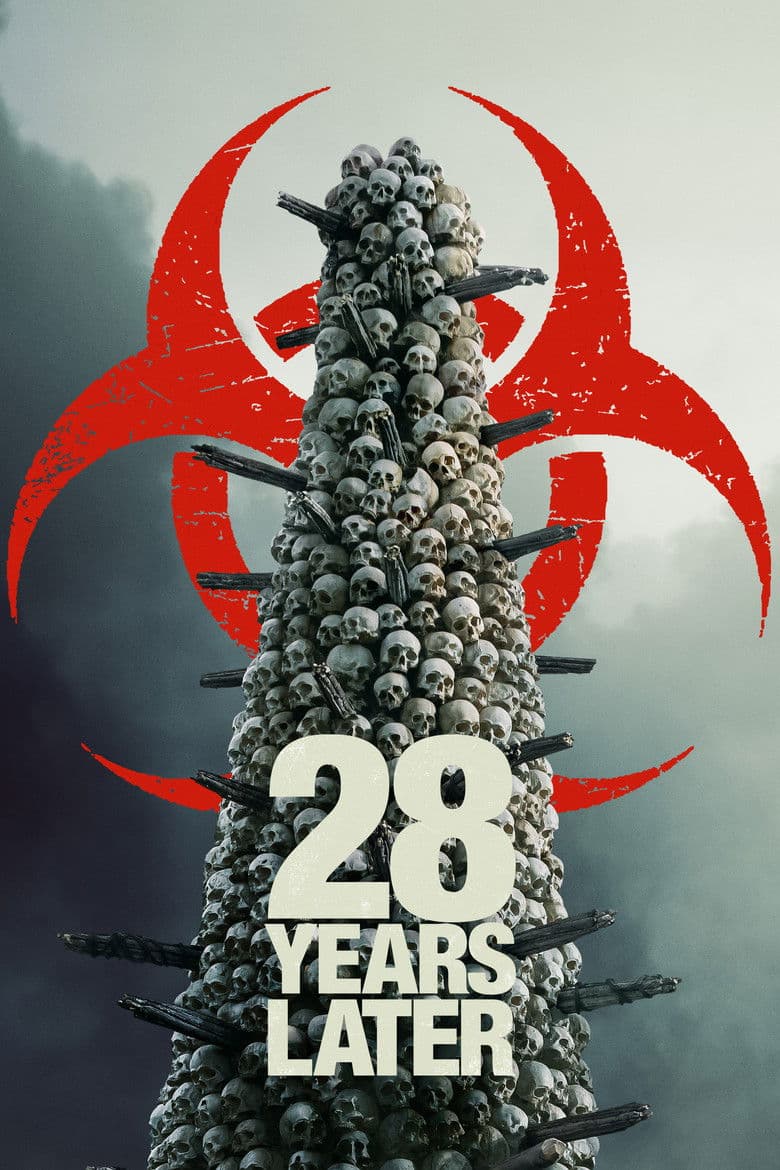
Twenty-eight years after the Rage virus outbreak, Britain is still locked down while Europe has recovered. On Lindisfarne, twelve-year-old Spike hunts with his father Jamie. Spike then defies him and takes his sick mother Isla to the mainland to find a doctor. They meet mutated infected, a Swedish NATO sailor, and Dr. Kelson at a bone temple. The story focuses on growing up, death, love, and life cut off from the outside world.
The film does not center race, queer identity, or diversity slogans. What audiences see most is a son caring for his mother and learning that his father is not a perfect hero. Flags, old war myths, and a closed Britain are widely read as comments on Brexit and nostalgic national pride. Jamie’s hard male authority is undercut when Spike chooses care for Isla over his father’s path. That cultural framing is the main political signal, not casting quotas or activist dialogue.
Community feedback
Was our 45% Woke rating accurate?
Breakdown
These are the editorial factors and ratings behind our score for 28 Years Later.
Woke representation / casting
The lead family and key figures are white British actors who fit a rural English survivor setting. Supporting diversity appears without being sold as a representation message. There is no first woman or minority hero package at the center of the story.
12%
Woke political dialogue
Most talk is about survival, family conflict, illness, and remembering death and love. It is not activist race, gender, or DEI speech. Politics show more in images and structure than in slogan-like lines.
18%
Identity-driven story themes
The main arc is mother-son care, a first kill, loss of faith in the father, and love and death. It is not a race or queer identity story. A soft gender beat undercuts hard male hunter roles when Spike chooses care, which some called toxic masculinity, but that stays secondary to horror and growing up.
26%
Western institutional / cultural critique
Quarantined Britain, national flags, royal imagery, and old war myths are widely read as Brexit isolation and nostalgic nationalism. The film frames looking backwards as a dark mirror on modern Britain. Jamie’s patriarchal authority is undercut as part of that critique.
50%
Woke character or canon changes
Not relevant. New protagonists, with no race or gender swap of Jim or other established franchise figures.
0%
Anti-woke backlash and complaints
Some right-leaning viewers call it liberal Brexit messaging. There is no big lasting fight over casting quotas or a queer agenda. Other anti-woke viewers say the film has zero wokery, so the backlash is real but thin.
20%
Creator track record context
Boyle leans left with comments on culture and British identity. Garland often uses political themes with ambiguity and anti-extremism framing. That matches this film’s cultural critique lean without a hard activist DEI record from the core team.
28%
Production
Movie · 2025
On the mysterious planet of Ash, Riya awakens to find her crew slaughtered. When a man named Brion arrives to rescue her, an ordeal of psychological and physical terror ensues…
Movie · 2022
For more than a decade, parents Andy and Vicky have been on the run, desperate to hide their daughter Charlie from a shadowy federal agency that wants to harness her unprecedented…
Movie · 2020
Two New Orleans paramedics' lives are ripped apart after encountering a series of horrific deaths linked to a designer drug with bizarre, otherworldly effects.
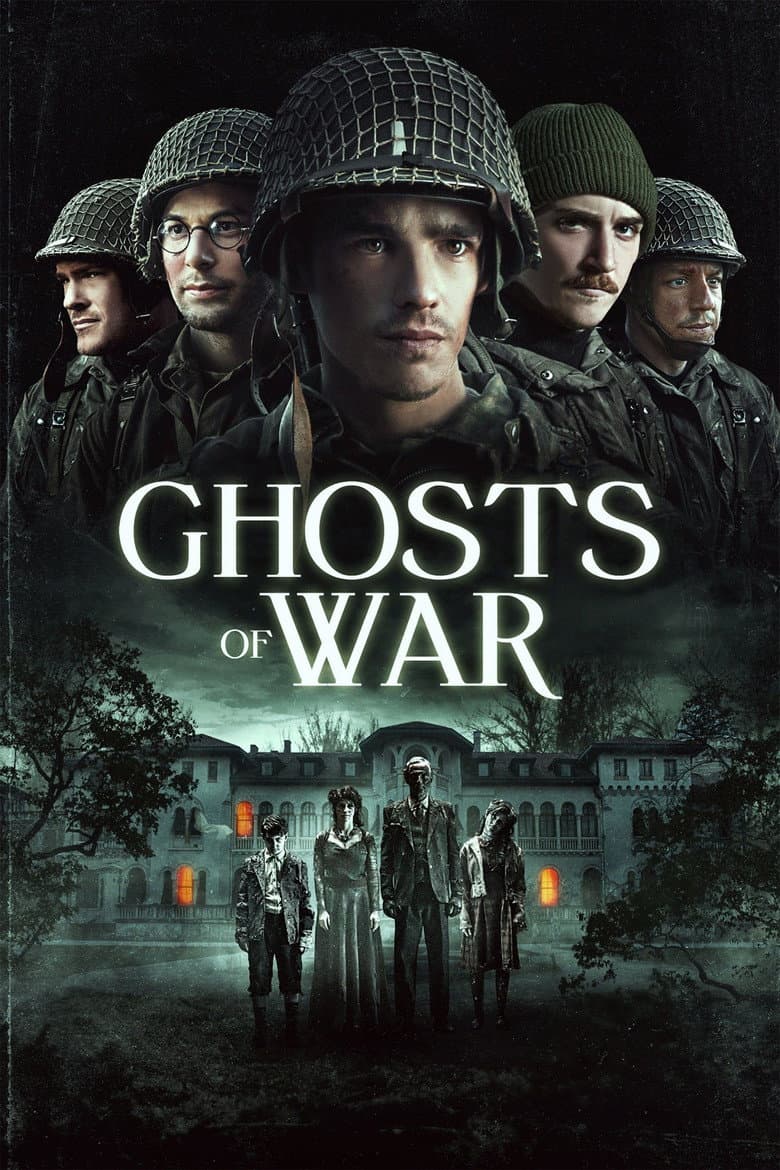
Movie · 2020
A group of World War II American soldiers encounter a supernatural enemy as they occupy a French castle previously under Nazi control.
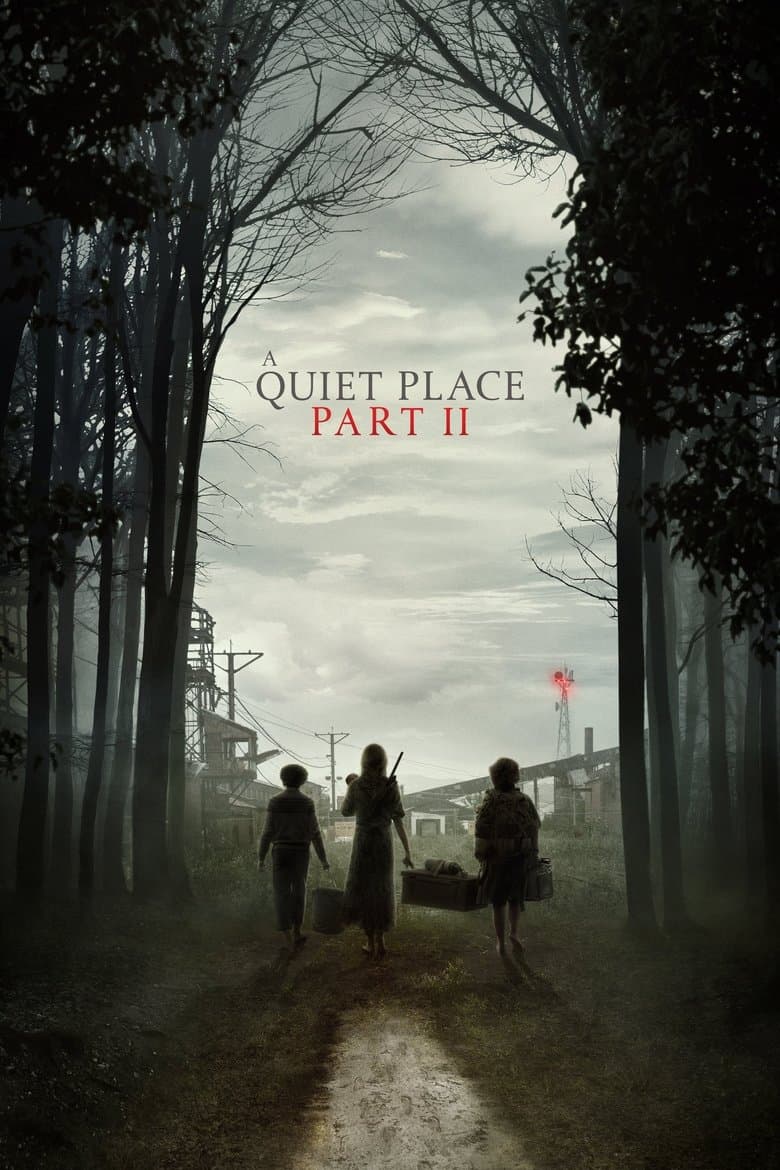
Movie · 2021
Following the events at home, the Abbott family now face the terrors of the outside world. Forced to venture into the unknown, they realize that the creatures that hunt by sound…
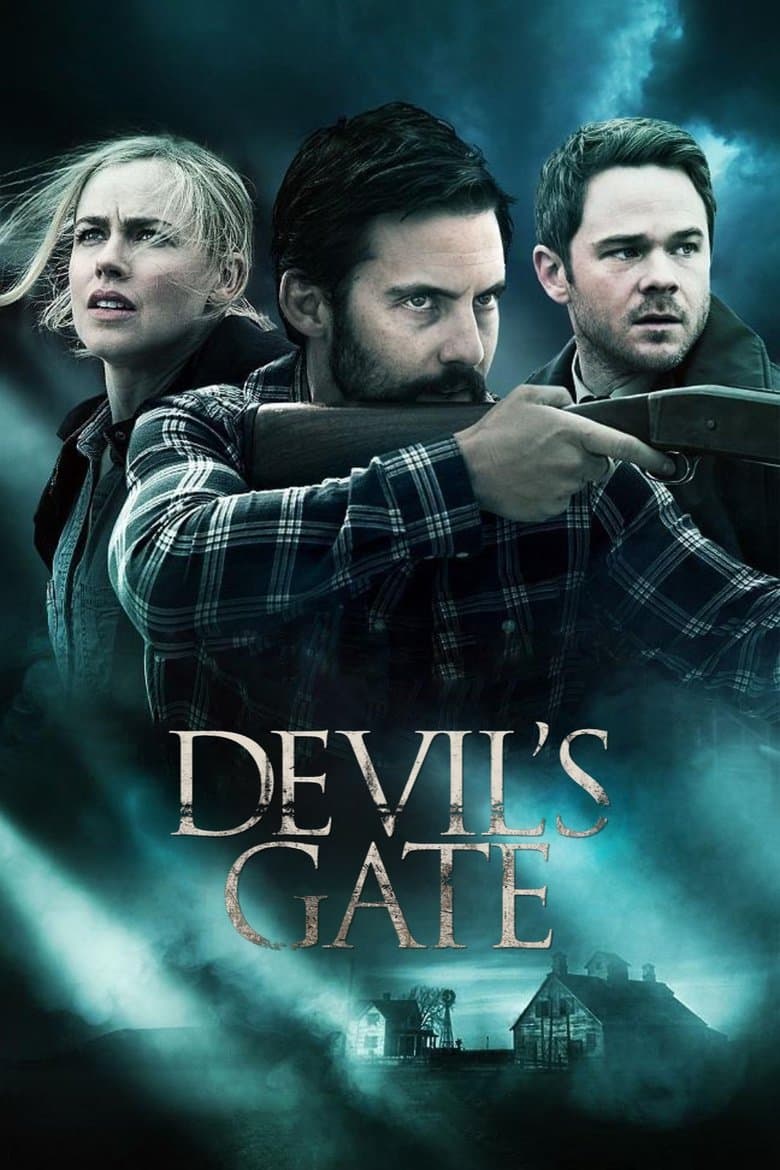
Movie · 2018
Set in the small town of Devil's Gate, North Dakota, the film examines the disappearance of a local woman and her young son.
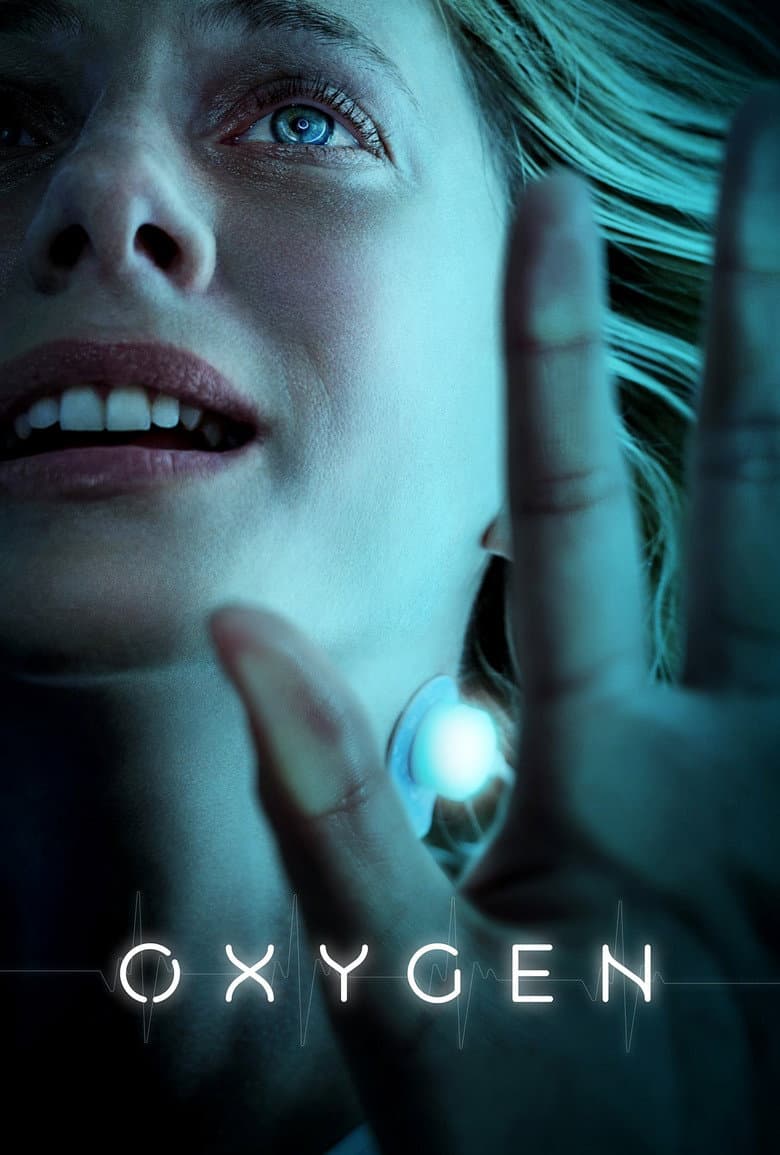
Movie · 2021
A woman wakes in a cryogenic chamber with no recollection of how she got there, and must find a way out before running out of air.
Movie · 2024
The infinite playground of forbidden worlds and dangerous lifeforms offered by the sci-fi horror genre will lead to the biggest, maddest, bloodiest V/H/S ever.
