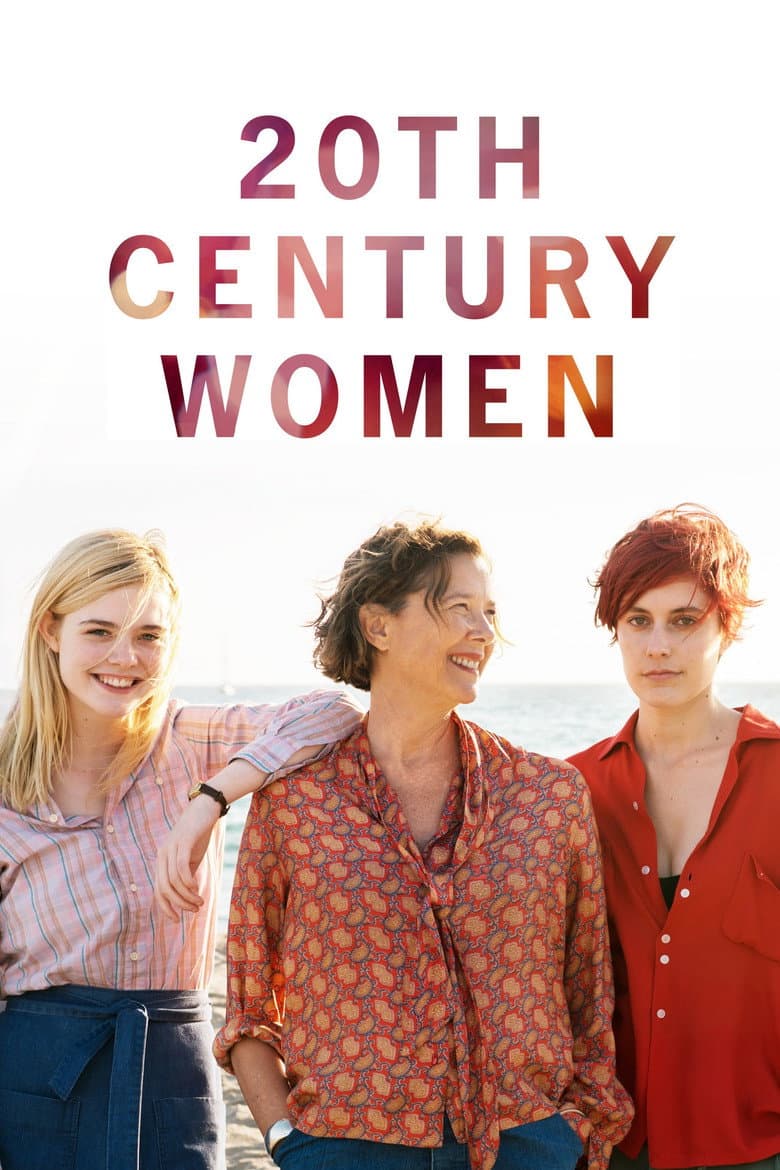
In 1979 Santa Barbara, Dorothea Fields raises her fifteen-year-old son Jamie while working and repairing their old house. She worries that Jamie is growing away from her and asks Abbie, a young punk photographer, and Julie, his teenage friend, to help guide him. Jamie learns about love, sex, music, friendship, and what it means to become an adult. The film uses warm humor, sad memories, and many small talks instead of a large action plot.
The film gives a large place to feminist ideas from the late 1970s. Abbie gives Jamie feminist books, and he reads about women’s sexuality, periods, and pleasure. The women challenge old ideas about marriage, motherhood, female aging, and how boys should treat girls. These ideas shape Jamie’s growth, but the film presents them through family arguments, jokes, and imperfect people rather than a modern political campaign.
Community feedback
Was our 45% Woke rating accurate?
Breakdown
These are the editorial factors and ratings behind our score for 20th Century Women.
Woke representation / casting
Not present. All-white cast matches the 1979 Santa Barbara middle-class world and characters exactly; no visible forced diversity or story mismatches.
0%
Woke political dialogue
The film has Abbie give Jamie books such as Sisterhood Is Powerful and Our Bodies, Ourselves. Jamie reads that men have shaped women’s sexuality and then talks about female pleasure with the boys. Dorothea calls the lessons “hardcore feminism” and worries that they are too much for a fifteen-year-old. The talks fit 1979 and mix jokes with family conflict, so the message is clear but not a speech-heavy campaign.
35%
Identity-driven story themes
The story puts Dorothea, Abbie, and Julie at the center of Jamie’s growth. The women talk about sex, periods, cancer, motherhood, aging, and the choices women make. The film treats their views as valuable and uses them to question older ideas about how a man should act. The story stays tied to 1979 and shows the women as unsure and flawed, so the theme feels personal as well as openly feminist.
55%
Western institutional / cultural critique
The film shows Dorothea as the only woman in her drafting room and shows male coworkers guessing about her sexuality. The film mocks boys who brag about sex but do not know how to please women. The story questions the idea that a mother alone must teach a boy how to become a man. These points are clear, but the film does not build a broad modern attack on capitalism, religion, or Western institutions.
30%
Woke character or canon changes
Not relevant. original story with personal inspiration but no changes to known figures or events.
0%
Anti-woke backlash and complaints
Not present in this title.
0%
Creator track record context
Mike Mills has a history of personal films about family, gender, and identity. He has spoken about feminism, patriarchy, and his role as a male ally when discussing this film. His work usually uses those ideas in personal character stories rather than activist campaigns. This pattern supports a mild score, not a dominant one.
20%
Production
Movie · 2026
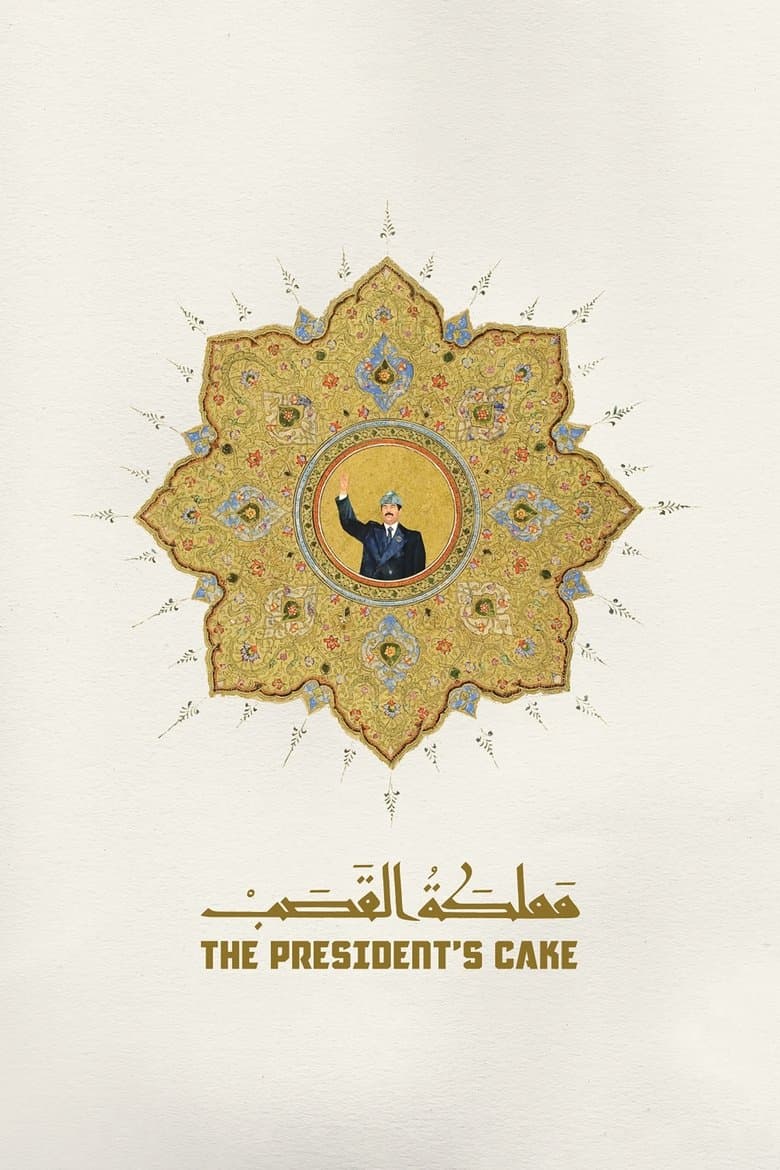
While people across 1990s Iraq struggle to survive the war and food shortages, Saddam Hussein requires each school in the country to prepare a cake to celebrate his birthday.
Movie · 2024
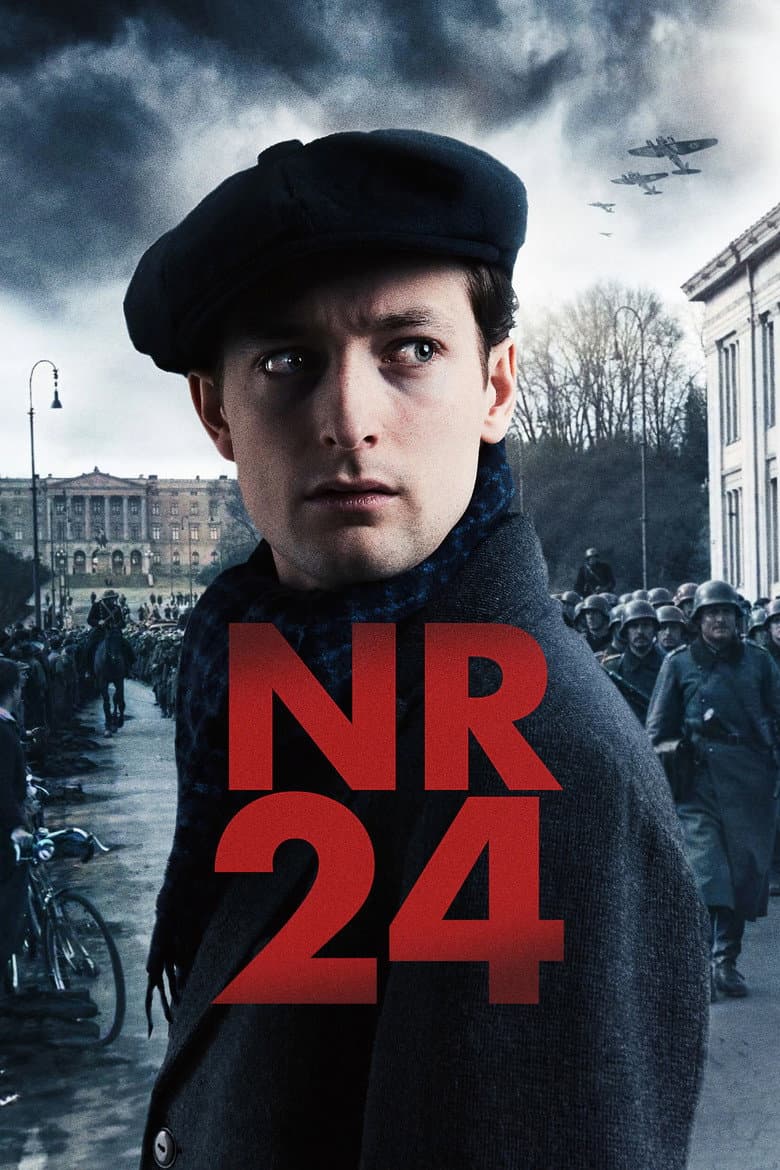
On the brink of the Second World War, a young Norwegian man's drive to resist the Nazis sets a new course for his future – and the future of his country.

Movie · 2023
The true story of the inseparable Von Erich brothers, who made history in the intensely competitive world of professional wrestling in the early 1980s.
Movie · 2019
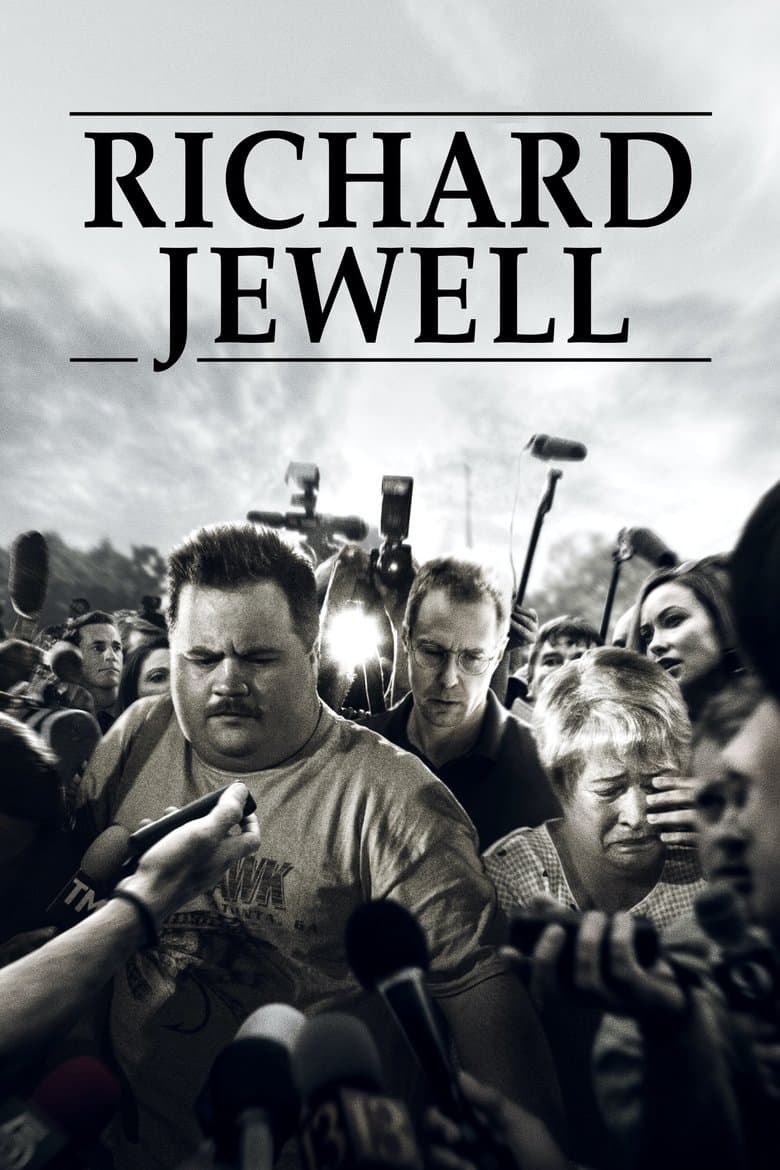
Richard Jewell thinks quick, works fast, and saves hundreds, perhaps thousands, of lives after a domestic terrorist plants several pipe bombs and they explode during a concert…
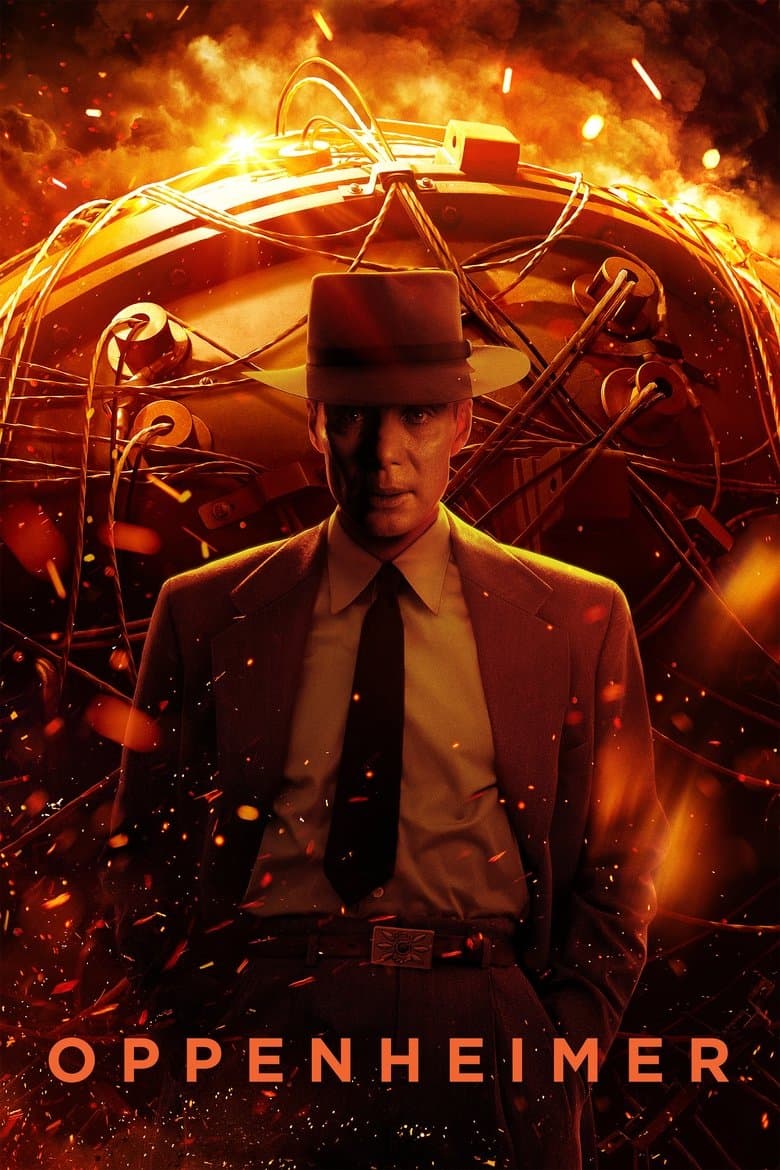
Movie · 2023
The story of J. Robert Oppenheimer's role in the development of the atomic bomb during World War II.
Movie · 2016
In a desolate war zone where screams of the innocent echo, on the very line between disaster and valor, 7 Maroon Berets will dance with death.
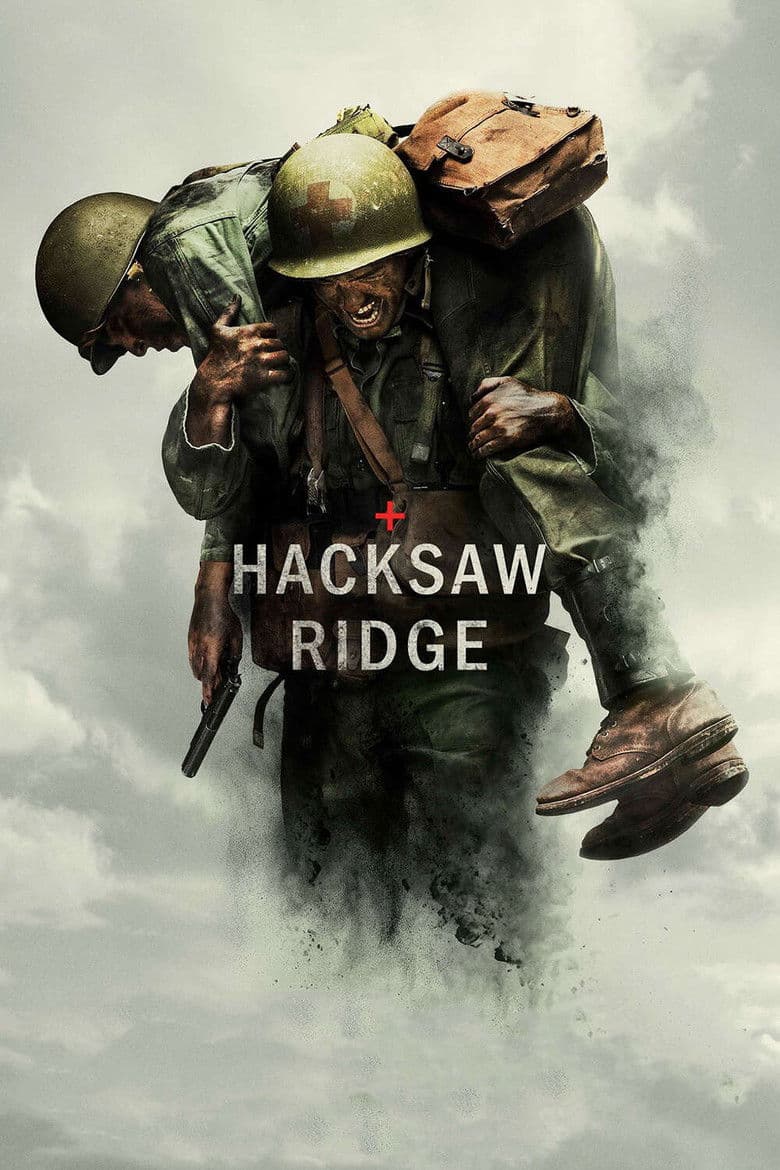
Movie · 2016
WWII American Army Medic Desmond T. Doss, who served during the Battle of Okinawa, refuses to kill people and becomes the first Conscientious Objector in American history to…

Movie · 2016
After his older brother passes away, Lee Chandler is forced to return home to care for his 16-year-old nephew.
