Movie review
October 7, 2016 · 100 min · R
Woke Score
Lower is better
Breakdown
These are the editorial factors and ratings behind our score for 13th.
Woke representation / casting
The film centers Black scholars, activists, and community voices in its interviews to explore racial inequality, which fits the topic without obvious forced mismatches.
Woke political dialogue
Long stretches feature experts arguing that politicians used race and fear to build a system of control through prisons and laws.
Identity-driven story themes
The whole story frames mass incarceration as a direct continuation of slavery and racial subjugation aimed at Black Americans.
Western institutional / cultural critique
It attacks the criminal justice system, prison corporations, and law-and-order politics as tools that maintain racial and economic unfairness today.
Review
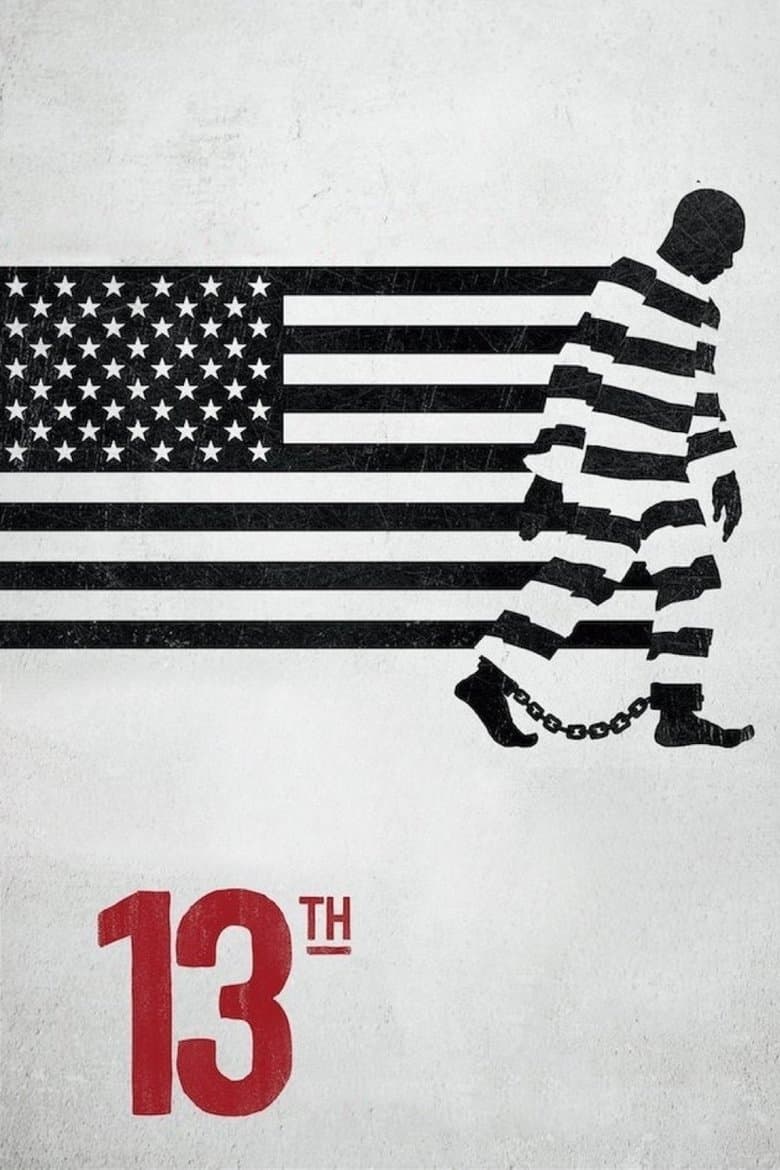
13th is a 2016 Netflix documentary directed by Ava DuVernay. It examines the U.S. prison system and argues that the 13th Amendment’s exception for criminal punishment turned mass incarceration into a new version of slavery that hits Black Americans hardest. The film connects slavery, Jim Crow, the war on drugs, and tough-on-crime laws to show ongoing racial control through prisons and the justice system. It uses interviews with activists and scholars to present systemic racism and the prison-industrial complex as central ideas. These themes sit at the heart of the story and stand out clearly to viewers.
Woke character or canon changes
Not relevant. The film reinterprets history and the Constitution but does not alter fictional canon or characters.
Anti-woke backlash and complaints
A handful of conservative reviews called it biased woke storytelling, though most coverage stayed positive and awards followed.
Creator track record context
Ava DuVernay’s prior films like Selma and When They See Us repeatedly focus on racial injustice and activism; other team members show far less of this pattern.
Production
